

Complete Guide to Search Engine Optimization Keywords
Getting your Shopify store noticed amidst the sea of online businesses is crucial for success. As an ecommerce brand owner, you’re constantly seeking opportunities to increase revenue and drive more conversions. One powerful avenue to achieve these goals is through the strategic use of Search Engine Optimization (SEO) keywords. By leveraging the right keywords, you can enhance your store’s visibility, attract qualified traffic, and ultimately boost your revenue.
ECommerce SEO
When it comes to running a successful ecommerce business on Shopify, SEO is a game-changer. It’s the process of optimizing your website to rank higher in search engine results pages, driving organic traffic and increasing your store’s visibility. With the right SEO strategy, you can reach potential customers precisely when they’re searching for the products you offer.
– Audit your current SEO performance to identify areas for improvement
– Conduct thorough keyword research to target the most relevant terms for your products
– Implement on-page and off-page optimization to enhance your website’s search visibility
SEO Audit
An SEO audit is the first step in identifying your store’s strengths and weaknesses in the realm of SEO. It involves a comprehensive analysis of your website to uncover opportunities for improvement. By conducting an SEO audit, you can gain valuable insights into your site’s performance and take actionable steps to enhance its SEO.
– Analyze your website’s technical SEO factors, including site speed, mobile responsiveness, and URL structure
– Evaluate your site’s content quality, keyword usage, and internal linking structure
– Assess your backlink profile and identify opportunities for link building
Keyword Research
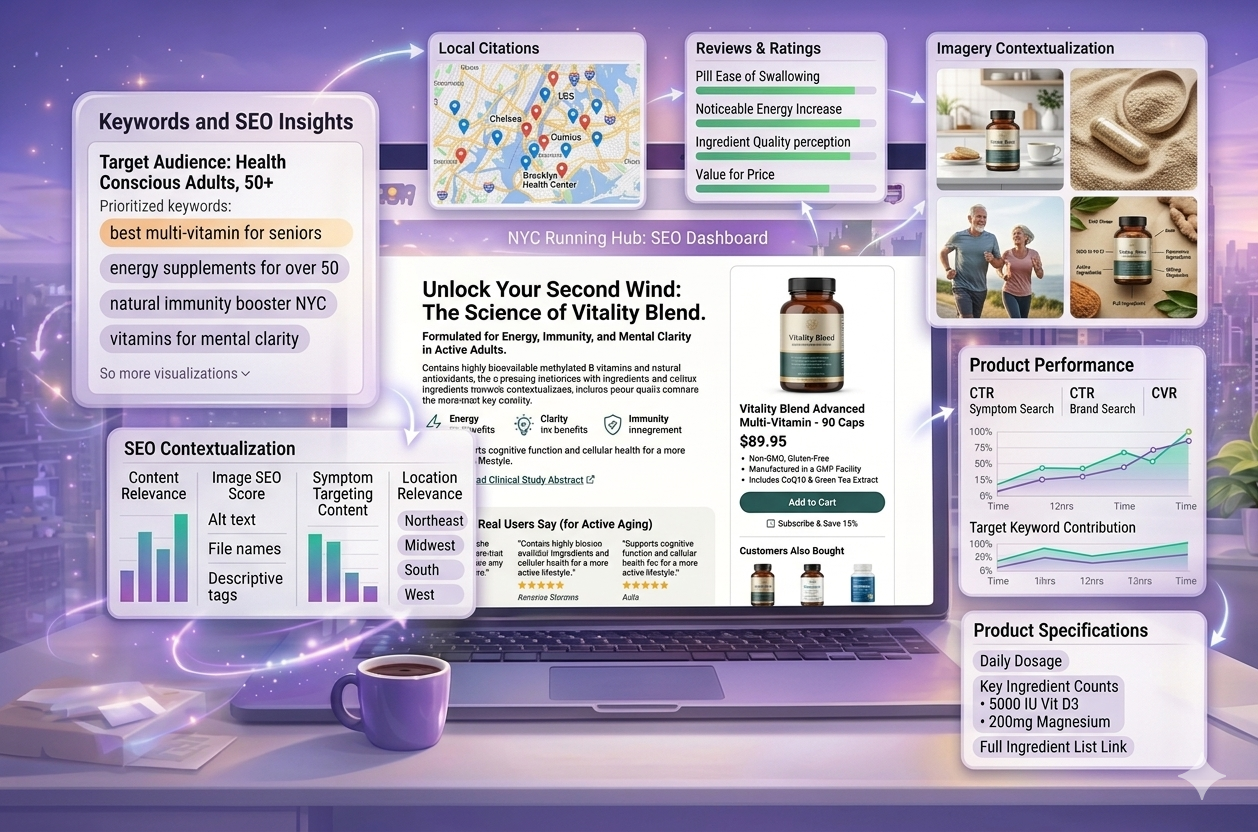
Keyword research is the cornerstone of any successful SEO strategy. It involves identifying the specific terms and phrases that potential customers are using to search for products like yours. By recognizing the language of your target audience, you can tailor your content and optimize your site to align with their search intent.
– Identify high-volume, low-competition keywords that are relevant to your products
– Explore long-tail keywords to capture highly targeted traffic
– Utilize keyword research tools to uncover valuable insights about search trends and user behavior
Local SEO
For many ecommerce brands, local SEO is a powerful tool for reaching nearby customers and driving foot traffic to physical stores. By optimizing your Shopify store for local search, you can connect with local shoppers who are actively seeking the products you offer in your area.
– Claim and optimize your Google My Business listing to enhance your local visibility
– Create location-specific landing pages to target customers in different geographic areas
– Encourage customer reviews and testimonials to build trust and credibility within your local community
Organic Growth
Achieving sustainable, long-term growth for your Shopify ecommerce business requires a focus on organic strategies. By steadily increasing your online visibility through SEO, you can attract a consistent flow of qualified traffic and build a loyal customer base over time.
– Develop a content marketing strategy that aligns with your target audience’s interests and needs
– Focus on building a strong social media presence to engage with potential customers and drive traffic to your site
– Leverage AI-powered tools to gain valuable insights into your audience’s behavior and preferences
Contextual Placement
Contextual placement of keywords involves strategically incorporating relevant terms into your website’s content in a natural and seamless manner. By placing keywords within the context of your content, you can signal to search engines the relevance and quality of your offerings, ultimately boosting your rankings.
– Integrate keywords into your product descriptions, category pages, and blog posts to align with user search intent
– Prioritize user experience and readability while incorporating keywords to maintain a natural flow of content
– Utilize semantic SEO to explore related topics and expand the contextual relevance of your content
Content Creation
Creating high-quality, relevant content is essential for driving organic traffic to your Shopify store. By developing engaging and informative content that resonates with your target audience, you can establish your brand as an authority in your niche and attract valuable inbound links.
– Develop a content calendar to plan and create a consistent stream of valuable content for your audience
– Incorporate a diverse range of content formats, including blog posts, videos, infographics, and product guides
– Optimize your content for user engagement and shareability to maximize its impact on SEO and audience reach
Citations
Citations are mentions of your business name, address, and phone number across the web. They play a crucial role in local SEO, helping search engines verify the legitimacy and relevance of your business within specific geographic areas.
– Ensure consistency in your business information across online directories, social platforms, and review sites
– Leverage local business directories and industry-specific platforms to build authoritative citations for your Shopify store
– Monitor and manage your citations to address any inaccuracies or outdated information that could impact your local search visibility
Brand Reputation
Your brand’s reputation and online presence directly impact your SEO performance and overall success in ecommerce. By cultivating a positive brand image and actively managing your online reputation, you can enhance your visibility, credibility, and trustworthiness in the eyes of both customers and search engines.
– Monitor and respond to customer reviews and feedback across various online platforms
– Showcase customer testimonials and success stories to build social proof and trust
– Engage in proactive reputation management strategies to address any negative feedback and maintain a positive brand image
Conclusion:
Incorporating a strategic approach to SEO keywords within your Shopify ecommerce strategy can yield significant benefits, from increased visibility and traffic to improved brand reputation and revenue growth. By leveraging the power of SEO, you can position your brand for long-term success in the competitive ecommerce landscape.