

Complete Guide to Search Engine Marketing Statistics
In the fiercely competitive world of ecommerce, standing out from the crowd is essential for success. As an ecommerce brand owner, you’re constantly seeking opportunities to increase revenue and drive more conversions. With the exponential growth of online shopping, leveraging the power of Search Engine Marketing (SEM) has become an indispensable strategy for ecommerce brands. This article delves into the vital statistics of SEM and its pivotal role in boosting your Shopify store’s visibility and revenue.
ECommerce SEO
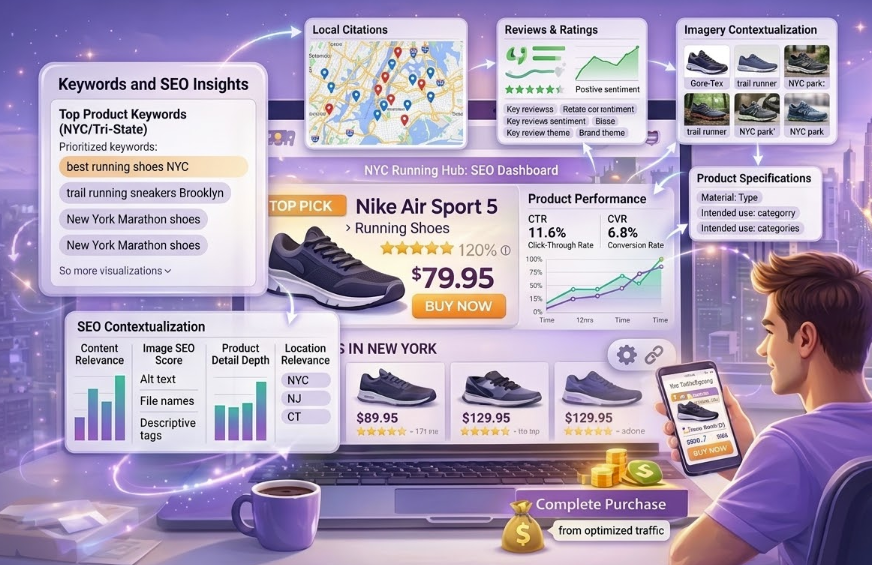
Enhancing your Shopify store’s visibility in search engine results is crucial for driving organic traffic and attracting potential customers. Here are some key SEM statistics related to eCommerce SEO:
– 93% of online experiences begin with a search engine, highlighting the importance of ranking high in search results.
– 75% of users never scroll past the first page of search results, underscoring the significance of securing a top position.
– Organic search drives 51% of all website traffic, demonstrating the potential impact of optimizing for search engines.
SEO Audit
Conducting a comprehensive SEO audit is essential for identifying areas of improvement and maximizing the effectiveness of your Shopify store’s SEM strategy. Consider the following SEM statistics relevant to SEO audit:
– 61% of marketers state that improving SEO and growing their organic presence is their top inbound marketing priority.
– 70-80% of users ignore paid ads and focus on organic search results, emphasizing the importance of a strong SEO foundation.
– Websites with a blog have 434% more indexed pages, indicating the correlation between content creation and search visibility.
Keyword Research
Effective keyword research forms the backbone of a successful SEM strategy, enabling you to target the right audience and drive relevant traffic to your Shopify store. Here are pertinent SEM statistics related to keyword research:
– 50% of search queries are four words or longer, emphasizing the need for long-tail keyword optimization.
– 71% of B2B researchers start their research with a generic search, highlighting the significance of broad keyword targeting.
– 82% of marketers report that the effectiveness of SEO is on the rise, showcasing the enduring value of keyword optimization.
Local SEO
For ecommerce brands with physical locations or targeting specific geographical areas, local SEO plays a crucial role in enhancing visibility and driving foot traffic. Consider these SEM statistics pertaining to local SEO:
– 46% of all Google searches are seeking local information, indicating the prevalence of local search intent.
– 72% of consumers who perform a local search visit a store within five miles, emphasizing the importance of local SEO for driving offline conversions.
– 88% of consumers trust online reviews as much as personal recommendations, underscoring the impact of local SEO on brand reputation.
Organic Growth
Achieving sustainable and scalable growth through organic search is a primary objective for ecommerce brands. Here are relevant SEM statistics related to organic growth:
– Organic search is responsible for 53% of all trackable website traffic, highlighting its dominant role in driving online visibility.
– 61% of marketers say improving SEO and growing organic presence is their top inbound marketing priority, demonstrating the enduring focus on organic growth.
– 70-80% of users ignore paid ads and focus on organic results, reaffirming the significance of organic visibility.
Contextual Placement
Strategically placing your content in relevant contexts across the digital landscape is essential for reaching and engaging your target audience. Consider these SEM statistics related to contextual placement:
– 76% of consumers have purchased a product they discovered in a brand’s social media post, showcasing the impact of contextual placement on purchase decisions.
– 71% of consumers are more likely to make a purchase based on social media referrals, demonstrating the potential of contextual placement in driving conversions.
– 60% of consumers expect consistent experiences across all online and offline channels, underscoring the importance of cohesive contextual placement.
Content Creation
Compelling and valuable content is integral to engaging your audience, building authority, and driving organic traffic to your Shopify store. Here are pertinent SEM statistics related to content creation:
– Content marketing gets three times more leads than paid search advertising, highlighting the effectiveness of content in driving conversions.
– 72% of marketers say relevant content creation was the most effective SEO tactic, emphasizing the impact of quality content on search visibility.
– 47% of buyers viewed 3-5 pieces of content before engaging with a sales representative, indicating the role of content in nurturing leads.
Citations
Establishing consistent and accurate citations across online platforms is crucial for strengthening your Shopify store’s local and organic visibility. Consider these SEM statistics related to citations:
– 78% of location-based mobile searches result in an offline purchase, underscoring the impact of citations on driving foot traffic.
– 73% of consumers lose trust in a brand due to inaccurate local business listings, emphasizing the importance of maintaining correct citations.
– 68% of consumers left a review when asked, showcasing the potential of leveraging citations to encourage customer feedback and reviews.
Brand Reputation
Building and safeguarding your brand’s reputation is vital for earning trust, credibility, and customer loyalty. Here are relevant SEM statistics related to brand reputation:
– 90% of consumers read online reviews before visiting a business, emphasizing the influence of brand reputation on consumer decisions.
– 84% of people trust online reviews as much as personal recommendations, indicating the significant impact of brand reputation on purchase behavior.
– A one-star increase in a business’s Yelp rating leads to a 5-9% increase in revenue, highlighting the direct correlation between brand reputation and financial performance.
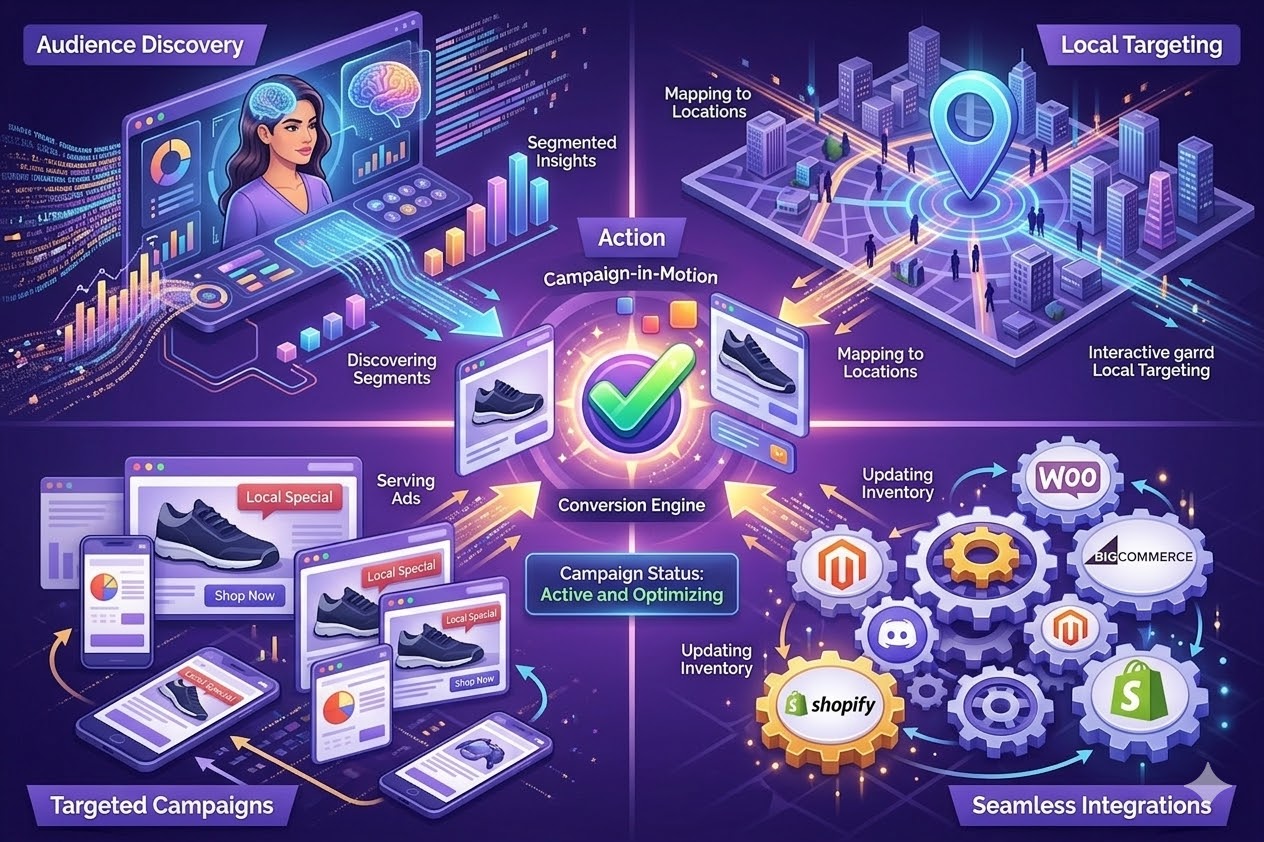
Harnessing the power of Search Engine Marketing is pivotal for increasing your Shopify store’s visibility, attracting qualified traffic, and driving more conversions efficiently. By leveraging AI-powered SEO, localized targeting, audience insights, and seamless integrations, you can amplify your brand’s online growth and capitalize on the immense potential of SEM.