

Complete Guide to How To Track SEO Results
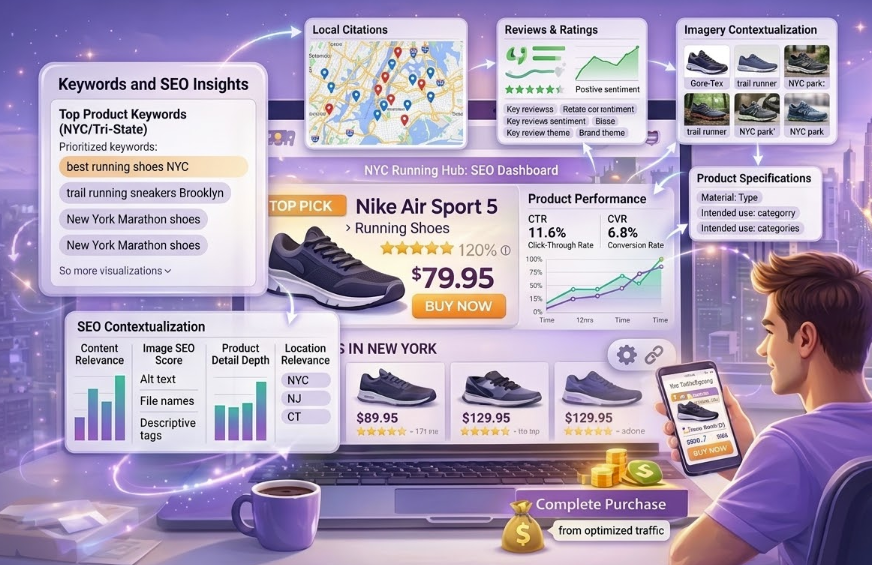
In the ever-competitive world of ecommerce, maximizing online visibility and driving organic traffic are essential for sustainable growth. Ensuring that your Shopify store is effectively optimized for search engines is a crucial aspect of achieving these goals. This comprehensive guide will delve into the intricacies of tracking SEO results for ecommerce brands using Shopify, providing valuable insights and strategies to enhance your online presence and drive revenue growth through organic means.
ECommerce SEO
Enhancing the search engine optimization (SEO) of your ecommerce website is fundamental to achieving sustainable online growth and maximizing revenue. With Shopify as your ecommerce platform, leveraging SEO best practices is essential for improving your website’s visibility and attracting qualified traffic.
SEO Audit
Conducting a thorough SEO audit of your Shopify store is the first step in tracking and improving your SEO performance. By identifying technical issues, on-page optimizations, and backlink profiles, you can gain valuable insights into areas that require attention and improvement.
Keyword Research
Effective keyword research is vital for realizing the search intent of your target audience and optimizing your Shopify store’s content accordingly. By identifying relevant keywords with high search volumes and low competition, you can strategically enhance your website’s visibility and attract quality traffic.
Local SEO
For ecommerce brands with physical store locations or those targeting specific geographic regions, optimizing for local SEO is paramount. Utilizing local keywords, creating location-specific landing pages, and managing business listings can significantly enhance your visibility in local search results.
Organic Growth
Tracking the organic growth of your Shopify store is essential for evaluating the effectiveness of your SEO efforts. Monitoring organic traffic, keyword rankings, and conversion rates provides valuable insights into the impact of your SEO strategies on revenue generation.
Contextual Placement
Strategic placement of keywords and relevant content within the context of your ecommerce website is crucial for signaling relevance to search engines and improving organic visibility. Contextual placement involves optimizing product descriptions, category pages, and blog content to align with targeted keywords and search intent.
Content Creation
Creating high-quality, engaging content that aligns with your target audience’s interests and search queries is pivotal for driving organic traffic to your Shopify store. By consistently producing valuable content, you can establish authority in your niche and attract organic traffic through search engine rankings.
Citations
Earning quality citations and backlinks from authoritative sources plays a significant role in enhancing your Shopify store’s SEO performance. Building relationships with industry-relevant websites and securing backlinks can strengthen your website’s authority and improve organic visibility.
Brand Reputation
Maintaining a positive brand reputation and online presence is integral to successful SEO performance for ecommerce brands. Managing customer reviews, engaging with your audience on social media, and addressing any negative sentiments can contribute to building a strong brand reputation that resonates with both consumers and search engines.
Tracking SEO Results: How To Do It
1. Utilize Google Analytics and Google Search Console to monitor organic traffic, user behavior, and keyword performance.
2. Implement advanced SEO tracking tools, such as Ahrefs or SEMrush, to monitor keyword rankings, backlink profiles, and competitive insights.
3. Regularly review and analyze your Shopify store’s performance data, including conversion rates, bounce rates, and page load times, to identify areas for improvement.
4. Set up custom dashboards and reports to track key SEO metrics and performance indicators specific to your ecommerce objectives.
5. Conduct A/B testing and experiment with different SEO strategies to identify the most effective approaches for driving organic growth.
6. Monitor and respond to algorithm updates and industry trends to adapt your SEO strategies proactively and capitalize on emerging opportunities.
The core message
Tracking SEO results for your Shopify ecommerce brand is an ongoing endeavor that requires diligent monitoring, strategic optimization, and adaptive approaches. By leveraging the insights and strategies outlined in this guide, you can enhance your online visibility, attract qualified traffic, and drive revenue growth through organic means, ultimately maximizing the potential of your ecommerce business.