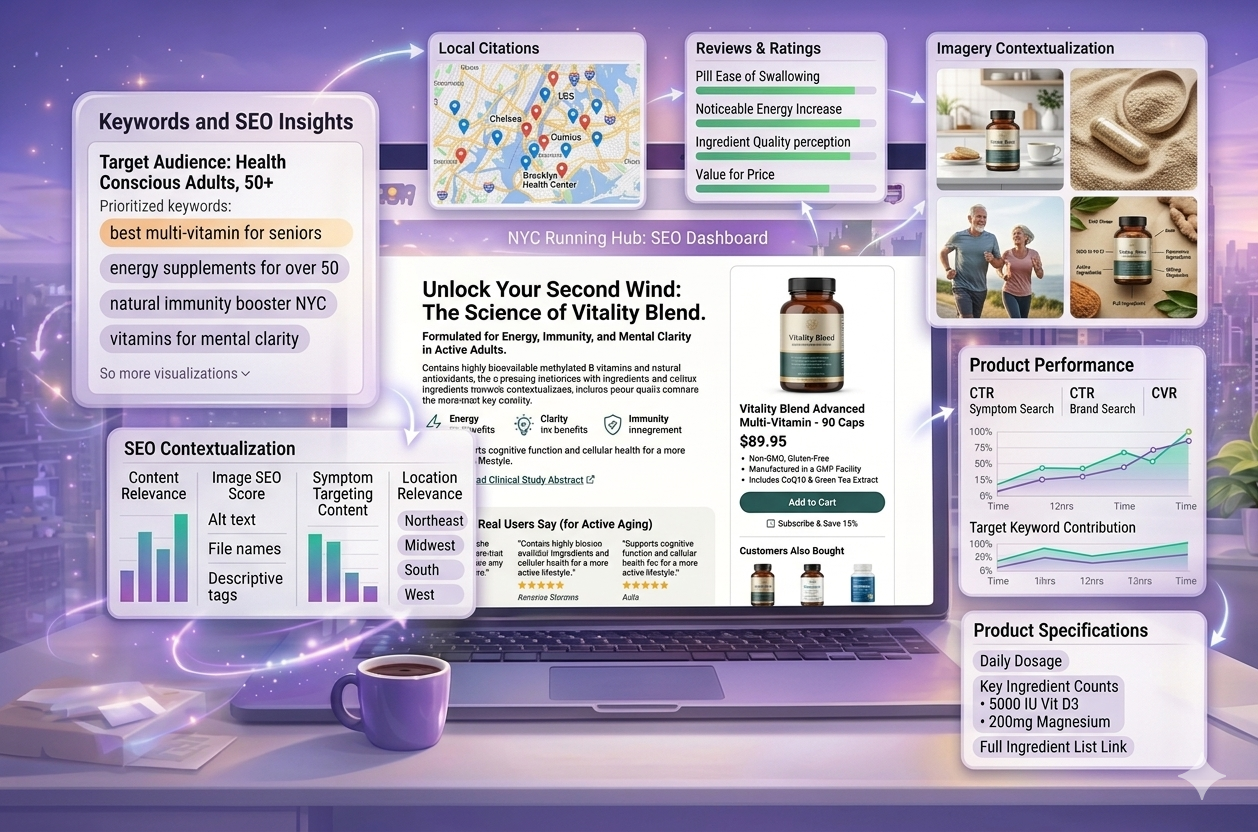


Complete Guide to How To Track SEO Progress
In the ever-competitive world of ecommerce, maximizing online visibility and organic growth is crucial for staying ahead of the game. With the right strategies in place, ecommerce brands can leverage the power of search engine optimization (SEO) to increase their online presence, attract qualified traffic, and ultimately drive more conversions. For brands utilizing the Shopify platform, tracking SEO progress is essential to ensure that their efforts are yielding the desired results and making a significant impact on their bottom line.
ECommerce SEO
Effective ecommerce SEO involves optimizing various elements of a website to improve its search engine rankings and visibility. This includes factors such as website structure, keyword optimization, content quality, and user experience. By implementing a robust SEO strategy, Shopify ecommerce brands can enhance their online presence and attract more potential customers.
SEO Audit
Conducting regular SEO audits is crucial for Shopify ecommerce brands to assess the performance of their website and identify areas for improvement. This involves analyzing various SEO metrics, such as site speed, mobile-friendliness, backlink profile, and overall website health. By conducting comprehensive SEO audits, brands can pinpoint issues that may be hindering their SEO progress and take corrective actions.
Keyword Research
Keyword research is a fundamental aspect of SEO that involves identifying the most relevant and high-value keywords for a brand’s niche. For Shopify ecommerce brands, conducting thorough keyword research helps in appreciating the search intent of their target audience and optimizing their website content accordingly. By targeting the right keywords, brands can improve their search engine rankings and attract qualified organic traffic.
Local SEO
Local SEO is essential for Shopify ecommerce brands with physical storefronts or those targeting specific geographic locations. Optimizing for local search involves creating local business listings, optimizing Google My Business profiles, and generating positive local reviews. By prioritizing local SEO efforts, ecommerce brands can improve their visibility in local search results and attract nearby potential customers.
Organic Growth
Tracking organic growth metrics, such as organic traffic, keyword rankings, and conversion rates, is vital for Shopify ecommerce brands. By monitoring these metrics, brands can gain insights into the effectiveness of their SEO efforts and make data-driven decisions to further optimize their online presence.
Contextual Placement
Contextual placement of keywords and content within the website is crucial for maximizing SEO impact. Shopify ecommerce brands should focus on creating high-quality, relevant content that naturally incorporates targeted keywords. By strategically placing content throughout the website, brands can enhance their SEO performance and provide valuable information to their audience.
Content Creation
Creating engaging and informative content is key to driving SEO success for Shopify ecommerce brands. This includes producing blog posts, product descriptions, guides, and other valuable content that resonates with the target audience. By consistently creating high-quality content, brands can establish themselves as authorities in their niche and improve their search engine rankings.
Citations
Building citations across relevant online directories and platforms is essential for boosting the online visibility of Shopify ecommerce brands. Citations help establish a brand’s authority and credibility in its industry, contributing to improved local search rankings and overall SEO performance.
Brand Reputation
Monitoring and managing brand reputation is integral to SEO success for Shopify ecommerce brands. Positive brand mentions, reviews, and social signals all contribute to a brand’s online reputation and can impact its search engine rankings. By actively managing brand reputation, ecommerce brands can strengthen their SEO efforts and build trust with their audience.
How To Track SEO Progress:
1. Utilize SEO Tools: Implement robust SEO tools and analytics platforms to monitor key metrics such as organic traffic, keyword rankings, backlink profile, and site health.
2. Set Clear Goals: Define specific and measurable SEO goals aligned with the overall business objectives to track progress effectively.
3. Regular Reporting: Generate regular reports to track the performance of SEO initiatives and identify areas for improvement.
4. Conversion Tracking: Monitor conversion rates and analyze how SEO efforts are contributing to driving meaningful business outcomes.
5. Competitive Analysis: Conduct regular competitive analysis to benchmark SEO performance against industry peers and identify opportunities for growth.
6. Website Health Monitoring: Continuously monitor website health metrics, such as site speed, mobile-friendliness, and crawl errors, to ensure optimal performance.
7. Adapt and Iterate: Use data-driven insights to adapt SEO strategies and iterate on tactics to continuously improve performance and drive organic growth.
The bottomline
By prioritizing SEO tracking and making data-driven decisions, Shopify ecommerce brands can effectively monitor their progress, optimize their online presence, and drive sustainable organic growth. Leveraging the power of AI-powered SEO and targeted strategies, ecommerce brands can position themselves for success in the competitive digital landscape.