

Complete Guide to Why Is My Website Traffic Dropping
If you’re an ecommerce brand using Shopify and noticing a decline in your website traffic, you’re not alone. The digital landscape is constantly evolving, and maintaining a steady flow of organic traffic to your online store can be challenging. Understanding the reasons behind a drop in website traffic is crucial to regaining momentum and driving revenue. In this comprehensive guide, we’ll delve into the intricacies of ecommerce SEO, SEO audit, keyword research, local SEO, organic growth, contextual placement, content creation, citations, and brand reputation to help you identify why your website traffic is dropping and how you can reverse the trend.
ECommerce SEO
Ecommerce SEO plays a pivotal role in driving targeted traffic to your online store. It involves optimizing your website’s content, product pages, and technical elements to rank higher in search engine results pages (SERPs) and attract potential customers. By implementing effective ecommerce SEO strategies, you can enhance your website’s visibility, increase organic traffic, and ultimately boost sales and revenue.
SEO Audit
Conducting a comprehensive SEO audit is essential for diagnosing issues that may be contributing to the decline in your website traffic. It involves evaluating various aspects of your website, including on-page SEO, off-page SEO, technical SEO, site structure, and user experience. By identifying areas for improvement through an SEO audit, you can develop a targeted action plan to address underlying issues and optimize your website for better performance.
Keyword Research
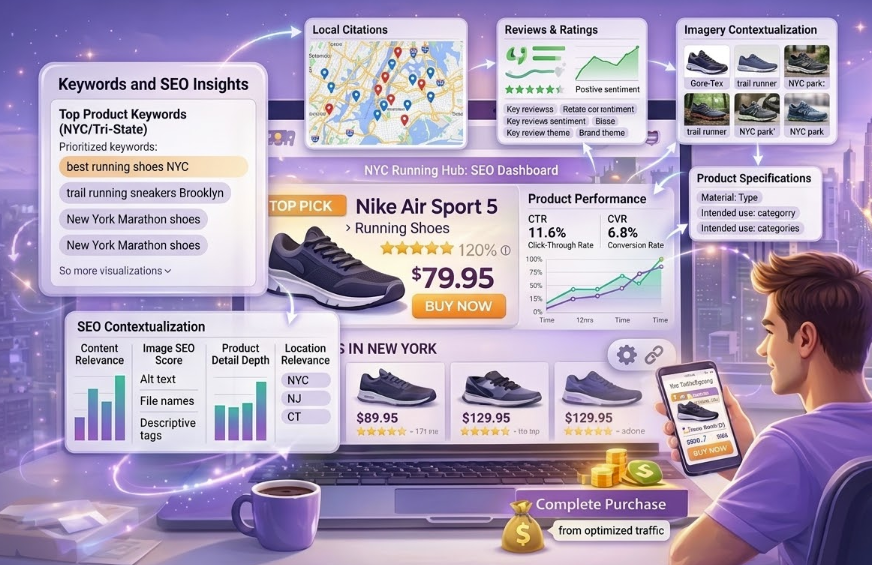
Effective keyword research is foundational to a successful SEO strategy. By identifying relevant search terms and phrases that your target audience is using, you can optimize your website’s content to align with their search intent. Understanding the search behavior of your potential customers allows you to create targeted content that resonates with their needs and preferences, driving qualified traffic to your ecommerce store.
Local SEO
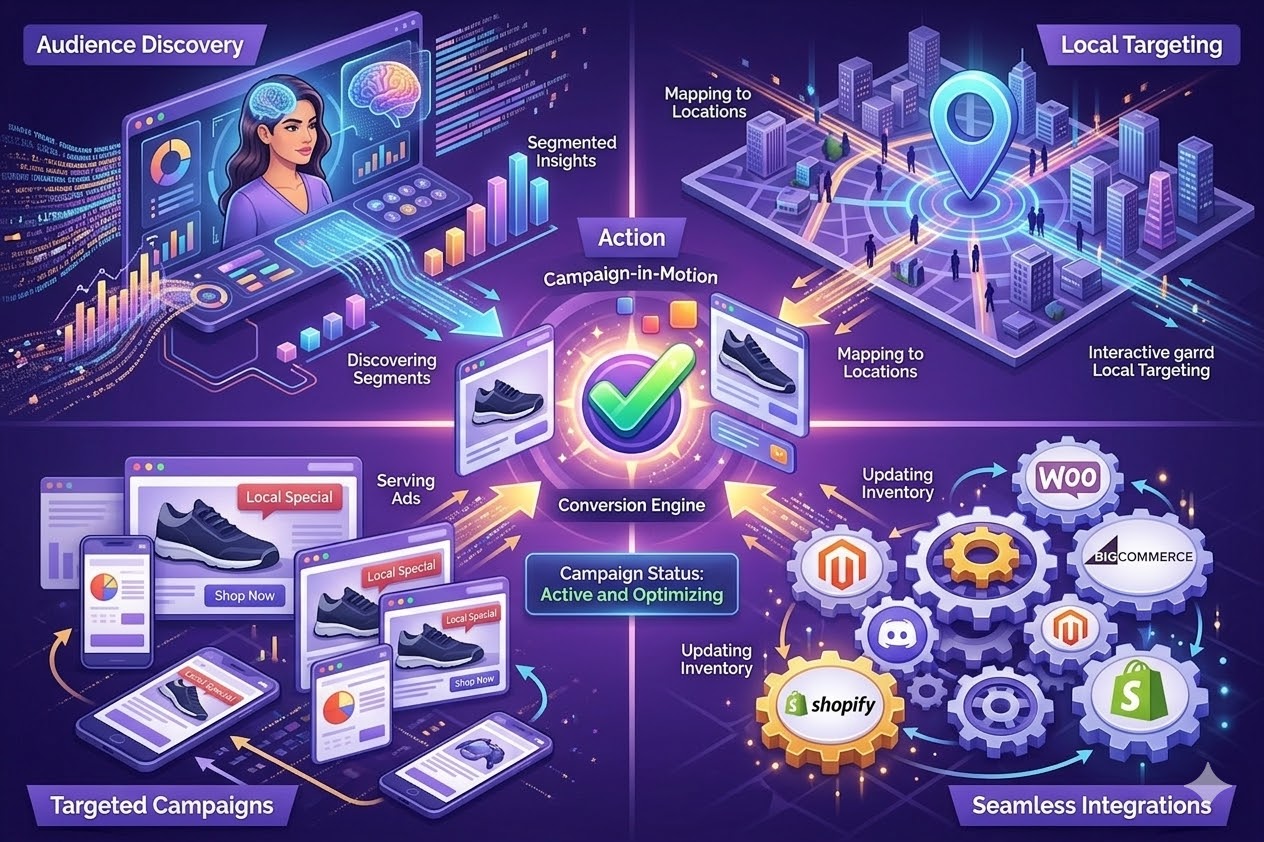
For ecommerce brands with physical locations or targeting specific geographic areas, local SEO is instrumental in driving foot traffic and online sales. Optimizing your website for local search involves incorporating location-based keywords, creating local business listings, and obtaining positive customer reviews. By leveraging local SEO strategies, you can enhance your visibility in local search results and attract nearby customers to your online store.
Organic Growth
Sustainable organic growth is the bedrock of a thriving ecommerce business. By focusing on organic traffic generation through strategic SEO initiatives, content marketing, and audience engagement, you can build a strong and loyal customer base. Emphasizing organic growth enables you to reduce dependency on paid advertising and create a sustainable revenue channel for your ecommerce brand.
Contextual Placement
Contextual placement of keywords and content across your website is vital for enhancing its relevance and authority in the eyes of search engines. By strategically integrating keywords into your product descriptions, blog posts, and landing pages, you can improve your website’s chances of ranking for relevant search queries. Contextual placement also involves creating a seamless user experience by delivering valuable and informative content to your audience.
Content Creation
Compelling and informative content is a cornerstone of successful ecommerce SEO. By consistently creating high-quality product descriptions, blog posts, how-to guides, and other valuable content, you can enrich the user experience, establish your brand as an industry authority, and drive organic traffic to your website. Well-crafted content that addresses the needs and interests of your target audience can significantly contribute to increasing website traffic and conversions.
Citations
Building accurate and consistent citations across online directories and platforms is crucial for local SEO and brand visibility. Citations, which include your business name, address, and phone number (P), signal to search engines the legitimacy and prominence of your ecommerce business. By ensuring that your citations are up to date and uniform across the web, you can bolster your website’s local search presence and attract more potential customers.
Brand Reputation
A positive brand reputation is essential for attracting and retaining customers. Online reviews, social media sentiment, and overall brand perception play a significant role in influencing consumer behavior. By actively managing and enhancing your brand’s reputation through exceptional customer service, proactive communication, and transparent business practices, you can build trust and credibility, ultimately driving more traffic and conversions to your ecommerce store.
Recognizing the intricacies of ecommerce SEO, including SEO audit, keyword research, local SEO, organic growth, contextual placement, content creation, citations, and brand reputation, is instrumental in identifying and addressing the factors contributing to a drop in website traffic. By leveraging these insights and implementing strategic initiatives, ecommerce brands using Shopify can reverse the trend of declining traffic, increase visibility, attract qualified traffic, and drive more conversions efficiently.