

Complete Guide to Why Doesn’T My Business Show Up On Google
It can be frustrating for businesses not to appear on Google despite having a Shopify storefront. This lack of visibility can hinder your brand’s growth potential and limit your ability to attract new customers. At [BrandThat](https://www.brandthat.com), we understand the importance of leveraging advanced SEO strategies to ensure that your ecommerce business is prominently featured on Google. In this comprehensive guide, we’ll explore the key reasons why your business might not be showing up on Google and how you can overcome these challenges using Shopify.
ECommerce SEO
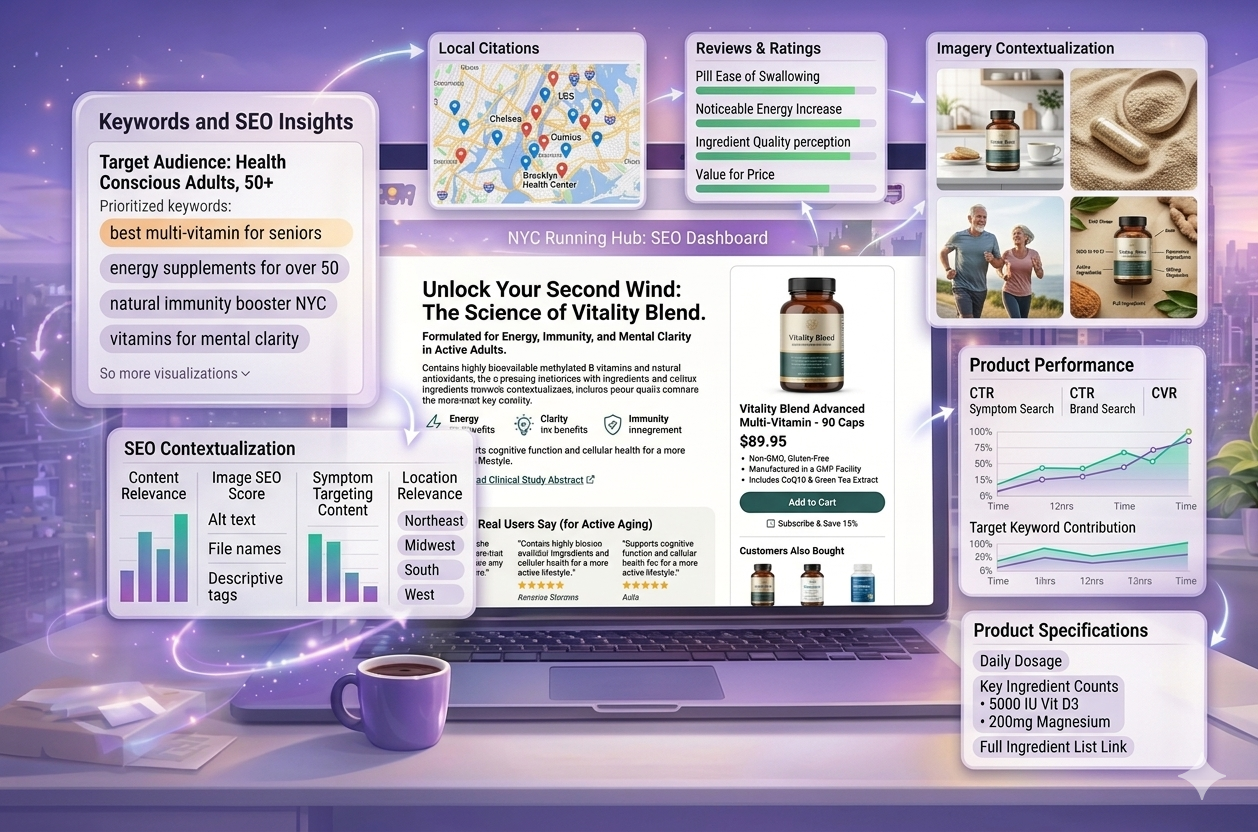
When it comes to ecommerce, search engine optimization (SEO) is a critical component of driving organic traffic and increasing visibility. However, many businesses struggle to optimize their Shopify websites effectively. Here’s why your business might not be showing up on Google:
– Inadequate keyword optimization: Failing to target relevant keywords and phrases can diminish your site’s visibility in search results.
– Poor site structure: A disorganized website structure can hinder search engine crawlers from effectively indexing your content.
– Lack of quality backlinks: Backlinks from authoritative and relevant sources are essential for building your site’s authority and improving its search rankings.
SEO Audit
Conducting a comprehensive SEO audit of your Shopify store is essential for identifying any technical issues that may be impeding your site’s performance on Google. Common issues that could be holding your business back include:
– Slow page loading speed: Google prioritizes fast-loading websites, and sluggish performance can negatively impact your search rankings.
– Mobile responsiveness: With the majority of online searches now taking place on mobile devices, it’s crucial that your Shopify store is fully optimized for mobile users.
– Duplicate content: Content duplication issues can harm your site’s credibility and hinder its ability to rank well in search results.
Keyword Research
Effective keyword research is the cornerstone of a successful SEO strategy for any ecommerce business. If your business isn’t showing up on Google, it may be due to deficiencies in your keyword research process, such as:
– Failure to target long-tail keywords: Long-tail keywords can help you attract highly targeted traffic and improve your chances of ranking for specific search queries.
– Ignoring local search terms: If you operate a brick-and-mortar store in addition to your online presence, local SEO keywords are crucial for attracting nearby customers.
Local SEO
For ecommerce businesses with physical locations, local SEO is essential for capturing local search traffic and driving foot traffic to your stores. If your business isn’t appearing in local search results, it may be due to:
– Inconsistent business information: Discrepancies in your business name, address, and phone number across online directories can confuse search engines and harm your local rankings.
– Lack of localized content: Creating location-specific content and optimizing your site for local search terms can significantly improve your visibility in local search results.
Organic Growth
Achieving sustainable organic growth for your ecommerce business requires a holistic approach to SEO and digital marketing. Here’s why your business may be struggling to grow organically on Google:
– Ineffective content strategy: Failing to produce high-quality, relevant content can hinder your site’s ability to attract and retain organic traffic.
– Limited audience targeting: Understanding and targeting your ideal audience is critical for driving organic growth and maximizing the impact of your SEO efforts.
Contextual Placement
Ensuring that your content is contextually placed and aligned with user search intent is crucial for improving your business’s visibility on Google. If your content isn’t resonating with your target audience, you may experience challenges such as:
– Poor click-through rates: Irrelevant or unappealing content can lead to low click-through rates, signaling to search engines that your content may not be valuable to users.
– High bounce rates: If visitors quickly leave your site after arriving, it suggests that your content is not meeting their needs, which can negatively impact your search rankings.
Content Creation
Creating compelling and informative content is a fundamental aspect of SEO for ecommerce businesses. If your content isn’t helping your business show up on Google, you may need to address issues such as:
– Lack of keyword-optimized content: Failing to incorporate relevant keywords into your content can hinder its discoverability in search results.
– Insufficient content depth: Thin or superficial content may struggle to compete with more comprehensive resources in search rankings.
Citations
Maintaining consistent and accurate citations across online platforms is crucial for building trust and credibility with both users and search engines. If your business isn’t showing up on Google, it could be due to:
– Incomplete or outdated citations: Inaccurate business information across various online directories can harm your site’s authority and visibility.
– Lack of industry-specific citations: Securing citations from industry-relevant sources can help establish your business as a credible authority in your niche.
Brand Reputation
Your brand’s reputation and online presence play a significant role in determining its visibility on Google. If your business is struggling to show up in search results, it may be due to:
– Negative reviews and feedback: Poor customer experiences and negative reviews can impact your brand’s reputation and diminish its prominence in search results.
– Lack of brand mentions: Building a strong online brand presence through consistent mentions and references can positively impact your search visibility.
Achieving visibility for your ecommerce business on Google requires a strategic and comprehensive approach to SEO, particularly when using Shopify as your ecommerce platform. By addressing the key factors that may be hindering your business’s visibility, you can position your brand for sustained growth and success in the competitive ecommerce landscape.