

Complete Guide to Website Not Showing Up In Google Search
Are you struggling to get your WooCommerce website to show up in Google search results? You’re not alone. Many ecommerce brands face the challenge of achieving visibility in a crowded online marketplace. With the right SEO strategies, however, you can improve your website’s ranking, attract more qualified traffic, and ultimately boost your revenue.
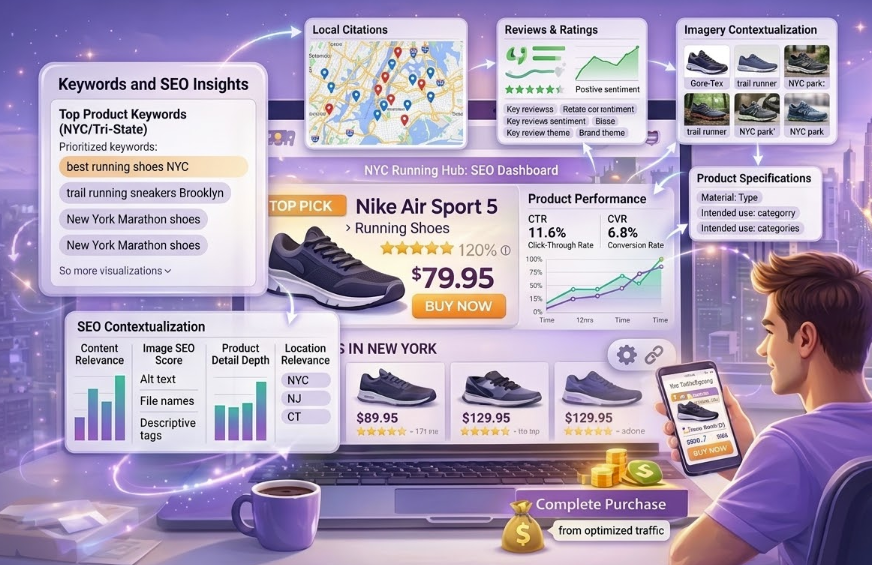
BrandThat is dedicated to helping ecommerce brands grow online through AI-powered SEO, localized targeting, audience insights, and seamless integrations. We understand the importance of increasing visibility, attracting qualified traffic, and driving more conversions efficiently. In this comprehensive guide, we’ll delve into various aspects of ecommerce SEO to help you optimize your WooCommerce website and achieve better search engine rankings.
ECommerce SEO
When it comes to ecommerce, SEO is crucial for driving organic traffic and increasing sales. Here are some key points to consider:
– Implementing technical SEO best practices for your WooCommerce website
– Optimizing product pages for relevant keywords and search intent
– Utilizing structured data to enhance product visibility in search results
– Creating a user-friendly site structure and navigation for improved user experience and search engine crawling
– Leveraging customer reviews and user-generated content to build trust and enhance SEO
SEO Audit
Conducting a thorough SEO audit is essential for identifying areas of improvement for your website’s SEO performance. This involves:
– Analyzing website performance, including page load speed and mobile-friendliness
– Assessing on-page elements such as meta tags, headings, and content quality
– Evaluating backlink profile and identifying opportunities for link building
– Checking for technical issues that may hinder search engine crawling and indexing
Keyword Research
Keyword research forms the foundation of successful ecommerce SEO. Here’s how to approach it effectively:
– Identifying high-intent keywords relevant to your products and target audience
– Conducting competitor analysis to uncover keyword opportunities and gaps
– Grouping keywords into relevant categories to guide content creation and on-page optimization
– Utilizing long-tail keywords to capture niche search queries and drive targeted traffic
Local SEO
For ecommerce brands with physical locations or service areas, local SEO is essential for capturing local search traffic. Key considerations include:
– Optimizing Google My Business profile with accurate business information, photos, and customer reviews
– Implementing local schema markup to enhance local search visibility
– Building local citations and maintaining consistent P (Name, Address, Phone) information across online directories
– Creating localized content and landing pages to target specific geographic areas
Organic Growth
Achieving sustainable organic growth is the ultimate goal of ecommerce SEO. Here’s how to lay the foundation for long-term success:
– Focusing on creating valuable, informative, and engaging content for both users and search engines
– Developing a content strategy that aligns with your target audience’s needs and search intent
– Building a strong backlink profile through outreach, guest blogging, and content promotion
– Leveraging social media and email marketing to amplify the reach of your content and attract new audiences
Contextual Placement
Contextual placement of keywords and content is essential for signaling relevance to search engines and users. Consider the following tips:
– Incorporating target keywords naturally into product descriptions, blog posts, and other website content
– Providing comprehensive and in-depth information to address user queries and establish expertise
– Ensuring content is structured for readability and accessibility, with proper use of headings, lists, and multimedia elements
Content Creation
High-quality content is at the heart of successful ecommerce SEO. Consider the following strategies:
– Developing informative product descriptions that highlight unique selling points and benefits
– Creating engaging blog posts, guides, and how-to articles that address customer pain points and provide valuable insights
– Utilizing multimedia content such as videos and infographics to enhance user experience and increase engagement
Citations
Building citations across relevant online directories and platforms is crucial for local SEO and brand visibility. Here’s how to approach it:
– Ensuring consistent business information across all citations, including P details and website URLs
– Targeting industry-specific and local directories to reach niche audiences and improve local search rankings
– Monitoring and managing online reviews and citations to maintain a positive brand reputation
Brand Reputation
A strong brand reputation is integral to ecommerce success. Consider the following strategies to enhance your brand’s online reputation:
– Encouraging and managing customer reviews to build trust and credibility
– Monitoring brand mentions and addressing customer feedback and inquiries promptly
– Establishing thought leadership through industry content, expert contributions, and association with reputable organizations
Achieving visibility for your WooCommerce website in Google search results requires a strategic and comprehensive approach to ecommerce SEO. By implementing the strategies outlined in this guide, you can improve your website’s ranking, attract more qualified traffic, and ultimately drive more conversions.