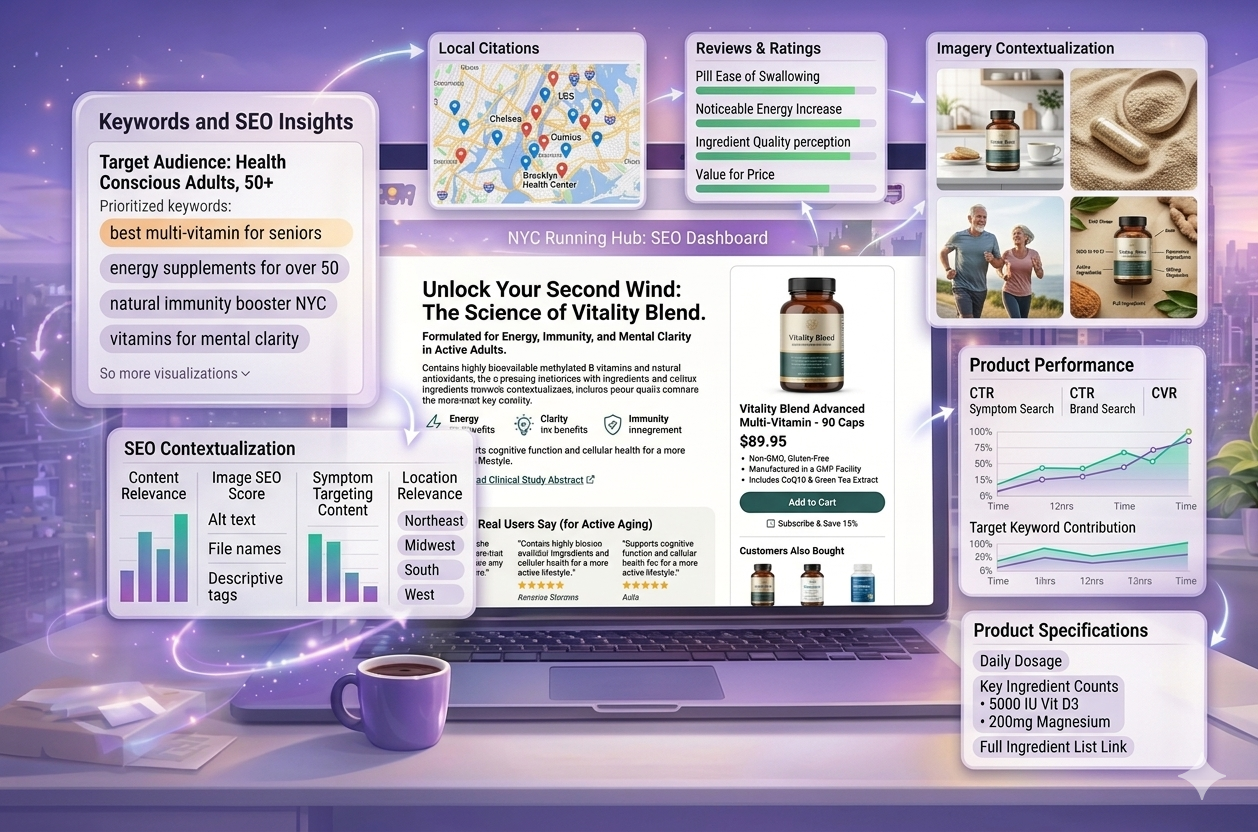


Complete Guide to SEO Marketing Case Study
Elevate Your Ecommerce Brand with AI-Powered SEO Strategies
In the competitive landscape of ecommerce, achieving and maintaining a prominent online presence is vital for sustained growth and profitability. This SEO marketing case study delves into the effectiveness of leveraging WooCommerce, a leading ecommerce platform, and cutting-edge SEO strategies to drive organic growth, increase visibility, and enhance revenue streams for ecommerce brands.
ECommerce SEO
Enhancing the online visibility and search engine ranking of e-commerce websites through strategic SEO techniques tailored to the unique needs of WooCommerce-based businesses.
– Implementing AI-powered SEO solutions to optimize product pages, improve site structure, and enhance user experience
– Leveraging advanced SEO tools and techniques to improve the discoverability and relevance of product listings
– Analyzing and optimizing the site’s performance, speed, and mobile responsiveness to ensure maximum search engine visibility and user engagement
SEO Audit
Conducting a comprehensive audit of the e-commerce website’s SEO performance to identify strengths, weaknesses, and opportunities for improvement.
– Thorough evaluation of on-page and off-page SEO factors, including site architecture, metadata, backlink profile, and technical SEO elements
– Utilizing advanced analytics and SEO auditing tools to identify potential obstacles to search engine visibility and user experience
– Generating actionable insights and recommendations to optimize the site for higher search engine rankings and increased organic traffic
Keyword Research
Employing sophisticated keyword research methodologies to identify high-converting, relevant keywords for e-commerce products and categories.
– Utilizing AI-driven keyword research tools to uncover valuable long-tail keywords and semantic variations with high search volume and commercial intent
– Analyzing competitor keyword strategies and market trends to identify untapped keyword opportunities for increased visibility and customer acquisition
– Implementing a data-driven keyword strategy to optimize product descriptions, category pages, and content for maximum search engine visibility and conversion potential
Local SEO
Crafting a targeted local SEO strategy to enhance the visibility of e-commerce brands within specific geographic markets and drive local customer acquisition.
– Leveraging location-based optimization techniques to enhance visibility in local search results and attract nearby customers
– Optimizing Google My Business listings, local citations, and geo-targeted content to enhance local search presence and customer engagement
– Implementing localized SEO strategies to drive foot traffic to brick-and-mortar stores and increase online sales within specific geographic regions
Organic Growth
Leveraging AI-powered SEO strategies to foster sustainable organic growth and expand the reach of e-commerce brands across diverse customer segments.
– Harnessing predictive analytics and audience insights to identify emerging consumer trends and preferences for targeted content and product offerings
– Enhancing the authority and relevance of e-commerce websites through strategic content creation, link-building, and contextual placement
– Maximizing the potential for sustained organic growth through continuous monitoring, optimization, and adaptation of SEO strategies to align with evolving search engine algorithms and consumer behavior
Contextual Placement
Strategically placing content across digital platforms to maximize visibility, engagement, and conversion opportunities for e-commerce brands.
– Leveraging AI-powered algorithms to identify optimal platforms and contexts for content placement based on audience behavior and preferences
– Implementing contextual placement strategies to enhance brand visibility, thought leadership, and customer engagement across diverse digital channels
– Utilizing data-driven insights to optimize content distribution and placement for maximum reach, resonance, and conversion potential
Content Creation
Developing compelling and relevant content assets to engage target audiences, enhance brand authority, and drive organic traffic and conversions.
– Harnessing AI-generated insights to craft data-driven content strategies aligned with consumer interests, search intent, and market trends
– Creating high-quality, informative, and visually appealing content assets to enrich the user experience and foster brand loyalty
– Implementing content optimization techniques to enhance search engine visibility, user engagement, and conversion potential across diverse content formats and channels
Citations
Establishing a robust presence across online directories, review platforms, and local citations to reinforce the credibility and visibility of e-commerce brands.
– Leveraging AI-powered citation management tools to ensure consistent, accurate business information across digital platforms and directories
– Enhancing local search visibility and customer trust through strategic citation building and reputation management initiatives
– Utilizing data-driven insights to identify and capitalize on citation opportunities that align with the brand’s target audience and market objectives
Brand Reputation
Building and managing a strong brand reputation through AI-driven strategies that emphasize trust, credibility, and positive customer sentiment.
– Implementing advanced sentiment analysis and reputation monitoring tools to gain actionable insights into customer perceptions and feedback
– Proactively addressing and mitigating negative feedback and brand sentiment through targeted reputation management initiatives
– Leveraging AI-powered brand monitoring and sentiment analysis to optimize brand positioning, customer engagement, and market competitiveness
To conclude
By integrating AI-powered SEO strategies tailored to the specific needs and opportunities of WooCommerce-based e-commerce brands, businesses can unlock new revenue channels, enhance market visibility, and drive sustainable organic growth. With a focus on localized targeting, audience insights, and seamless integrations, e-commerce brands can harness the power of AI to optimize their online presence, attract qualified traffic, and maximize conversion opportunities in the competitive digital landscape.