

Complete Guide to SEO Information Technology
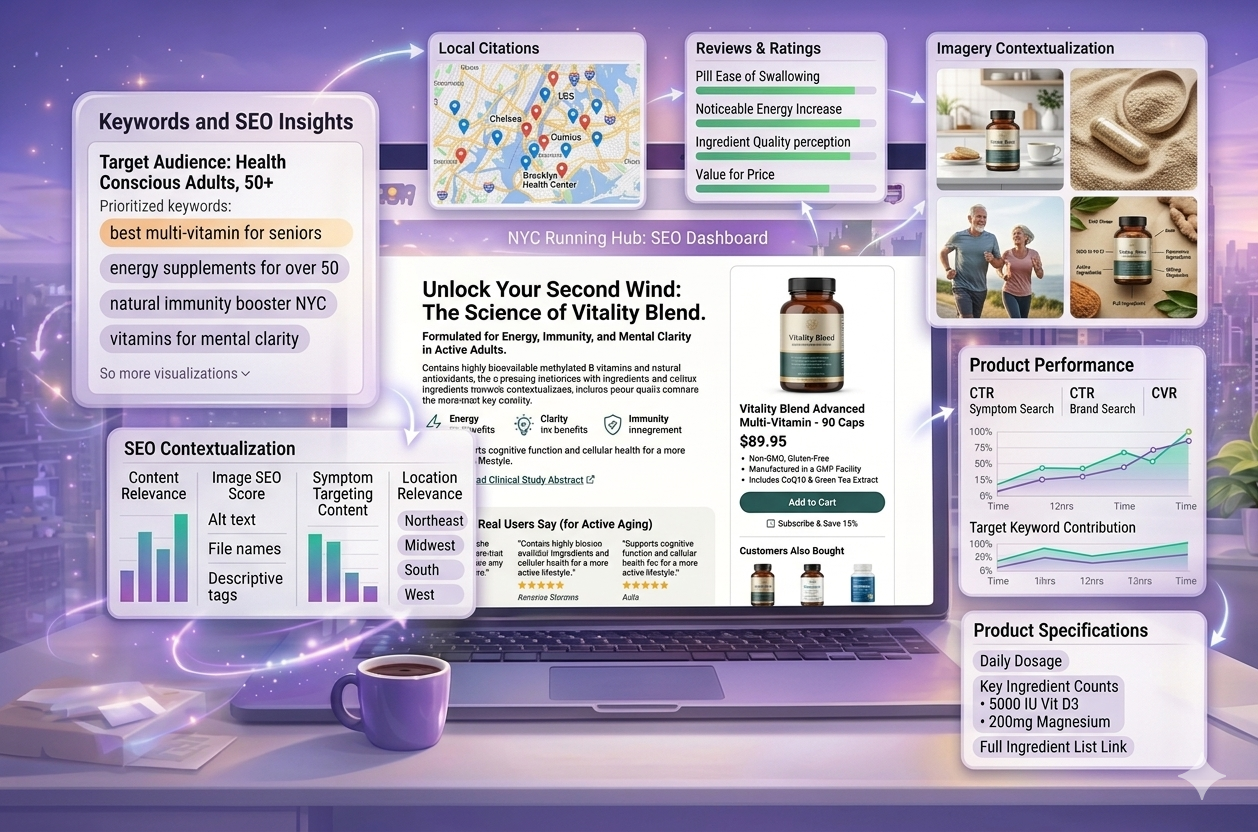
In the ever-competitive landscape of ecommerce, maximizing online visibility, attracting qualified traffic, and driving conversions efficiently are crucial for sustainable growth. With the integration of AI-powered SEO, localized targeting, audience insights, and seamless functionalities, BigCommerce offers a robust platform for ecommerce brands to achieve these objectives. This technical introduction will delve into the intricacies of leveraging SEO Information Technology on BigCommerce, providing insights into eCommerce SEO, SEO Audit, Keyword Research, Local SEO, Organic Growth, Contextual Placement, Content Creation, Citations, and Brand Reputation.
ECommerce SEO
– Implementing optimized product descriptions, meta tags, and URLs to enhance search engine visibility and drive organic traffic.
– Utilizing structured data markup and rich snippets to improve click-through rates and provide detailed product information in search results.
– Maximizing internal linking strategies to improve website navigation and distribute link equity effectively.
– Employing mobile-friendly design and page speed optimization to enhance user experience and SEO performance.
SEO Audit
– Conducting comprehensive website audits to identify technical issues, on-page optimization opportunities, and content gaps.
– Evaluating site structure, indexing, crawlability, and overall performance to ensure search engines can effectively discover and rank website content.
– Analyzing backlink profiles and anchor text distribution to identify potential risks and opportunities for link building strategies.
– Identifying and resolving issues related to duplicate content, canonicalization, and crawl errors to improve site health and SEO performance.
Keyword Research
– Utilizing advanced keyword research tools to identify high-value search terms, long-tail keywords, and relevant phrases with commercial intent.
– Analyzing keyword difficulty, search volume, and competition to prioritize target keywords and develop content strategies.
– Incorporating semantic keyword variations and natural language queries to align with user intent and capture diverse search queries.
– Understanding the buyer’s journey and aligning keywords with specific stages to drive targeted traffic and improve conversion rates.
Local SEO
– Optimizing Google My Business profiles and local listings to enhance visibility in local search results and capture geo-specific traffic.
– Implementing local schema markup and P consistency to establish trust and authority for location-based searches.
– Generating positive reviews, managing online reputation, and engaging with local communities to build credibility and trust.
– Leveraging geotargeted content, local citations, and location-based keywords to resonate with local audiences and drive foot traffic to physical stores.
Organic Growth
– Developing a comprehensive content strategy to create valuable, relevant, and engaging content that resonates with target audiences.
– Leveraging AI-powered insights to understand user behavior, preferences, and intent to personalize content and improve engagement.
– Utilizing data-driven decision-making to optimize website performance, user experience, and conversion rates for sustained organic growth.
– Establishing thought leadership, building authority, and nurturing a loyal customer base through consistent and valuable content creation.
Contextual Placement
– Leveraging contextual advertising and native placements to seamlessly integrate promotional content within relevant online environments.
– Tailoring ad creative, messaging, and offers to align with the context and interests of the target audience for higher engagement and conversion rates.
– Using advanced targeting options and contextual relevance to deliver personalized ad experiences and maximize return on ad spend.
Content Creation
– Crafting compelling and informative product descriptions, blog posts, and landing pages to engage users and improve search visibility.
– Incorporating multimedia elements such as videos, infographics, and interactive content to enhance user experience and drive engagement.
– Developing a content calendar based on keyword research, industry trends, and customer insights to ensure consistent and strategic content creation.
– Optimizing content for voice search, featured snippets, and natural language queries to capture emerging search trends and capitalize on new opportunities.
Citations
– Building consistent and accurate business citations across relevant online directories, local listings, and industry-specific platforms.
– Ensuring P (Name, Address, Phone Number) consistency to establish trust, credibility, and authority with search engines and local consumers.
– Monitoring and managing citations to address inaccuracies, duplicate listings, and potential citation spam to maintain a strong online presence.
Brand Reputation
– Monitoring brand mentions, social media conversations, and online reviews to proactively manage reputation and address customer feedback.
– Cultivating positive brand experiences, fostering brand advocacy, and capturing user-generated content to enhance brand reputation.
– Leveraging sentiment analysis and social listening tools to gain insights into consumer perceptions and sentiment towards the brand.
– Implementing reputation management strategies to mitigate negative feedback, resolve customer issues, and protect brand equity.
By harnessing the power of SEO Information Technology on the BigCommerce platform, ecommerce brands can elevate their online presence, drive targeted traffic, and achieve sustainable growth. Schedule a demo today to discover how AI-powered SEO and integrated functionalities can empower your brand to thrive in the competitive ecommerce landscape.