

Complete Guide to SEO For Ecommerce Website
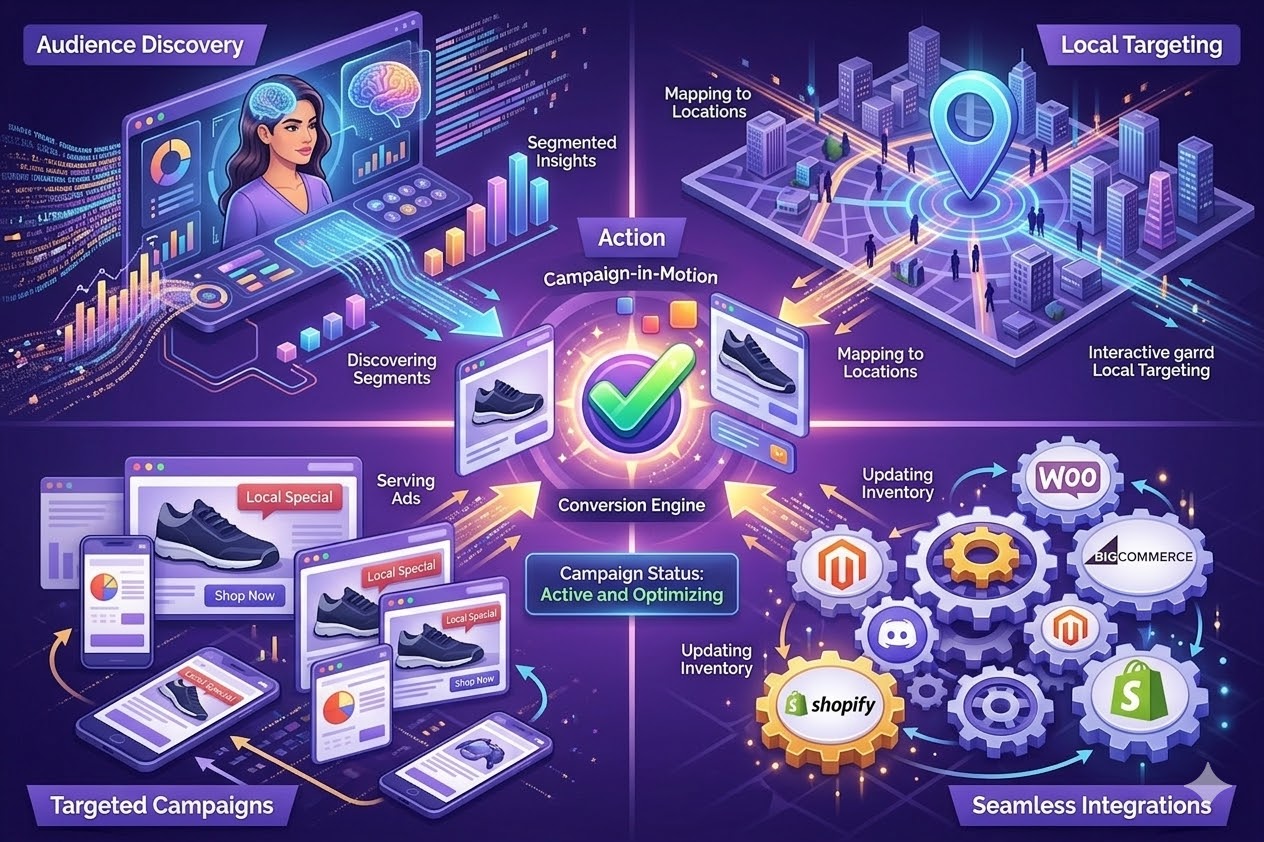
In the fiercely competitive landscape of ecommerce, it’s essential for brands to harness the power of SEO to drive organic growth and maximize revenue potential. As an ecommerce brand owner, leveraging the capabilities of WooCommerce can be a game-changer in achieving visibility, attracting qualified traffic, and driving conversions. At BrandThat, we understand the pivotal role that SEO plays in the success of ecommerce businesses. Our AI-powered approach empowers brands to optimize their online presence, target local audiences effectively, and build a robust brand reputation.
ECommerce SEO
– Implementing best practices for optimizing product pages, category pages, and site structure
– Leveraging schema markup to enhance search engine visibility and product listing information
– Utilizing rich snippets to provide users with valuable, informative content in search results
SEO Audit
– Conducting a comprehensive analysis of website performance, identifying technical issues, and addressing on-page and off-page SEO factors
– Utilizing advanced tools to assess website speed, mobile-friendliness, and overall user experience
– Generating actionable insights for improvement and long-term SEO strategy
Keyword Research
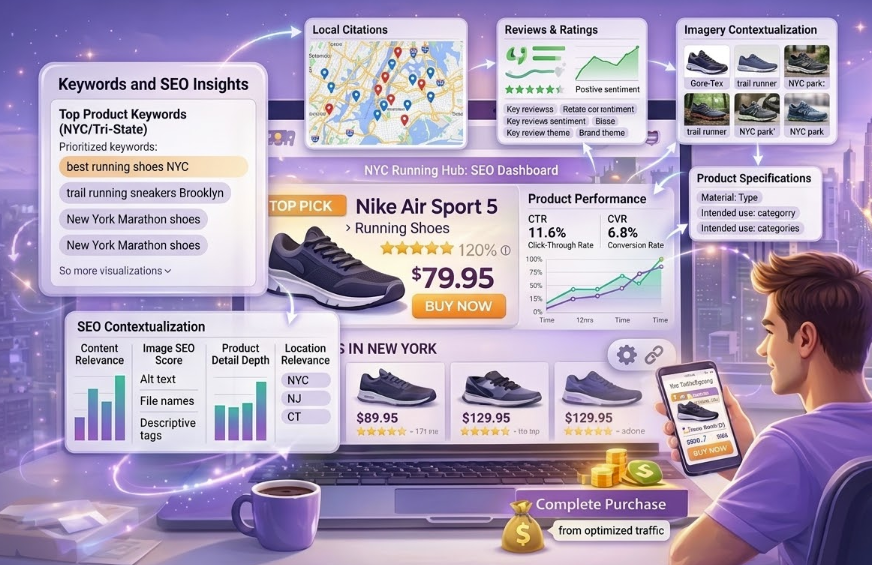
– Identifying and targeting high-converting keywords relevant to product offerings and consumer intent
– Analyzing search volume, competition, and keyword trends to inform content creation and optimization
– Leveraging long-tail keywords for specific product categories and niche markets
Local SEO
– Optimizing Google My Business profiles for enhanced local visibility and customer engagement
– Leveraging local keyword targeting to reach nearby consumers and drive foot traffic to physical stores
– Implementing location-based landing pages and geo-targeted content for hyper-localized marketing efforts
Organic Growth
– Developing a holistic SEO strategy focused on sustainable, long-term growth and brand authority
– Leveraging content marketing initiatives to attract and engage potential customers at various stages of the buyer’s journey
– Utilizing data-driven insights to adapt and refine strategies for continuous improvement
Contextual Placement
– Integrating strategic internal linking to enhance user navigation and distribute link equity across the website
– Leveraging contextual relevance to optimize anchor text and drive targeted traffic to specific product pages
– Aligning content placement with user intent and search query context for improved visibility and engagement
Content Creation
– Crafting compelling, SEO-optimized product descriptions, blog posts, and landing page content to enhance user experience and search engine visibility
– Implementing a content calendar aligned with keyword research and user intent to drive consistent organic traffic
– Incorporating multimedia elements such as videos, infographics, and interactive content for enhanced engagement
Citations
– Establishing consistent and accurate business citations across online directories, review platforms, and industry-specific websites
– Leveraging local citations to build trust, credibility, and authority within target markets
– Monitoring and managing citations to ensure accuracy and relevance for improved local search visibility
Brand Reputation
– Implementing proactive reputation management strategies to monitor and respond to customer reviews and feedback
– Cultivating positive brand sentiment through customer engagement, social proof, and transparent communication
– Leveraging user-generated content and testimonials to build trust and credibility with potential customers
In the ever-evolving landscape of ecommerce, harnessing the power of SEO through WooCommerce is crucial for driving sustainable organic growth and maximizing revenue potential. By implementing best practices for eCommerce SEO, conducting comprehensive audits, and leveraging localized targeting, brands can establish a strong online presence, attract qualified traffic, and drive conversions effectively.