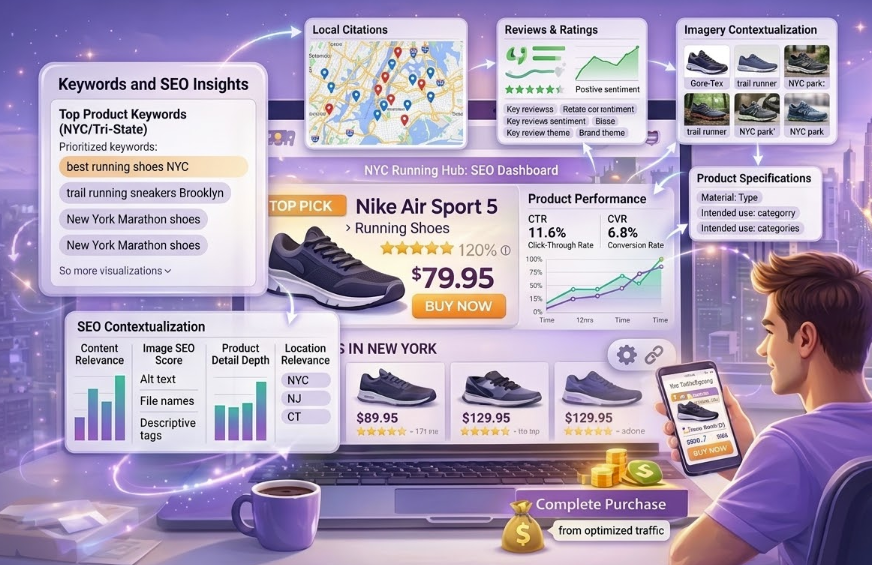


Complete Guide to Search Engine Use Statistics
In the increasingly competitive world of ecommerce, realizing and leveraging search engine use statistics is crucial for success. With the right approach to SEO and organic growth, ecommerce brands can significantly increase their visibility, attract qualified traffic, and drive more conversions. For businesses using BigCommerce, these strategies are essential for maximizing the platform’s potential and achieving sustainable revenue growth.
ECommerce SEO
– Implementing advanced SEO techniques tailored to ecommerce websites
– Optimizing product pages for maximum search engine visibility
– Utilizing structured data markup to enhance product listings in search results
– Leveraging schema markup to provide rich snippets and improve click-through rates
– Implementing mobile-friendly design and optimizing for voice search
SEO Audit
– Conducting a comprehensive audit of the ecommerce website’s SEO performance
– Identifying technical issues that may hinder search engine visibility
– Analyzing website structure, internal linking, and site speed for optimization opportunities
– Assessing the effectiveness of current keyword targeting and content strategy
– Evaluating the website’s backlink profile and identifying opportunities for improvement
Keyword Research
– Identifying high-value and relevant keywords for ecommerce product listings
– Analyzing search volume, competition, and user intent to prioritize target keywords
– Leveraging long-tail keywords to capture specific customer queries and drive qualified traffic
– Monitoring keyword trends and adjusting strategy to capitalize on emerging opportunities
– Incorporating keyword research into content creation and on-page optimization
Local SEO
– Optimizing the ecommerce website for local search queries and near me searches
– Leveraging Google My Business and other local directories for enhanced visibility
– Implementing location-specific landing pages and content to target regional markets
– Managing customer reviews and testimonials to build local trust and credibility
– Utilizing local structured data markup to enhance local search engine visibility
Organic Growth
– Developing a holistic organic growth strategy aligned with business objectives
– Leveraging content marketing, social media, and influencer partnerships for brand awareness
– Building a strong backlink profile through high-quality content and outreach efforts
– Implementing conversion rate optimization strategies to maximize the impact of organic traffic
– Monitoring and analyzing key performance indicators to track organic growth success
Contextual Placement
– Placing targeted keywords and content in contextually relevant areas of the website
– Leveraging internal linking to establish content hierarchy and topical relevance
– Aligning product descriptions, category pages, and blog content with keyword themes
– Ensuring that content is aligned with user intent and provides valuable information
– Creating content clusters and topic clusters to enhance contextual relevance
Content Creation
– Developing high-quality, original content that addresses customer needs and pain points
– Utilizing multimedia content such as videos, infographics, and interactive elements
– Incorporating targeted keywords naturally into content while maintaining readability
– Implementing a content calendar to ensure consistent publishing and promotion
– Monitoring content performance and adjusting strategy based on audience engagement
Citations
– Building and maintaining consistent business citations across online directories and platforms
– Optimizing citation profiles with accurate and up-to-date business information
– Leveraging industry-specific and local citations for enhanced relevance and authority
– Monitoring and addressing duplicate or inconsistent citations to maintain trustworthiness
– Utilizing citations to improve local search engine visibility and attract relevant traffic
Brand Reputation
– Managing online reviews, ratings, and customer feedback to maintain a positive brand image
– Leveraging social proof and testimonials to build trust and credibility with potential customers
– Monitoring brand mentions and sentiment across digital channels for reputation management
– Responding to customer feedback and addressing concerns in a professional and timely manner
– Establishing the ecommerce brand as a trusted authority through thought leadership and community engagement
Recognizing and leveraging search engine use statistics is essential for ecommerce brands looking to maximize their potential on BigCommerce. By implementing advanced SEO strategies, focusing on organic growth, and optimizing for local and contextual relevance, ecommerce brands can attract qualified traffic and drive revenue growth effectively.