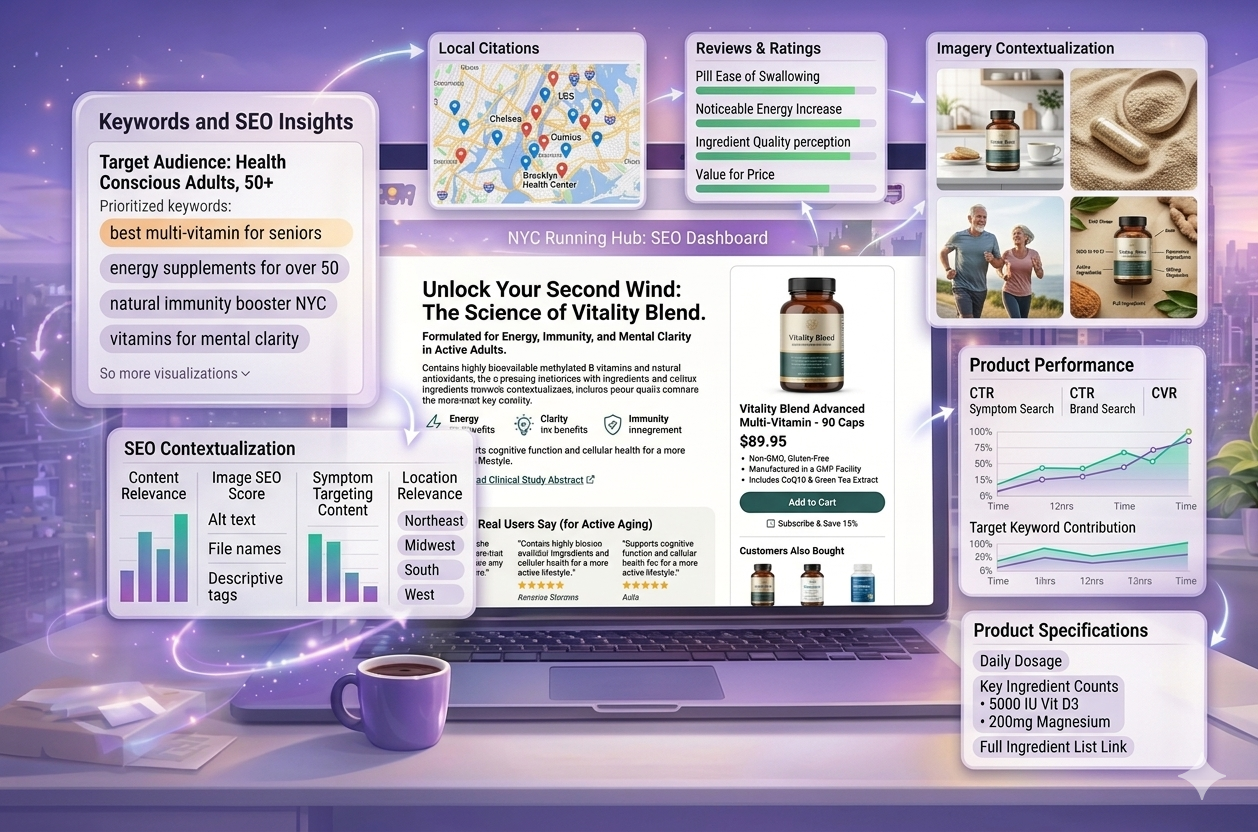


Complete Guide to Search Engine Optimization In Usa
Driving substantial organic traffic to your WooCommerce store is essential for sustaining and growing your business. Leveraging advanced Search Engine Optimization (SEO) strategies tailored to the American market can significantly enhance your brand’s visibility, attract high-intent traffic, and ultimately drive more revenue. With BrandThat’s AI-powered SEO solutions, ecommerce brands can harness the power of localized targeting, audience insights, and seamless integrations to achieve sustainable growth and outperform competitors.
ECommerce SEO
When it comes to ecommerce SEO for WooCommerce, a tailored approach is crucial for success. With the vast array of products, categories, and ever-changing inventory, a comprehensive strategy is essential to drive targeted traffic and increase conversions.
– Implementing technical SEO best practices specifically for WooCommerce sites
– Optimizing product pages for relevant keywords and user experience
– Utilizing structured data to enhance search engine visibility
– Leveraging AI-powered tools to identify and capitalize on search trends
– Enhancing site speed and performance for improved user experience and search rankings
SEO Audit
Conducting a thorough SEO audit is the foundation of any successful ecommerce SEO strategy. By identifying strengths, weaknesses, and opportunities, brands can make informed decisions and prioritize efforts for maximum impact.
– Assessing website structure, technical issues, and mobile-friendliness
– Analyzing on-page elements, meta tags, and content quality
– Evaluating backlink profile and off-page optimization
– Identifying crawl errors and indexing issues
– Measuring site performance and user engagement metrics
Keyword Research
Effective keyword research is the cornerstone of successful ecommerce SEO. By acknowledging the language and intent of potential customers, brands can optimize their content and product offerings to align with search demand.
– Identifying high-intent, long-tail keywords relevant to ecommerce products
– Analyzing search volume, competition, and keyword trends in the US market
– Incorporating transactional and informational keywords for comprehensive coverage
– Utilizing AI-driven tools to uncover niche opportunities and emerging search queries
– Tailoring keyword strategy to match user intent and the customer journey
Local SEO
For ecommerce brands with physical locations or targeting specific geographic markets, local SEO is instrumental in driving foot traffic and online sales. With a focus on localized targeting, brands can enhance visibility in relevant local searches and capture valuable leads.
– Optimizing Google My Business profiles for accurate and consistent business information
– Implementing location-based keywords and geo-modifiers in content and metadata
– Cultivating positive customer reviews and managing local citations
– Leveraging local schema markup to enhance search engine acknowledging of location relevance
– Tailoring content and promotions to resonate with local audiences
Organic Growth
Achieving sustainable organic growth requires a holistic approach that combines technical expertise, compelling content, and strategic optimization efforts. By creating a strong foundation and continually refining tactics, ecommerce brands can establish long-term visibility and authority in their niche.
– Fostering a robust link-building strategy to earn high-quality backlinks from authoritative sources
– Developing engaging and informative content that resonates with target audiences
– Monitoring and adjusting SEO strategies based on algorithm updates and industry shifts
– Utilizing AI-driven insights to identify emerging trends and capitalize on new opportunities
– Cultivating a strong brand presence across digital platforms to foster trust and loyalty
Contextual Placement
Strategic contextual placement of keywords and content is essential for optimizing visibility and relevance. By aligning content with user intent and search context, ecommerce brands can effectively communicate their value proposition and attract qualified traffic.
– Identifying content gaps and opportunities for thematic relevance within the site structure
– Incorporating targeted keywords naturally within product descriptions, category pages, and blog content
– Ensuring a cohesive internal linking strategy to reinforce topical authority and improve navigation
– Tailoring content to match search intent and provide valuable solutions to user queries
– Leveraging AI insights to understand user behavior and preferences for personalized content placement
Content Creation
Compelling and informative content is a cornerstone of successful ecommerce SEO. By providing valuable resources, guides, and product information, brands can position themselves as industry authorities and attract engaged audiences.
– Developing a content calendar that aligns with seasonal trends, promotions, and product launches
– Creating in-depth product guides, tutorials, and comparison articles to address user queries
– Incorporating multimedia elements such as videos, infographics, and interactive tools to enhance engagement
– Implementing user-generated content strategies to foster community participation and social proof
– Leveraging AI-powered content recommendations to drive personalized experiences and improve engagement metrics
Citations
For local and national ecommerce brands alike, building and managing citations is essential for establishing trust, relevance, and authority in the eyes of search engines.
– Ensuring consistent P (Name, Address, Phone) information across all digital platforms
– Building citations on authoritative local directories, industry-specific platforms, and niche communities
– Monitoring and addressing any inaccuracies or inconsistencies in citation data
– Utilizing AI insights to identify and prioritize citation opportunities based on relevance and authority
– Cultivating positive reviews and testimonials to reinforce brand reputation and local credibility
Brand Reputation
A strong brand reputation is a critical asset in the competitive ecommerce landscape. By fostering trust, transparency, and positive sentiment, brands can differentiate themselves and build long-term customer loyalty.
– Monitoring and addressing customer feedback across review platforms and social channels
– Cultivating a proactive and transparent approach to customer service and issue resolution
– Leveraging social proof and user-generated content to showcase positive brand experiences
– Engaging with industry influencers, thought leaders, and media outlets to amplify brand messaging
– Utilizing AI-driven sentiment analysis to understand and address brand reputation trends
Final notions
In the dynamic and competitive landscape of ecommerce, leveraging advanced SEO strategies tailored to the US market is essential for driving sustainable growth and outperforming competitors. With BrandThat’s AI-powered solutions, ecommerce brands can unlock the full potential of WooCommerce, increase visibility, attract high-intent traffic, and drive more conversions efficiently.