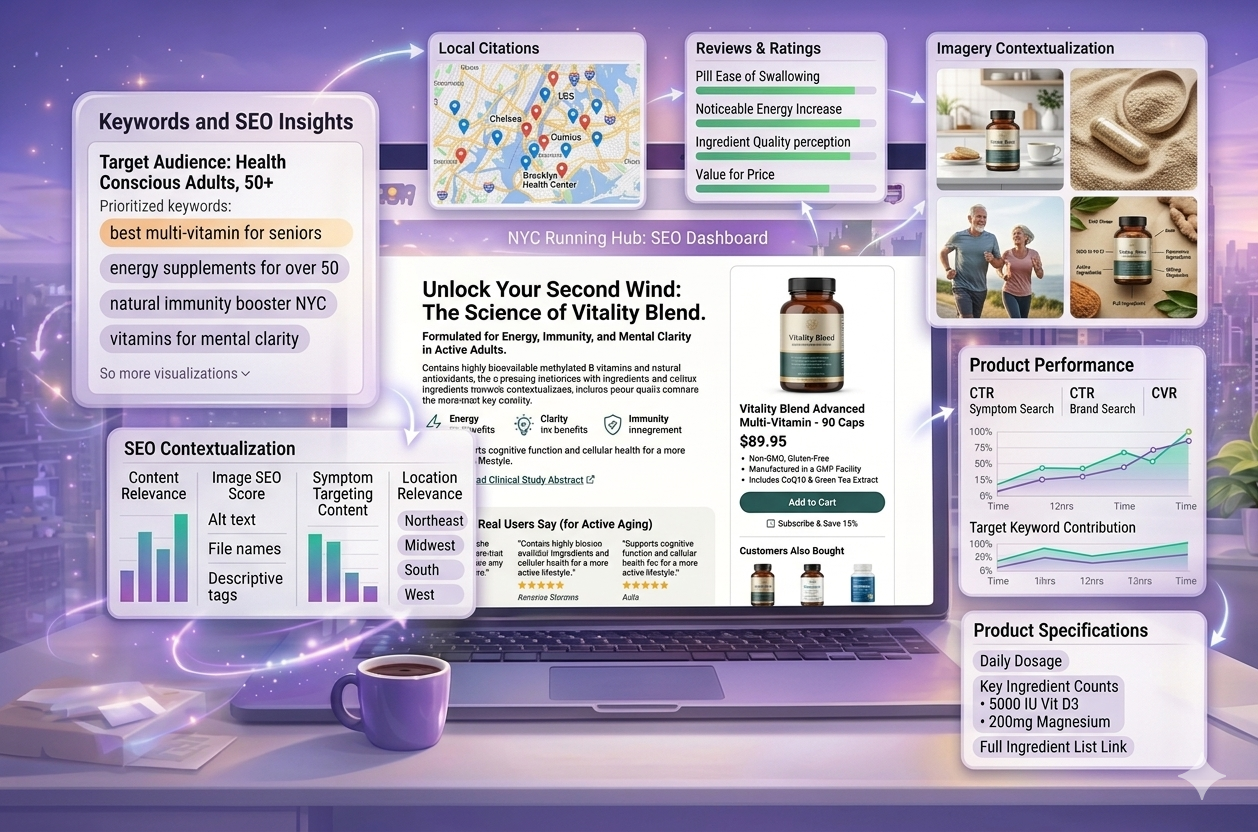


Complete Guide to Search Engine In Ecommerce
When it comes to ecommerce, leveraging search engine optimization (SEO) is crucial for driving organic traffic and increasing conversions. As an ecommerce brand using WooCommerce, implementing effective SEO strategies can significantly impact your online visibility, attract qualified traffic, and ultimately drive more revenue. In this comprehensive guide, we’ll delve into the essential aspects of Search Engine In Ecommerce and how WooCommerce can empower your brand to achieve substantial growth through organic channels.
ECommerce SEO
Ecommerce SEO is the process of optimizing your online store to rank higher in search engine results, enhance visibility, and attract relevant traffic. With WooCommerce, implementing tailored SEO strategies can help you stand out in a highly competitive online marketplace, ultimately leading to increased sales and revenue. Key elements of ecommerce SEO include:
– On-page optimization: Enhancing product descriptions, meta tags, and URL structures to improve search engine visibility.
– Technical SEO: Ensuring proper site architecture, mobile responsiveness, and fast load times to provide a seamless user experience and satisfy search engine algorithms.
– Link building: Acquiring high-quality backlinks from authoritative websites to establish credibility and improve search rankings.
– Content marketing: Creating valuable, engaging content that resonates with your target audience and drives organic traffic to your ecommerce site.
SEO Audit
Conducting a thorough SEO audit is essential for identifying strengths, weaknesses, and opportunities for improvement within your ecommerce website. Through a comprehensive SEO audit, you can gain valuable insights into your site’s performance, technical issues, and content effectiveness. This process involves:
– Analyzing website structure, indexing, and crawlability to ensure search engines can access and understand your content.
– Evaluating keyword usage, relevance, and optimization to align with user search intent and improve organic rankings.
– Assessing backlink profiles and domain authority to gauge the overall authority and trustworthiness of your ecommerce site.
Keyword Research
Effective keyword research is at the core of successful ecommerce SEO. By identifying and targeting relevant keywords, you can optimize your product pages, blog content, and category pages to attract organic traffic from potential customers. Key aspects of keyword research include:
– Identifying high-intent keywords with commercial value to target potential buyers in the ecommerce space.
– Understanding search volume, competition, and user intent to prioritize and optimize for the most impactful keywords.
– Utilizing long-tail keywords and semantic variations to capture niche audiences and drive targeted traffic to your WooCommerce store.
Local SEO
For ecommerce brands with physical locations or serving specific geographic areas, local SEO plays a crucial role in enhancing visibility and driving foot traffic to brick-and-mortar stores. With WooCommerce, you can optimize your online presence for local search by:
– Claiming and optimizing Google My Business listings to appear in local map packs and relevant search results.
– Implementing location-based keyword targeting and creating localized content to resonate with regional audiences.
– Encouraging customer reviews and leveraging local citations to establish authority and credibility within specific geographic regions.
Organic Growth
Organic growth in ecommerce refers to the sustainable, long-term expansion of your online business through non-paid channels, such as SEO, content marketing, and audience engagement. With WooCommerce, you can cultivate organic growth by:
– Focusing on creating high-quality, relevant content that addresses customer needs and pain points, driving organic traffic and establishing your brand as an industry authority.
– Leveraging audience insights and data-driven strategies to refine your SEO approach and continuously improve your online visibility and customer acquisition.
– Implementing advanced SEO techniques, such as structured data markup and schema optimization, to enhance search engine realizing and representation of your ecommerce offerings.
Contextual Placement
Contextual placement in ecommerce SEO emphasizes the strategic placement of relevant keywords and content within the context of user intent and search queries. With WooCommerce, contextual placement can be optimized by:
– Aligning product descriptions, category pages, and blog content with targeted keywords to provide valuable information to potential customers and improve search engine visibility.
– Focusing on user experience and relevance to ensure that your ecommerce site effectively addresses customer needs and preferences, enhancing organic rankings and user engagement.
Content Creation
Compelling and informative content creation is fundamental for ecommerce SEO success. With WooCommerce, you can leverage content creation to:
– Showcase product features, benefits, and use cases through engaging product descriptions, videos, and visual content to captivate potential customers and drive conversions.
– Educate and inform your target audience through blog posts, guides, and how-to articles, establishing your brand as a go-to resource within your niche and driving organic traffic.
Citations
In ecommerce SEO, citations refer to the mentions of your business name, address, and phone number (P) across the web. For WooCommerce brands, citations are vital for:
– Establishing local relevance and authority, especially for businesses with physical locations, by ensuring consistent and accurate business information across online directories, social platforms, and industry-specific websites.
– Enhancing trust and credibility with search engines and potential customers through a robust citation profile, signaling the legitimacy and reliability of your ecommerce brand.
Brand Reputation
Building and maintaining a strong brand reputation is paramount in ecommerce, directly influencing customer trust, loyalty, and organic search visibility. With WooCommerce, you can manage and enhance your brand reputation by:
– Monitoring and responding to customer reviews and feedback to demonstrate your commitment to customer satisfaction and address any concerns or issues promptly.
– Cultivating a positive online presence through social proof, testimonials, and user-generated content, reinforcing your brand’s authority and trustworthiness in the eyes of both customers and search engines.
Implementing robust SEO strategies tailored to ecommerce with WooCommerce can empower your brand to achieve sustainable growth, increased visibility, and enhanced revenue through organic channels. By prioritizing ecommerce SEO, conducting thorough audits, and focusing on key aspects such as keyword research, local optimization, and content creation, you can position your WooCommerce store for long-term success in the competitive online marketplace.