

Complete Guide to Organic Search Engine Optimization Techniques
In the ever-competitive world of ecommerce, achieving top rankings on search engine results pages (SERPs) is crucial for driving traffic and increasing revenue. However, with the constantly evolving landscape of search engine algorithms, it’s essential to employ Organic Search Engine Optimization (SEO) techniques that not only align with the latest best practices but also cater to the specific needs of ecommerce businesses using platforms like Shopify.
ECommerce SEO
Effective ecommerce SEO is more than just achieving high rankings; it’s about attracting the right audience and converting that traffic into loyal customers. With Shopify’s robust ecommerce capabilities, optimizing your online store for search engines becomes a strategic imperative for sustainable growth and profitability.
– Implementing structured data markup to enhance product visibility in rich snippets
– Optimizing product descriptions and metadata for relevant keywords and long-tail phrases
– Creating a responsive and user-friendly website design to improve user experience and reduce bounce rates
SEO Audit
Conducting a comprehensive SEO audit of your Shopify store is the first step towards identifying areas for improvement and leveraging untapped potential. This audit involves analyzing various aspects of your website, including technical SEO elements, content quality, and backlink profiles.
– Evaluating website performance, mobile-friendliness, and page loading speed for enhanced user experience
– Assessing the internal linking structure and identifying opportunities for strategic link placement
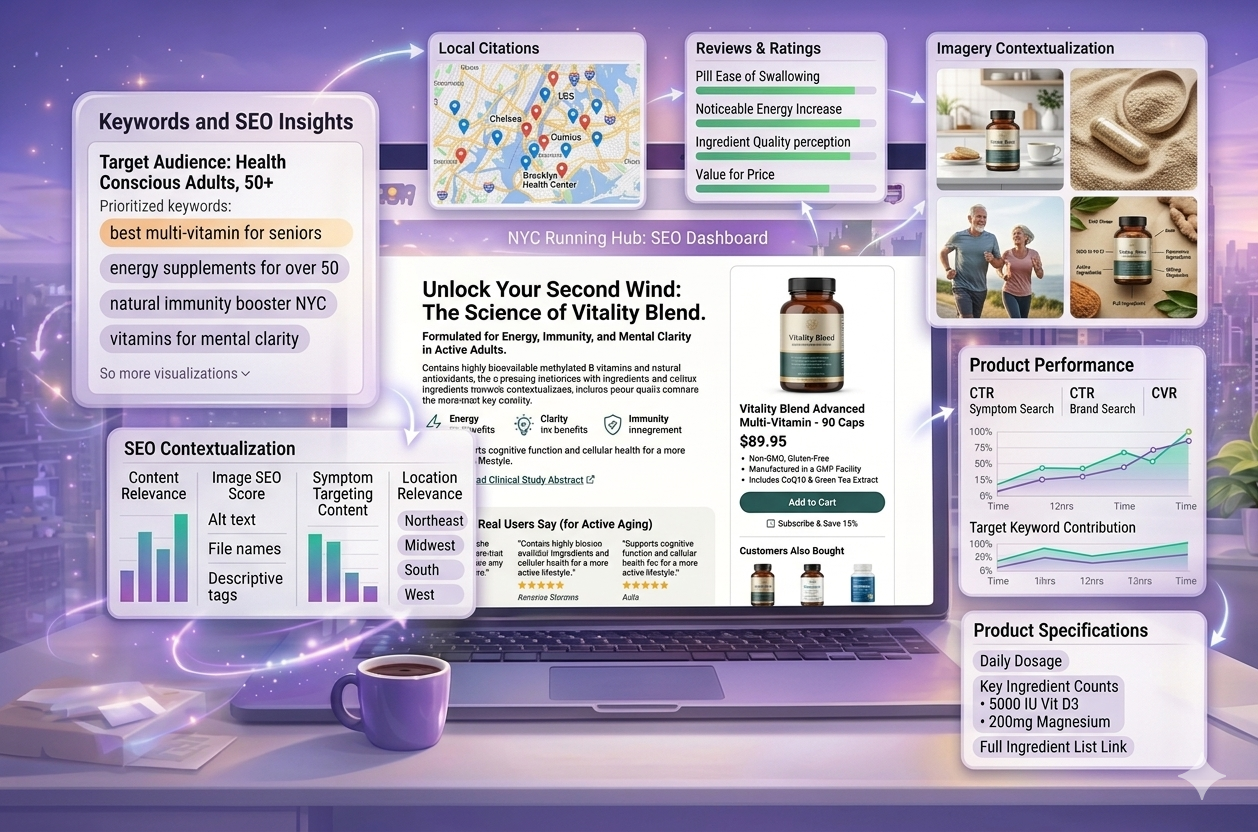
– Reviewing meta tags, headers, and image alt-text to ensure optimal keyword relevance and targeting
Keyword Research
Keyword research forms the foundation of any successful SEO strategy, especially for ecommerce brands looking to capture the attention of potential customers at various stages of the buying cycle.
– Identifying high-intent keywords with commercial value for product pages and category listings
– Leveraging long-tail keywords to tap into specific niche markets and address unique consumer needs
– Incorporating geo-modifiers for localized targeting and capturing relevant local search traffic
Local SEO
For ecommerce brands with physical locations or those targeting specific geographic markets, local SEO plays a pivotal role in driving foot traffic and increasing online visibility within local communities.
– Claiming and optimizing Google My Business listings for improved local search presence
– Cultivating positive online reviews and managing business citations across relevant directories
– Implementing location-specific content and geo-targeted landing pages to enhance local relevance
Organic Growth
Sustainable organic growth involves nurturing your online presence through a holistic approach that prioritizes user value, brand authority, and long-term visibility.
– Building a diverse backlink profile through genuine outreach, influencer collaborations, and content partnerships
– Developing a content calendar that aligns with user intent, industry trends, and seasonal demands
– Monitoring and analyzing user engagement metrics to refine and optimize your SEO strategies over time
Contextual Placement
Contextual placement refers to the strategic integration of keywords and content within the broader context of user relevance and search intent, ensuring a seamless and natural user experience.
– Crafting compelling product descriptions and category pages that resonate with consumer needs and preferences
– Incorporating informational blog posts, guides, and FAQs to address common queries and establish thought leadership
– Aligning content with semantic search patterns and user behavior for enhanced discoverability and engagement
Content Creation
Compelling and informative content lies at the heart of successful ecommerce SEO, offering opportunities for engaging potential customers, addressing pain points, and establishing brand authority.
– Developing multimedia content such as videos, infographics, and interactive product showcases for diverse user engagement
– Prioritizing user-generated content, customer testimonials, and social proof to build trust and credibility
– Leveraging storytelling and emotion-driven narratives to create brand affinity and foster long-term customer loyalty
Citations
Building a strong network of citations and mentions across reputable online platforms and directories not only bolsters your brand’s credibility but also reinforces its digital footprint.
– Ensuring consistent P (Name, Address, Phone Number) information across all online business listings
– Cultivating mentions and features within industry publications, local news outlets, and relevant niche communities
– Monitoring and responding to brand mentions and reviews to maintain a positive online reputation and address customer feedback proactively
Brand Reputation
In the age of digital transparency, brand reputation management goes beyond mere crisis control; it involves actively shaping the narrative around your brand and fostering a positive perception among your target audience.
– Proactively engaging in social listening to gauge sentiment, identify trends, and address potential reputation risks
– Implementing proactive customer service strategies and personalized communication to enhance brand trust and loyalty
– Leveraging user-generated content and community engagement to showcase authentic brand experiences and endorsements
Achieving sustainable organic growth for your ecommerce brand on Shopify requires a multifaceted approach that combines technical expertise, strategic content creation, and a deep acknowledging of user intent and behavior. By leveraging Organic SEO techniques tailored to the specific needs of ecommerce businesses, you can not only increase your online visibility but also attract qualified traffic and drive meaningful conversions, ultimately leading to sustainable revenue growth and brand success.