

Complete Guide to Maintenance Site Ecommerce
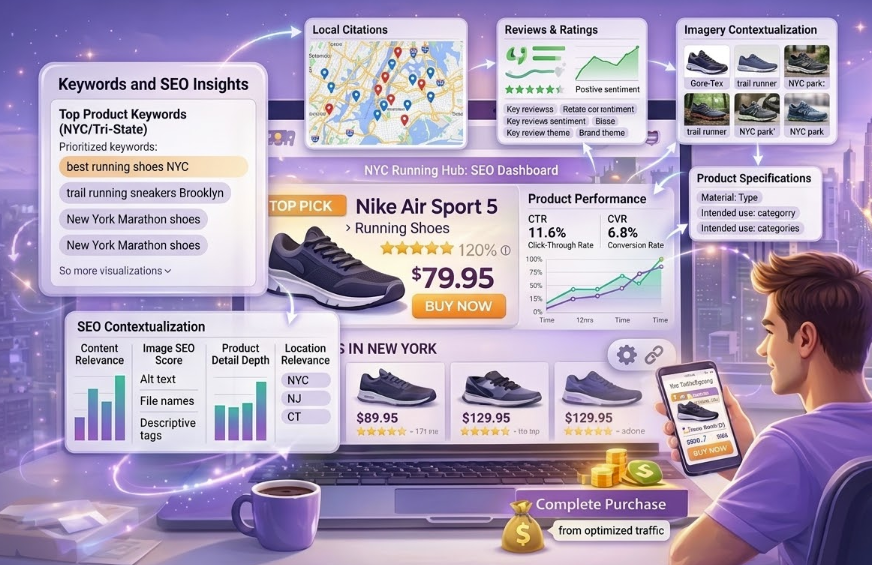
In the competitive landscape of ecommerce, maintaining a strong online presence is essential for sustained growth and success. With the increasing reliance on digital platforms, having a well-maintained ecommerce site is crucial for attracting and retaining customers. For ecommerce brands using Shopify, leveraging advanced SEO strategies is paramount to drive organic growth, enhance visibility, and increase revenue streams. This comprehensive guide delves into the technical aspects of Maintenance Site Ecommerce as it relates to Shopify, offering valuable insights and actionable steps to optimize your online store.
ECommerce SEO
Enhancing the search engine optimization (SEO) of your ecommerce site is fundamental to increasing its visibility and attracting qualified traffic. By implementing robust SEO practices, you can improve your site’s ranking on search engine results pages (SERPs) and capitalize on organic traffic. Key aspects of ecommerce SEO include:
– Optimizing product descriptions and metadata to improve search visibility
– Implementing structured data markup for enhanced product listings on search results
– Enhancing site speed and mobile responsiveness for a seamless user experience
– Leveraging rich snippets and schema markup to stand out in search results
SEO Audit
Conducting a comprehensive SEO audit of your Shopify store is essential to identify areas for improvement and address any technical issues that may be hindering your site’s performance. An SEO audit involves:
– Analyzing site structure, internal linking, and site architecture for optimal crawlability
– Assessing on-page elements such as title tags, meta descriptions, and header tags for relevance and keyword optimization
– Evaluating backlink profile and domain authority to gauge the site’s authority and trustworthiness
– Reviewing site performance, including load times, mobile-friendliness, and security protocols
Keyword Research
Effective keyword research forms the foundation of a successful ecommerce SEO strategy. By identifying and targeting relevant keywords, you can align your content with the search intent of your target audience and drive organic traffic to your Shopify store. Key steps in keyword research include:
– Identifying high-volume and low-competition keywords relevant to your products or services
– Analyzing long-tail keywords and semantic variations to capture niche search queries
– Leveraging keyword research tools to uncover valuable insights into user search behavior and trends
– Developing a targeted keyword strategy for product pages, category pages, and blog content
Local SEO
For ecommerce brands with a physical presence or targeting local markets, local SEO plays a pivotal role in driving foot traffic and engaging local audiences. Local SEO strategies for Shopify stores include:
– Optimizing Google My Business profile with accurate business information, reviews, and local updates
– Implementing location-based keywords and geo-modifiers to target local search queries
– Creating location-specific landing pages and content to cater to regional audiences
– Encouraging customer reviews and testimonials to build local credibility and trust
Organic Growth
Sustainable organic growth is the cornerstone of a successful ecommerce venture. By focusing on organic strategies, ecommerce brands can build a loyal customer base and establish a strong digital footprint. Key elements of organic growth include:
– Creating high-quality, relevant content to engage and inform your target audience
– Leveraging user-generated content and social proof to build trust and credibility
– Implementing email marketing and retargeting campaigns to nurture leads and drive conversions
– Monitoring and adapting to algorithm updates and industry trends to stay ahead of the competition
Contextual Placement
Contextual placement of content and links within your Shopify store is crucial for maximizing their impact and relevance. By strategically placing content and internal links, you can guide users through their buyer journey and enhance the overall user experience. Key considerations for contextual placement include:
– Mapping out user pathways and optimizing navigation for intuitive browsing
– Incorporating relevant internal links to guide users to related products or informational resources
– Utilizing contextual anchor text and descriptive call-to-actions to encourage user engagement
– Personalizing content recommendations based on user behavior and preferences
Content Creation
Compelling and informative content lies at the heart of a successful ecommerce SEO strategy. By creating valuable content that resonates with your target audience, you can establish your brand as an authority in your niche and drive organic traffic to your Shopify store. Key content creation strategies include:
– Developing in-depth product guides, tutorials, and how-to resources to educate and inform users
– Incorporating visual content such as videos, infographics, and product demonstrations for enhanced engagement
– Publishing regular blog posts and articles to showcase industry expertise and address customer pain points
– Encouraging user-generated content and customer testimonials to foster a sense of community and trust
Citations
For ecommerce brands with physical locations, building consistent and accurate citations across online directories and platforms is essential for local SEO. Citations help reinforce your business’s location and contact information, building trust and authority with search engines. Key citation strategies include:
– Ensuring P (Name, Address, Phone Number) consistency across all online platforms and directories
– Claiming and optimizing your business listings on popular local directories such as Yelp, Google Maps, and Yellow Pages
– Monitoring and managing customer reviews and feedback to maintain a positive online reputation
– Leveraging local sponsorships, events, and partnerships to enhance local visibility and community engagement
Brand Reputation
Maintaining a positive brand reputation is paramount for ecommerce brands looking to establish trust and credibility with their target audience. By actively managing and enhancing your brand’s reputation, you can build a loyal customer base and drive sustained growth. Key brand reputation strategies include:
– Monitoring online mentions, reviews, and social media conversations to address customer feedback
– Responding promptly and professionally to customer inquiries and concerns across all channels
– Showcasing customer testimonials, case studies, and success stories to highlight positive experiences
– Engaging in community outreach and philanthropic initiatives to foster a positive brand image
Implementing advanced SEO strategies for Maintenance Site Ecommerce on Shopify is instrumental in driving organic growth, increasing visibility, and attracting qualified traffic to your online store. By focusing on ecommerce SEO, local optimizations, content creation, and brand reputation, ecommerce brands can establish a strong digital presence and drive sustainable revenue streams.