

Complete Guide to Landing Page Ecommerce
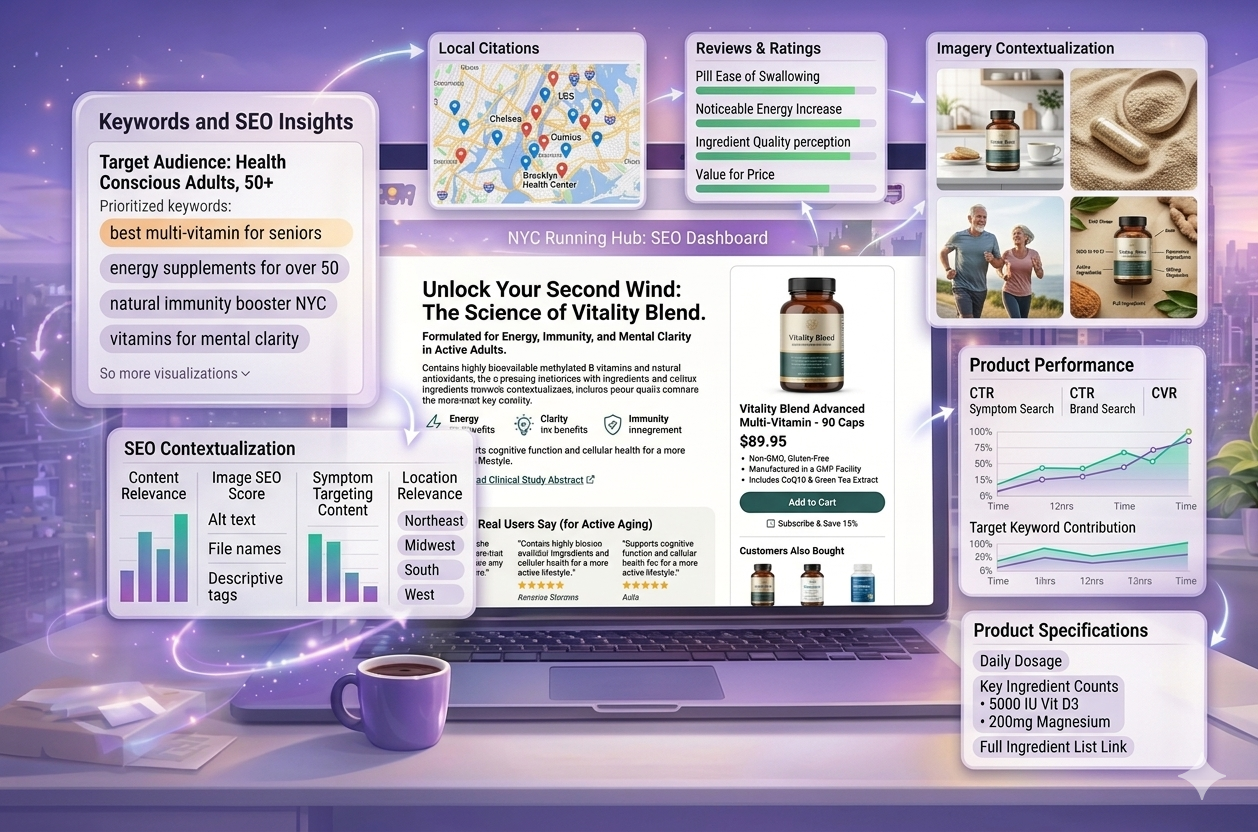
In the ever-evolving realm of ecommerce, driving substantial revenue growth is contingent upon a strategic approach that integrates seamless technology and innovative methodologies. Among the various platforms available, BigCommerce stands out as a powerful tool for ecommerce brands seeking to expand their online presence and boost revenue through organic growth. This article delves into the technical nuances of leveraging Landing Page Ecommerce with BigCommerce, providing insights into essential strategies such as eCommerce SEO, SEO Audit, Keyword Research, Local SEO, Organic Growth, Contextual Placement, Content Creation, Citations, and Brand Reputation. By recognizing these key elements, ecommerce brands can harness the full potential of BigCommerce to attract qualified traffic and increase conversions, ultimately maximizing revenue streams.
ECommerce SEO
– Implementing a comprehensive SEO strategy tailored specifically for ecommerce is crucial for maximizing online visibility and reaching potential customers.
– Utilize advanced SEO tools within BigCommerce to optimize product pages, meta descriptions, and URLs for improved search engine rankings.
– Leverage schema markup to enhance the display of product information in search results, enriching the user experience and driving higher click-through rates.
SEO Audit
– Conducting a thorough SEO audit is imperative to identify potential issues that may hinder the performance of an ecommerce website.
– Utilize BigCommerce’s built-in auditing features to assess the site’s technical SEO elements, such as page load speed, mobile-friendliness, and indexability.
– Addressing any identified issues promptly can significantly improve the site’s overall SEO health and enhance its competitiveness in search engine rankings.
Keyword Research
– In-depth keyword research is fundamental to recognizing the search behavior of potential customers and aligning the website’s content with their preferences.
– Utilize BigCommerce’s integrated keyword research tools to identify high-value keywords relevant to the products or services offered.
– Incorporate long-tail keywords into product descriptions and category pages to capture niche search queries and drive targeted traffic to the ecommerce site.
Local SEO
– For ecommerce brands with physical locations or specific geographic targets, optimizing for local search is paramount to capturing local customer interest.
– Utilize BigCommerce’s local SEO features to create location-specific landing pages and optimize business listings for improved visibility in local search results.
– Implementing local schema markup and acquiring local citations can bolster the brand’s presence in local search, driving foot traffic and online conversions.
Organic Growth
– Embracing a holistic approach to organic growth involves constantly refining the website’s content, user experience, and technical elements to align with evolving search algorithms.
– Leverage BigCommerce’s AI-powered insights to identify opportunities for organic growth and refine the website’s structure and content accordingly.
– By consistently adapting to changes in search trends and user behavior, ecommerce brands can achieve sustained organic growth and maximize revenue potential.
Contextual Placement
– Strategic placement of relevant keywords and content within the ecommerce site is essential for signaling relevance to search engines and enhancing user engagement.
– Utilize BigCommerce’s content management capabilities to seamlessly integrate targeted keywords into product descriptions, blog posts, and landing pages.
– Implementing contextual interlinking and structured data markup can further enhance the website’s contextual relevance, strengthening its position in search results.
Content Creation
– Compelling and informative content plays a pivotal role in engaging potential customers and establishing the ecommerce brand as an authoritative resource in its niche.
– Utilize BigCommerce’s intuitive content creation tools to develop engaging product descriptions, blog posts, and guides that resonate with the target audience.
– Incorporate multimedia elements, such as videos and infographics, to enrich the user experience and foster deeper connections with potential customers.
Citations
– Building a robust citation profile across authoritative online directories and platforms is essential for establishing the ecommerce brand’s credibility and relevance.
– Utilize BigCommerce’s integrations with citation management tools to ensure consistent and accurate business information across various online directories.
– Acquiring positive reviews and testimonials from satisfied customers can further enhance the brand’s reputation and visibility in local search results.
Brand Reputation
– Cultivating a strong brand reputation is integral to fostering trust and credibility among potential customers, ultimately driving higher conversion rates.
– Utilize BigCommerce’s social proof integrations to showcase customer testimonials, ratings, and reviews prominently on product pages and throughout the site.
– Actively engage with customers on social media and address any feedback, both positive and negative, to demonstrate the brand’s commitment to customer satisfaction.
Harnessing the full potential of BigCommerce for ecommerce growth entails a strategic blend of technical expertise, content optimization, and audience engagement. By leveraging the platform’s robust features and integrations, ecommerce brands can position themselves for sustained organic growth, increased visibility, and ultimately, heightened revenue generation.