


Complete Guide to How To Rank High In Google Search
Ranking high in Google search results is crucial for driving organic traffic and boosting sales. For ecommerce brands using Shopify, implementing effective SEO strategies can significantly enhance online visibility and attract potential customers. This comprehensive guide delves into the intricacies of ecommerce SEO, providing valuable insights and actionable steps to help Shopify users maximize their online presence and drive revenue growth.
ECommerce SEO
As ecommerce continues to thrive, mastering the art of ecommerce SEO is essential for staying ahead of the competition. With the right strategies in place, Shopify users can optimize their online stores to rank prominently in search engine results, attracting a steady stream of potential customers. Here’s how to leverage ecommerce SEO effectively:
– Implementing technical SEO optimizations to enhance website performance and user experience
– Optimizing product pages with relevant keywords, high-quality images, and compelling product descriptions
– Creating a seamless navigation structure to improve user engagement and facilitate easy browsing
– Leveraging schema markup to provide search engines with valuable information about products and services
– Utilizing Shopify’s built-in SEO features to optimize meta titles, descriptions, and URLs for improved search visibility
SEO Audit
Conducting a comprehensive SEO audit is the first step towards enhancing a Shopify store’s search engine performance. By identifying strengths, weaknesses, and areas for improvement, brands can develop a tailored SEO strategy to boost their online presence. Here’s what an SEO audit for Shopify entails:
– Analyzing website speed and performance to ensure optimal user experience
– Assessing the website’s mobile-friendliness and responsiveness across various devices
– Evaluating the site structure, internal linking, and navigation for enhanced user engagement
– Reviewing on-page SEO elements, including meta tags, headers, and content quality
– Identifying and addressing technical issues that may hinder search engine crawling and indexing
Keyword Research
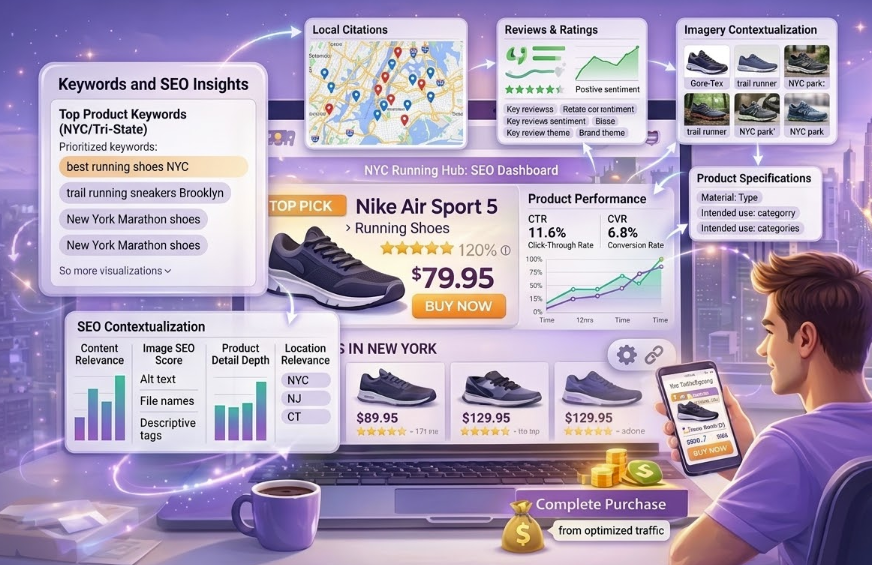
Effective keyword research forms the foundation of a successful SEO strategy for Shopify ecommerce brands. By recognizing the search intent of potential customers, brands can target relevant keywords and optimize their content to align with user queries. Here’s how to conduct impactful keyword research for Shopify stores:
– Identifying high-intent keywords related to product offerings and target audience preferences
– Analyzing search volume, competition, and keyword difficulty to prioritize strategic keywords
– Leveraging long-tail keywords to capture specific search queries and drive qualified traffic
– Incorporating keywords naturally into product descriptions, category pages, and blog content
– Monitoring keyword performance and adapting strategies based on search trends and user behavior
Local SEO
For ecommerce brands with a physical presence or serving specific geographic regions, local SEO is paramount for attracting local customers and driving foot traffic to brick-and-mortar stores. Shopify users can optimize their local SEO efforts to enhance visibility in local search results. Here’s how to leverage local SEO for Shopify:
– Claiming and optimizing Google My Business listing with accurate business information and engaging visuals
– Incorporating location-based keywords and geo-targeted content to appeal to local audiences
– Cultivating positive customer reviews and testimonials to build credibility and trust within the local community
– Implementing structured data markup for local businesses to enhance search engine visibility
– Utilizing Shopify’s local SEO features to create location-specific landing pages and optimize store information for local relevance
Organic Growth
Achieving sustainable organic growth is a primary objective for ecommerce brands utilizing Shopify. By implementing holistic SEO strategies and consistently delivering value to customers, brands can cultivate long-term success and maximize their online presence. Here’s how Shopify users can facilitate organic growth through effective SEO:
– Creating high-quality, original content that resonates with target audiences and addresses their needs
– Developing a comprehensive link-building strategy to earn authoritative backlinks and enhance domain authority
– Monitoring website analytics and key performance indicators to track SEO progress and identify growth opportunities
– Staying updated with search engine algorithm changes and industry trends to adapt SEO strategies proactively
– Leveraging AI-powered SEO tools and insights to gain a competitive edge and maximize organic growth potential
Contextual Placement
Contextual placement of keywords and content plays a pivotal role in enhancing the relevance and authority of a Shopify store’s online presence. By strategically placing content within the right context, brands can improve their visibility and credibility in search results. Here’s how to leverage contextual placement for Shopify SEO:
– Crafting compelling and informative content that aligns with the target audience’s interests and search intent
– Incorporating relevant keywords seamlessly within content, headings, and meta tags to enhance topical relevance
– Focusing on user experience and readability to ensure that content resonates with both users and search engines
– Leveraging internal linking to establish thematic connections between related content and enhance website authority
– Utilizing structured data markup to provide context and additional information about products, services, and business operations
Content Creation
Creating valuable and engaging content is paramount for building a robust online presence and attracting potential customers to Shopify stores. By consistently delivering high-quality content that addresses customer needs, brands can establish themselves as industry authorities and capture organic search traffic. Here’s how to approach content creation for Shopify SEO:
– Developing a content strategy that aligns with the brand’s values, target audience, and business objectives
– Crafting informative blog posts, product guides, and how-to articles that provide practical solutions and insights
– Incorporating multimedia elements such as videos, infographics, and interactive content to enhance engagement
– Optimizing content for featured snippets and rich results to secure prominent placement in search results
– Leveraging user-generated content and social proof to foster community engagement and brand advocacy
Citations
For local and regional ecommerce brands, citations play a crucial role in establishing credibility and authority within specific geographic areas. By securing accurate and consistent citations across online directories and platforms, Shopify users can bolster their local SEO efforts and build trust with potential customers. Here’s how to effectively manage citations for Shopify stores:
– Ensuring that business information such as name, address, and phone number (P) is consistent across all citations
– Claiming and optimizing listings on relevant local directories, review platforms, and industry-specific websites
– Leveraging location-based citations to reinforce the brand’s presence within target geographic regions
– Monitoring and managing online reviews and citations to address inaccuracies and maintain a positive brand image
– Partnering with local businesses and organizations to earn valuable citations and support community initiatives
Brand Reputation
A strong brand reputation is synonymous with trust, credibility, and customer loyalty, all of which are essential for driving online visibility and revenue growth. Shopify brands can cultivate a positive brand reputation through effective reputation management strategies that prioritize customer satisfaction and engagement. Here’s how to enhance brand reputation for Shopify ecommerce stores:
– Providing exceptional customer service and addressing inquiries, feedback, and reviews promptly and professionally
– Encouraging satisfied customers to leave positive reviews and testimonials across relevant review platforms and social media channels
– Monitoring brand mentions and online conversations to address customer concerns and maintain a positive brand image
– Cultivating a consistent brand voice and visual identity across all online touchpoints to build brand recognition and trust
– Leveraging customer feedback and insights to continuously improve products, services, and the overall customer experience
To summarize
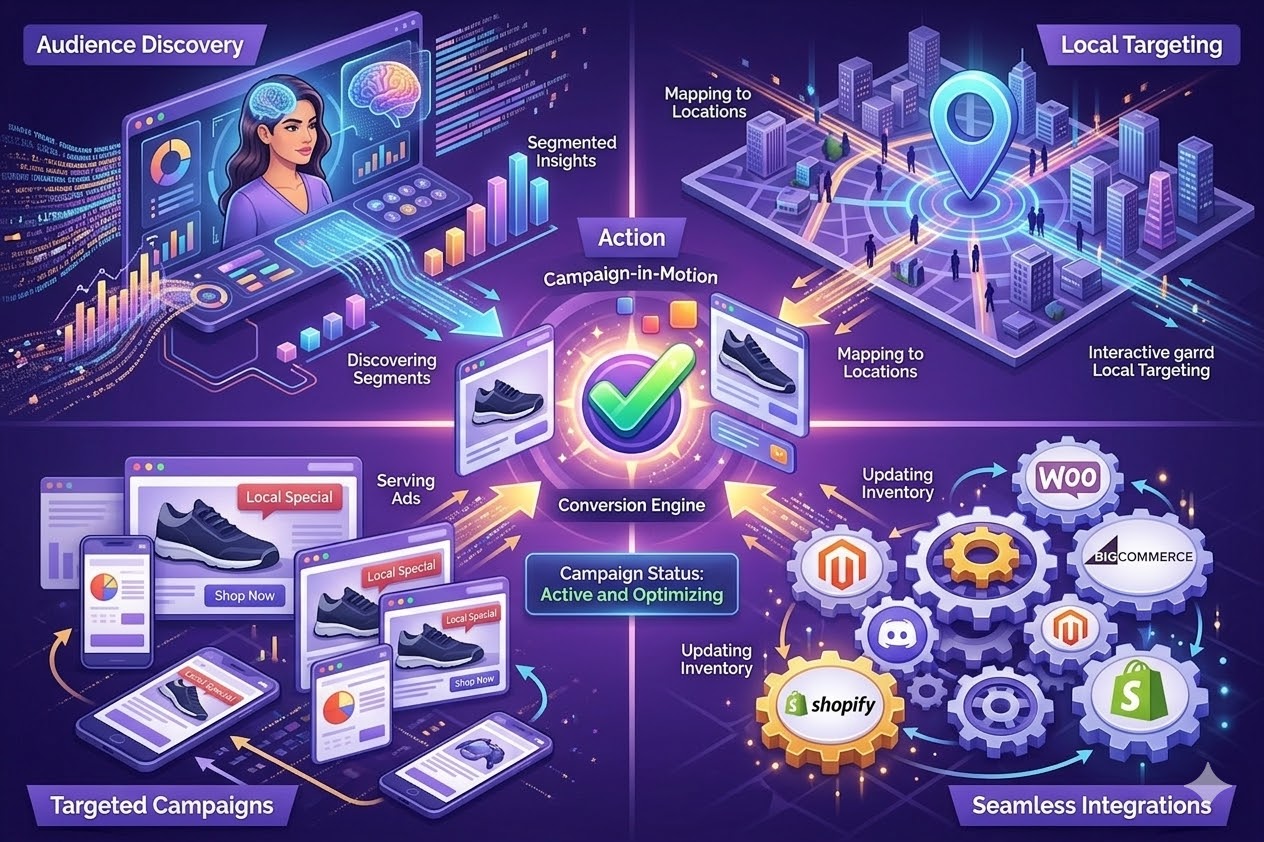
Achieving high rankings in Google search results is a multi-faceted endeavor that requires a strategic combination of technical expertise, compelling content, and a customer-centric approach. For ecommerce brands using Shopify, harnessing the power of AI-driven SEO, localized targeting, and audience insights is crucial for optimizing their online presence and driving sustainable revenue growth. By leveraging the insights and strategies outlined in this guide, Shopify users can position themselves for success in the competitive ecommerce landscape.