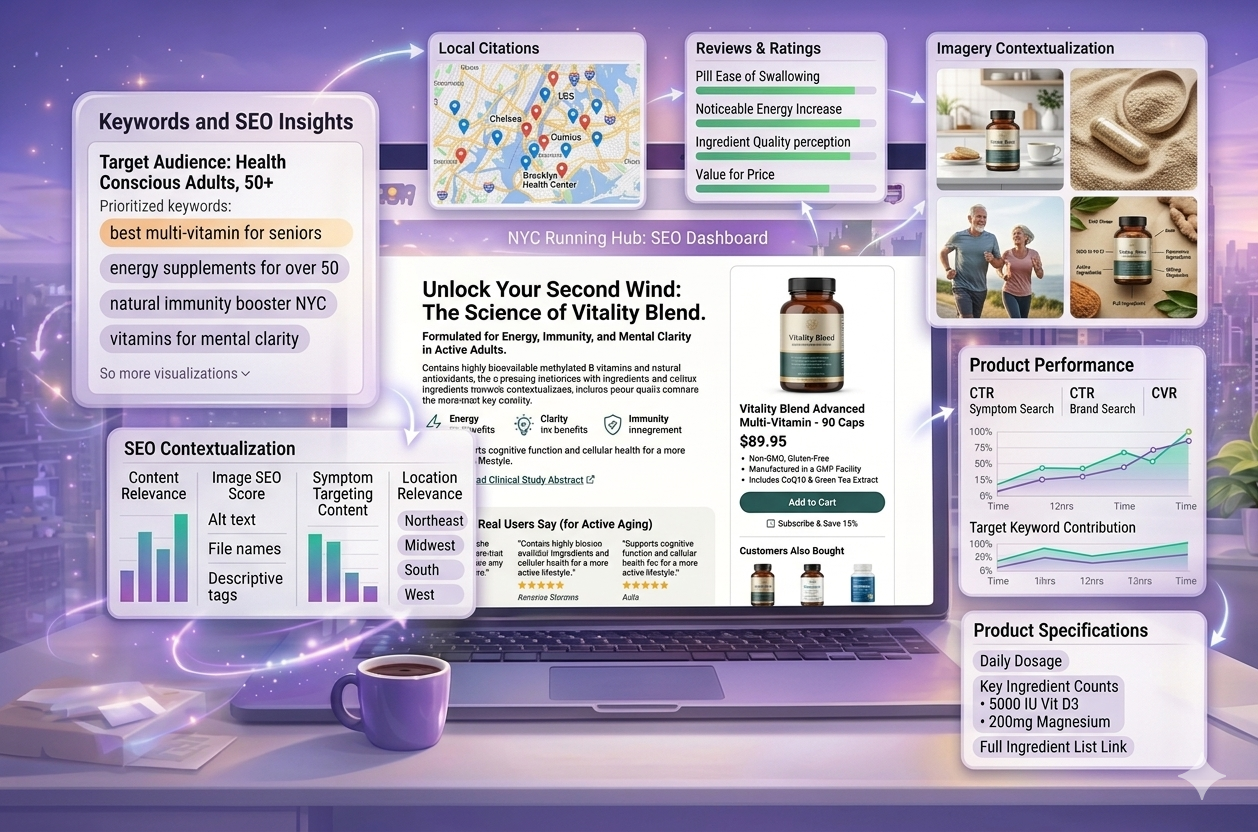


Complete Guide to How To Do Your Own SEO
Driving substantial organic traffic to your Shopify store is essential for sustainable growth. Embracing modern SEO techniques can significantly enhance your brand’s online presence and attract a steady stream of qualified leads. This guide will introduce you to advanced SEO strategies tailored for Shopify ecommerce, empowering you to take control of your brand’s digital footprint and drive meaningful revenue growth.
ECommerce SEO
Ecommerce SEO is a multifaceted approach to optimizing your online store for search engines, ensuring that your products and brand are easily discoverable by potential customers. With a focus on Shopify, here are some key aspects to consider when crafting an effective ecommerce SEO strategy:
– Implementing structured data markup to enhance rich snippets and improve product visibility in search results.
– Optimizing product descriptions and metadata with relevant keywords to improve organic search ranking.
– Leveraging Shopify’s built-in SEO features, such as customizable URL structures and meta tags, to maximize search engine visibility.
– Utilizing Shopify’s responsive and mobile-friendly themes to enhance user experience, which in turn positively impacts SEO performance.
SEO Audit
Conducting a comprehensive SEO audit of your Shopify store is crucial for identifying areas of improvement and establishing a solid foundation for ongoing optimization efforts. Consider the following steps when performing a thorough SEO audit:
– Analyzing site speed and performance to ensure optimal user experience and search engine crawlability.
– Reviewing site architecture and navigation to streamline the user journey and improve overall site accessibility.
– Assessing on-page elements, including title tags, headings, and image alt text, to align with targeted keywords and improve search visibility.
– Identifying and addressing any technical SEO issues, such as broken links, duplicate content, or crawl errors, that may hinder search engine indexing and ranking.
Keyword Research
Effective keyword research is fundamental to a successful SEO strategy, allowing you to identify high-value terms and phrases that resonate with your target audience. When conducting keyword research for your Shopify ecommerce store, focus on the following key considerations:
– Identifying long-tail keywords with commercial intent that align with your product offerings and target audience’s search behavior.
– Leveraging keyword research tools to uncover relevant search queries and assess their search volume, competition, and potential impact on organic traffic.
– Mapping keyword clusters to specific product categories and landing pages to create a cohesive content strategy that aligns with user search intent and navigational needs.
– Monitoring keyword performance and adapting your strategy based on evolving search trends and competitive landscape changes.
Local SEO
For ecommerce brands with physical locations or those targeting local markets, incorporating local SEO strategies into your Shopify store can significantly enhance visibility within geographically targeted search results. Consider the following tactics to optimize your local SEO presence:
– Claiming and optimizing your Google My Business profile to ensure accurate business information, customer reviews, and local map visibility.
– Implementing location-based keyword targeting and creating localized landing pages to cater to specific geographic markets and enhance search relevance.
– Leveraging structured data markup to include location-specific schema and enhance search engine realizing of your business’s physical presence and service areas.
– Encouraging user-generated content and local reviews to cultivate positive social proof and enhance local search visibility and credibility.
Organic Growth
Achieving sustainable organic growth for your Shopify ecommerce store requires a holistic approach that encompasses various SEO elements, content strategies, and audience engagement tactics. Here are some key principles to foster organic growth:
– Focusing on creating high-quality, user-centric content that addresses customer needs, provides valuable insights, and aligns with search intent.
– Establishing a robust internal linking structure to guide users through relevant product categories, enhance site navigation, and distribute link equity across your Shopify store.
– Embracing social media integration and content amplification to extend your brand’s reach, drive engagement, and cultivate a loyal customer community.
– Incorporating data-driven insights and audience segmentation to personalize the user experience, increase customer retention, and drive repeat purchases.
Contextual Placement
The strategic placement of relevant content and optimized elements across your Shopify store plays a pivotal role in enhancing search visibility and user engagement. Consider these contextual placement best practices for your ecommerce SEO strategy:
– Optimizing product titles, descriptions, and images with targeted keywords to align with user search intent and improve organic search relevance.
– Implementing structured data markup for product reviews, ratings, and availability to enhance search result visibility and enrich user experience.
– Incorporating contextual internal linking to guide users through related products, complementary offerings, and informative resources that support their purchase decisions.
– Utilizing Shopify’s content management capabilities to create compelling landing pages, blog posts, and resource hubs that resonate with your target audience and reinforce brand authority.
Content Creation
Compelling and engaging content lies at the heart of a successful Shopify ecommerce SEO strategy, serving as a valuable asset for attracting, informing, and converting potential customers. Here are some content creation principles to guide your SEO efforts:
– Crafting informative product guides, how-to articles, and in-depth resources that address common customer queries and establish your brand as an industry authority.
– Creating visually appealing and shareable content, such as infographics, videos, and interactive experiences, to diversify your content offering and enhance user engagement.
– Incorporating user-generated content, customer testimonials, and case studies to provide social proof, encourage trust, and facilitate informed purchase decisions.
– Regularly updating and refreshing existing content to reflect evolving industry trends, address emerging customer needs, and maintain search relevance and visibility.
Citations
Building a robust network of citations and references across relevant online platforms and directories can significantly enhance your Shopify store’s local and industry visibility. Consider these citation strategies to strengthen your brand’s digital footprint:
– Consistently maintaining accurate and up-to-date business information across local directories, review sites, and industry-specific platforms to enhance brand credibility and trustworthiness.
– Leveraging local citations and mentions in geo-targeted publications, community resources, and event listings to reinforce your brand’s local relevance and visibility.
– Encouraging customer reviews and testimonials across authoritative review platforms and customer feedback aggregators to cultivate positive sentiment and social proof.
– Monitoring and managing your brand’s online reputation by promptly addressing any negative feedback, inaccurate citations, or misleading information to maintain a positive digital presence.
Brand Reputation
Your Shopify store’s brand reputation and online credibility play a pivotal role in shaping consumer perception, trust, and purchase decisions. Consider these brand reputation management strategies to bolster your ecommerce SEO efforts:
– Cultivating a strong and authentic brand voice across your website, social media channels, and customer communications to foster brand recognition and loyalty.
– Monitoring and responding to customer feedback, inquiries, and reviews in a timely and personalized manner to demonstrate attentiveness and commitment to customer satisfaction.
– Engaging in thought leadership activities, industry partnerships, and collaborative initiatives to position your brand as a trusted authority within your niche and foster positive industry relationships.
– Leveraging user-generated content, influencer collaborations, and brand advocacy programs to amplify positive brand sentiment, encourage word-of-mouth marketing, and enhance overall brand reputation.
Incorporating these advanced SEO strategies into your Shopify ecommerce endeavors can yield substantial benefits, empowering your brand to expand its digital footprint, attract qualified traffic, and drive meaningful conversions. By leveraging AI-powered SEO, localized targeting, audience insights, and seamless integrations, ecommerce brands can unlock new revenue channels and establish a strong competitive edge in the online marketplace.