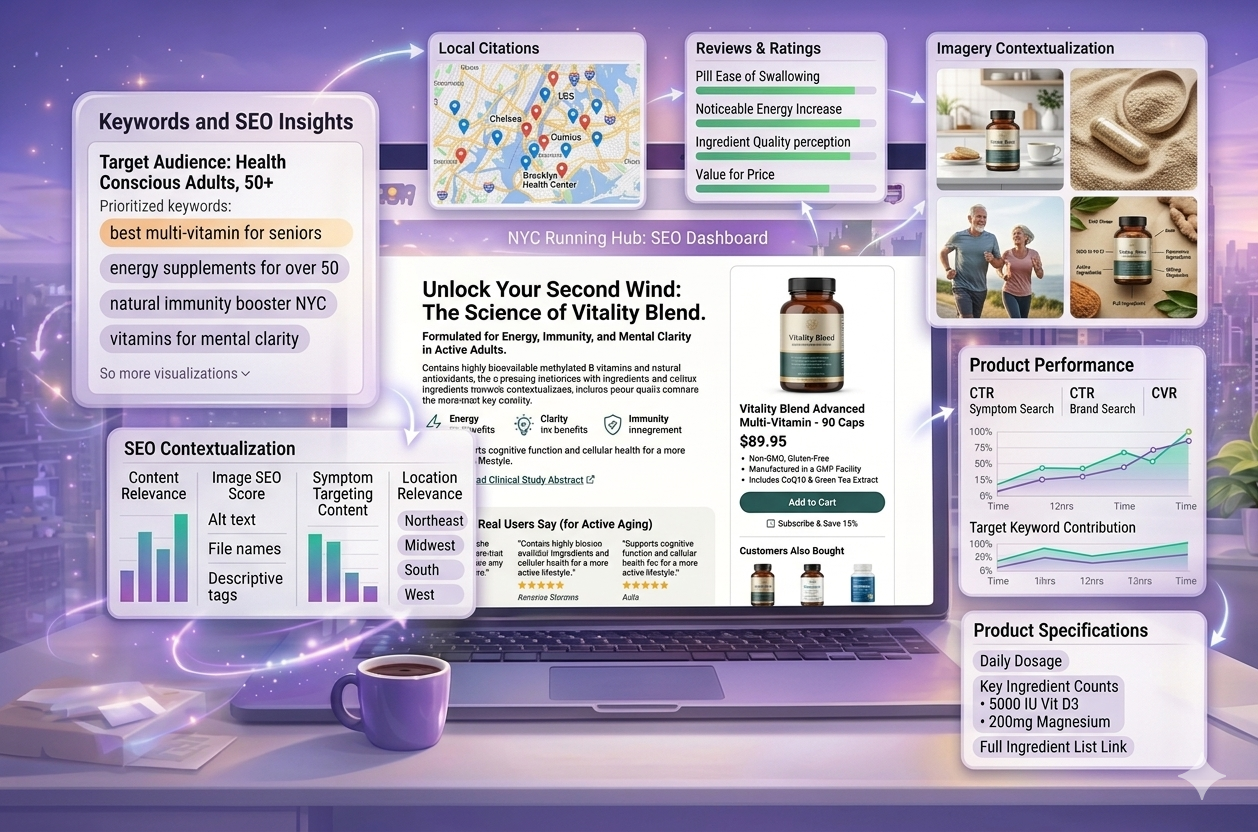


Complete Guide to How To Create An SEO Plan
In the competitive world of e-commerce, maximizing your online visibility is crucial for success. With the right SEO plan, you can significantly enhance your Shopify store’s online presence, attract more qualified traffic, and ultimately drive higher conversions. At BrandThat, we understand the importance of a robust SEO strategy tailored specifically for e-commerce brands. Our AI-powered approach, combined with localized targeting and audience insights, is designed to help you achieve sustainable organic growth. In this comprehensive guide, we will walk you through the essential steps to create a successful SEO plan for your Shopify store, covering key aspects such as e-commerce SEO, SEO audit, keyword research, local SEO, organic growth, contextual placement, content creation, citations, and brand reputation.
ECommerce SEO
When it comes to e-commerce, SEO plays a pivotal role in ensuring your products and services are discoverable by potential customers. With the right e-commerce SEO strategy, you can optimize your product pages, category pages, and content to rank higher on search engine results pages (SERPs), driving more organic traffic to your Shopify store.
– Conduct thorough keyword research to identify high-value, relevant keywords for your products and categories.
– Optimize product descriptions, meta titles, and meta descriptions with targeted keywords to improve search visibility.
– Implement structured data markup to enhance the appearance of your products in search results, increasing click-through rates.
SEO Audit
Before crafting your SEO plan, it’s essential to conduct a comprehensive SEO audit of your Shopify store to identify any technical issues or areas for improvement. An SEO audit will provide valuable insights into your site’s performance and highlight opportunities for optimization.
– Evaluate site speed, mobile-friendliness, and overall user experience to ensure optimal performance.
– Identify and fix any broken links, duplicate content, and crawl errors that could hinder search engine visibility.
– Review your site’s architecture and navigation to ensure it is conducive to effective SEO practices.
Keyword Research
Keyword research forms the foundation of any successful SEO strategy. By appreciating the search terms and phrases your target audience uses, you can optimize your content and product pages to align with their intent, driving relevant traffic to your Shopify store.
– Utilize keyword research tools to identify relevant, high-volume keywords with moderate to low competition.
– Analyze long-tail keywords and semantic variations to capture specific search queries related to your products and services.
– Group keywords into thematic clusters to guide content creation and on-page optimization efforts.
Local SEO
For e-commerce brands with physical stores or localized offerings, local SEO is essential for capturing local search traffic and driving foot traffic to brick-and-mortar locations. With a strong local SEO strategy, you can enhance your visibility in local search results and connect with nearby potential customers.
– Claim and optimize your Google My Business listing to ensure accurate information and enhanced local visibility.
– Encourage customer reviews and citations from local directories to build trust and authority within your target geographic area.
– Leverage location-based keywords and geo-targeted content to tailor your website to local search intent.
Organic Growth
Organic growth is the cornerstone of sustainable e-commerce success. By focusing on building a strong organic presence through strategic SEO initiatives, you can reduce reliance on paid advertising and develop a steady stream of qualified traffic and conversions.
– Create high-quality, informative content that addresses common pain points and questions within your industry.
– Build backlinks from reputable sources to strengthen your site’s authority and credibility in the eyes of search engines.
– Monitor and analyze organic traffic and user behavior to refine your SEO strategy and capitalize on emerging opportunities.
Contextual Placement
Contextual placement emphasizes the relevance and placement of keywords within your content to align with search intent effectively. By strategically integrating keywords within your content, you can enhance the context and relevancy of your pages, signaling their value to search engines.
– Incorporate targeted keywords naturally within product descriptions, blog posts, and category pages to enhance their SEO value.
– Utilize internal linking to connect related content and guide search engine crawlers through your site’s hierarchy.
– Optimize images and media with descriptive file names and alt text to improve accessibility and search visibility.
Content Creation
Compelling, informative content is a cornerstone of effective SEO for e-commerce. By creating engaging, relevant content that resonates with your target audience, you can attract and retain visitors while signaling authority to search engines.
– Develop a content calendar that aligns with your keyword strategy and customer journey, providing valuable information at each stage.
– Utilize diverse content formats such as videos, infographics, and how-to guides to cater to different audience preferences.
– Leverage user-generated content and customer testimonials to enhance authenticity and social proof.
Citations
Citations are mentions of your business name, address, and phone number (P) across the web. Consistent and accurate citations are crucial for local SEO and building trust with both search engines and potential customers.
– Ensure your P information is consistent across all online platforms, including directories, social media profiles, and review sites.
– Seek opportunities to be listed in industry-specific and local directories to increase your online visibility and credibility.
– Monitor and manage your citations to rectify any inaccuracies and maintain a strong digital footprint.
Brand Reputation
A positive brand reputation is instrumental in attracting and retaining customers, as well as influencing search engine rankings. By actively managing your brand’s online reputation, you can instill trust and authority in the eyes of both consumers and search engines.
– Monitor and respond to customer reviews and feedback across various platforms to demonstrate attentiveness and commitment to customer satisfaction.
– Cultivate a strong social media presence and engage with your audience to foster a community around your brand.
– Showcase testimonials and case studies on your website to highlight positive experiences and build credibility.
Crafting a robust SEO plan for your Shopify store is essential for driving sustainable organic growth and maximizing your online visibility. By leveraging the power of AI-powered SEO, localized targeting, and audience insights, you can position your e-commerce brand for long-term success in a competitive digital landscape.