

Complete Guide to Execute A Link Building Strategy
Brands are constantly seeking new ways to enhance their online visibility and drive revenue. One powerful strategy that can significantly impact a brand’s success is link building. When executed effectively, a robust link building strategy has the potential to elevate an ecommerce brand’s online presence, drive qualified traffic, and increase conversions. For ecommerce brands utilizing Shopify, implementing a strategic link building approach can be a game-changer in achieving sustained growth and success in the digital marketplace.
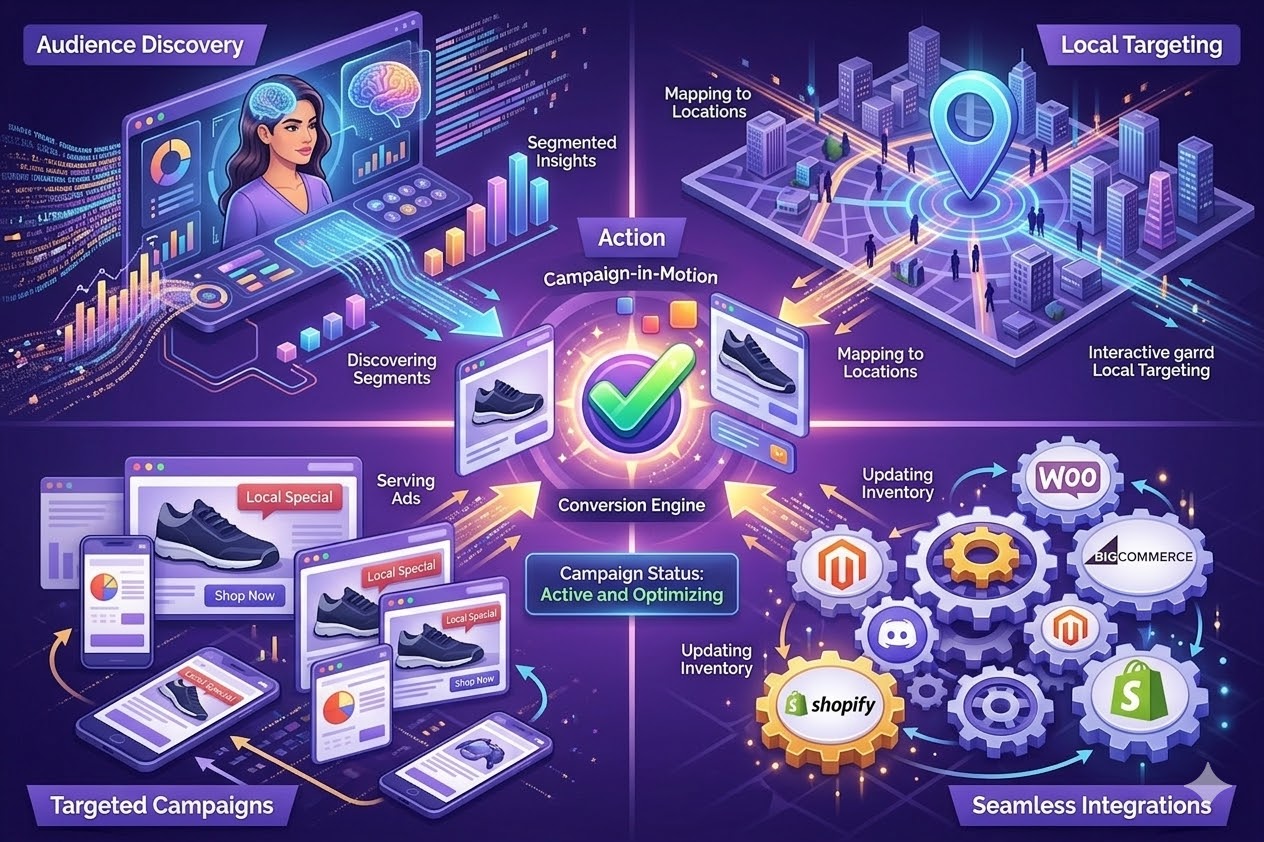
BrandThat is committed to empowering ecommerce brands with cutting-edge solutions to maximize their online potential. Our comprehensive approach encompasses AI-powered SEO, localized targeting, audience insights, and seamless integrations to facilitate increased visibility, attract qualified traffic, and drive more conversions efficiently. As ecommerce brand owners seek to leverage the power of link building within the Shopify platform, it’s essential to understand the key components and best practices that contribute to a successful link building strategy.
ECommerce SEO
Achieving optimal visibility in the highly competitive ecommerce landscape requires a strategic approach to search engine optimization (SEO). Implementing an ecommerce SEO strategy tailored to Shopify’s platform involves the following key elements:
– Optimizing product descriptions and metadata to enhance organic search visibility
– Leveraging Shopify’s built-in SEO features to maximize product and category page optimization
– Implementing structured data markup for rich results in search engine listings
– Utilizing Shopify apps and plugins to streamline technical SEO elements such as page speed and mobile responsiveness
SEO Audit
Conducting a comprehensive SEO audit is crucial to identifying strengths, weaknesses, and untapped opportunities within an ecommerce website’s SEO performance. When conducting an SEO audit for a Shopify ecommerce site, key focus areas include:
– Assessing website structure, internal linking, and URL hierarchy for optimal crawlability and indexation
– Analyzing keyword targeting and content optimization to align with user search intent
– Evaluating technical SEO aspects, including site speed, mobile-friendliness, and structured data implementation
– Identifying and addressing any on-page and off-page SEO issues that may be impacting the site’s performance
Keyword Research
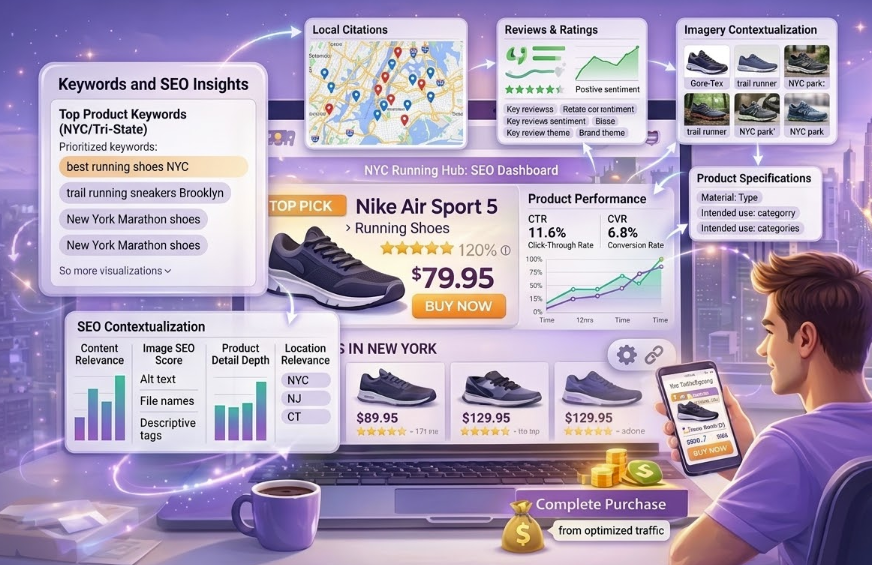
Effective keyword research is fundamental to a successful link building strategy for Shopify ecommerce brands. By realizing the search behavior of their target audience, ecommerce brand owners can strategically integrate relevant keywords into their content and link building efforts. Key considerations for keyword research on Shopify include:
– Identifying high-intent keywords related to product categories, specific products, and industry trends
– Leveraging Shopify’s keyword research tools and integrations to discover valuable keyword opportunities
– Conducting competitor analysis to uncover keyword gaps and opportunities for differentiation
– Incorporating long-tail keywords and localized search terms to align with the target audience’s search intent
Local SEO
For ecommerce brands with physical store locations or those targeting specific geographic markets, local SEO plays a pivotal role in driving targeted traffic and conversions. Shopify provides robust capabilities for implementing local SEO strategies, including:
– Optimizing Google My Business listings and local directories to enhance local visibility
– Leveraging location-based keywords and content to connect with local audiences
– Implementing structured data for location-specific rich results in search engine listings
– Utilizing Shopify’s geo-targeting features to deliver customized experiences based on user location
Organic Growth
Link building serves as a fundamental pillar of organic growth for ecommerce brands on the Shopify platform. By acquiring high-quality, relevant backlinks from authoritative sources, ecommerce brands can enhance their domain authority, increase referral traffic, and establish credibility within their industry. Key strategies for achieving organic growth through link building include:
– Creating compelling, shareable content to attract natural backlinks from reputable websites
– Engaging in strategic outreach to industry influencers, bloggers, and relevant publications for link acquisition
– Leveraging Shopify’s content marketing capabilities to amplify the reach of link-worthy content
– Monitoring and analyzing backlink performance to continually refine and enhance the link building strategy
Contextual Placement
The strategic placement of contextual backlinks within relevant, authoritative content is a cornerstone of effective link building for Shopify ecommerce brands. Contextual placement involves the following best practices:
– Identifying high-quality websites, blogs, and online publications within the ecommerce industry for link placement
– Crafting engaging, informative content that naturally integrates contextual backlinks to the ecommerce brand’s website
– Ensuring that contextual backlinks are seamlessly woven into the narrative of the linking content, providing genuine value to the reader
– Monitoring the contextual relevance and performance of placed backlinks to measure their impact on organic traffic and conversions
Content Creation
Compelling, valuable content lies at the heart of a successful link building strategy for Shopify ecommerce brands. By consistently producing high-quality, relevant content, ecommerce brand owners can attract organic backlinks and establish thought leadership within their industry. Key considerations for content creation on Shopify include:
– Developing a content calendar aligned with relevant industry trends, product launches, and seasonal promotions
– Diversifying content formats, including articles, infographics, videos, and interactive media to cater to varied audience preferences
– Leveraging user-generated content, customer testimonials, and product reviews to foster authentic engagement and social proof
– Implementing Shopify’s content management features to optimize on-page content for search visibility and user engagement
Citations
In the realm of local SEO and ecommerce, citations play a crucial role in establishing an ecommerce brand’s authority and credibility within specific geographic markets. Key considerations for leveraging citations within a Shopify link building strategy include:
– Ensuring consistent P (Name, Address, Phone Number) information across online directories and local listings
– Claiming and optimizing Google My Business, Yelp, and other relevant citation sources to enhance local visibility
– Cultivating positive reviews and testimonials on citation platforms to build trust and credibility with local consumers
– Monitoring and managing citations to address any inconsistencies and inaccuracies that may impact local SEO performance
Brand Reputation
A strong brand reputation is integral to the success of an ecommerce brand, and effective link building can significantly impact brand perception and credibility. Strategies for building and managing brand reputation on Shopify through link building include:
– Engaging in proactive online reputation management to address and mitigate negative brand mentions and reviews
– Leveraging link building efforts to secure backlinks from reputable, authoritative sources that enhance brand credibility
– Showcasing positive press coverage, industry awards, and accolades through strategic link placements to bolster brand reputation
– Monitoring brand mentions, social sentiment, and backlink quality to uphold a positive and influential brand image
Executing a comprehensive link building strategy tailored to the Shopify ecommerce platform is essential for driving sustained growth, enhancing online visibility, and increasing revenue. By leveraging the power of AI-powered SEO, audience insights, and localized targeting, ecommerce brands can strategically integrate link building into their digital marketing efforts to achieve long-term success in the competitive online marketplace.