

Complete Guide to Ecommerce Website Search Engine
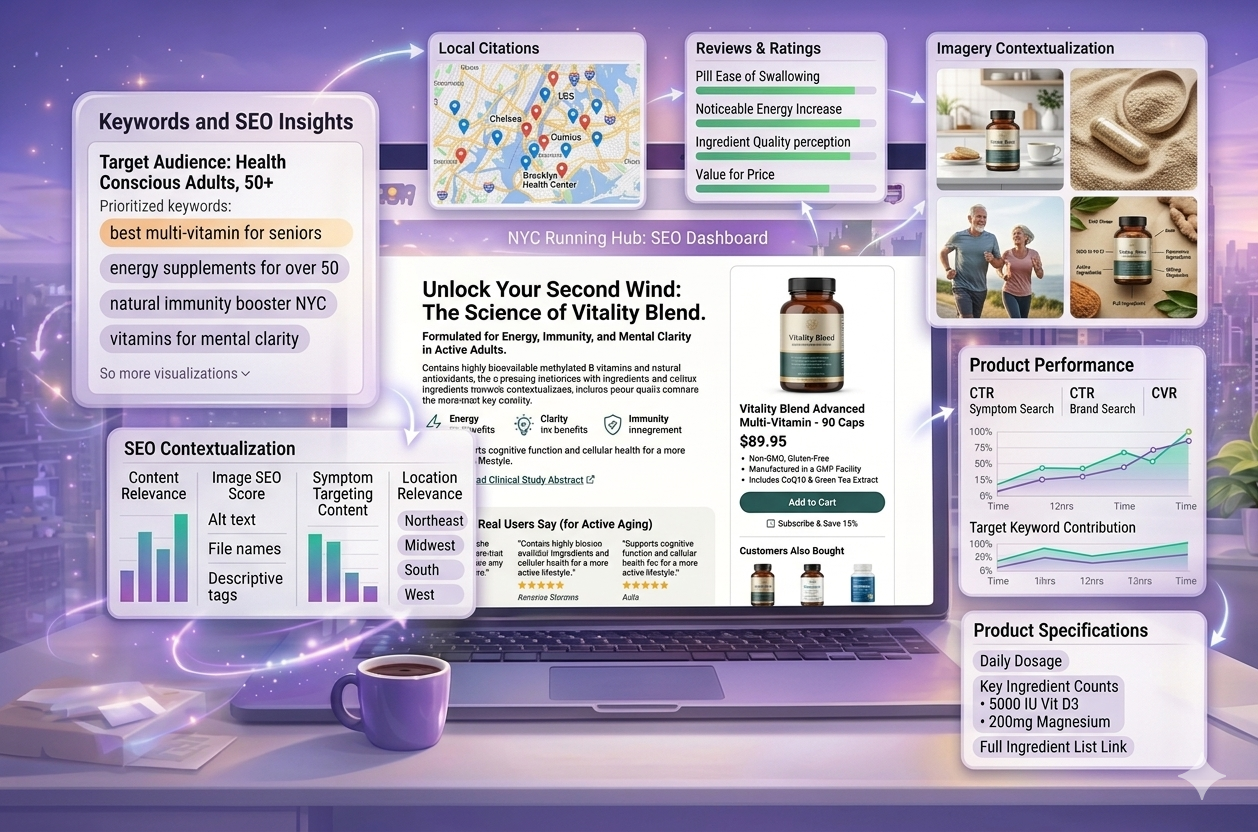
Brands are constantly seeking new ways to enhance their online visibility and drive revenue. For Shopify brands, leveraging the power of Ecommerce Website Search Engine can be a game-changer. By optimizing your website for search engines, you can attract more qualified traffic, improve conversion rates, and ultimately increase revenue.
ECommerce SEO
Ecommerce SEO is a crucial aspect of driving organic traffic to your Shopify store. By optimizing product pages, meta descriptions, and other on-page elements, you can improve your site’s visibility on search engines. Ecommerce SEO also involves enhancing user experience, which can lead to higher engagement and conversions.
SEO Audit
An SEO audit is essential for realizing the current state of your website’s search engine optimization. It involves a comprehensive analysis of on-page and off-page factors, technical issues, and content quality. By conducting an SEO audit, Shopify brands can identify areas for improvement and develop a strategic plan to enhance their search engine visibility.
Keyword Research
Effective keyword research is fundamental to driving organic traffic and targeting the right audience. By identifying relevant keywords with high search volume and low competition, Shopify brands can optimize their content and product pages to rank higher in search results. This can lead to increased exposure and more qualified leads.
Local SEO
For Shopify brands with physical locations or serving specific geographic areas, local SEO is crucial. Optimizing for local search can help drive foot traffic to brick-and-mortar stores and attract nearby online customers. By leveraging local SEO strategies, such as creating location-specific landing pages and optimizing Google My Business profiles, brands can strengthen their online presence within their target markets.
Organic Growth
Achieving organic growth is a top priority for ecommerce brands looking to expand their online reach. By focusing on Ecommerce Website Search Engine optimization and other organic strategies, Shopify brands can reduce their reliance on paid advertising and build a sustainable source of revenue. Organic growth also fosters brand loyalty and long-term customer relationships.
Contextual Placement
Contextual placement of keywords and content is essential for signaling relevance to search engines. By strategically placing keywords within product descriptions, blog posts, and other content, Shopify brands can improve their chances of ranking for specific search queries. Contextual placement also enhances the user experience by delivering valuable and targeted information to website visitors.
Content Creation
Compelling and informative content is a cornerstone of successful Ecommerce Website Search Engine optimization. By creating high-quality blog posts, product guides, and other valuable resources, Shopify brands can attract organic traffic and establish themselves as industry authorities. Content creation also contributes to building a loyal customer base and nurturing repeat business.
Citations
Citations, or online mentions of a business’s name, address, and phone number, are critical for local SEO and establishing credibility. By ensuring consistent and accurate citations across various online directories and platforms, Shopify brands can improve their visibility in local search results and build trust with potential customers. Citations also contribute to a strong brand reputation and legitimacy.
Brand Reputation
A positive brand reputation is essential for attracting and retaining customers. With the help of Ecommerce Website Search Engine optimization, Shopify brands can proactively manage their online reputation by generating positive reviews, addressing customer concerns, and showcasing their expertise through content marketing. A strong brand reputation can significantly impact organic traffic and conversion rates.
Leveraging Ecommerce Website Search Engine optimization is essential for Shopify brands looking to maximize their online visibility and drive revenue through organic growth. By focusing on eCommerce SEO, conducting SEO audits, performing keyword research, optimizing for local SEO, and strategically implementing contextual placement and content creation, brands can establish a strong online presence and attract qualified traffic. The result is increased conversions and sustainable revenue growth.