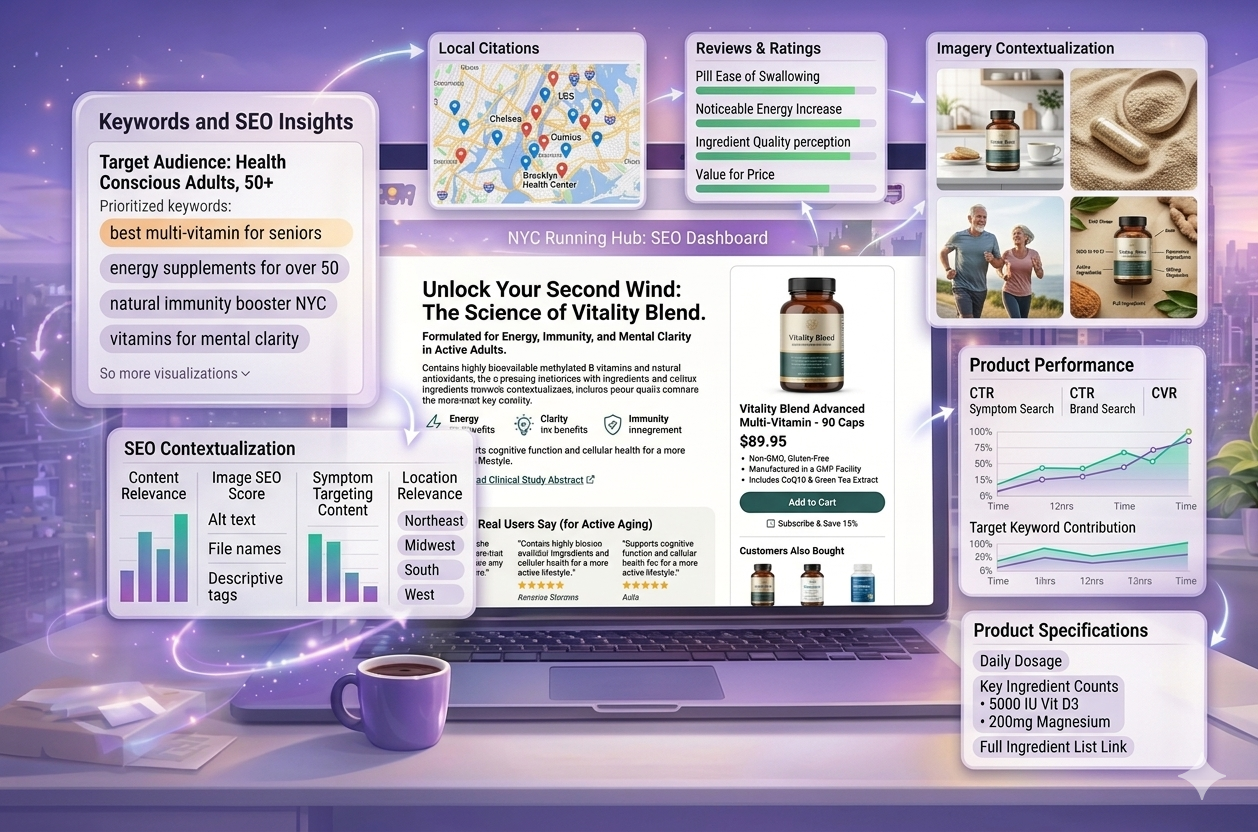


Complete Guide to Ecommerce Website Marketing
A robust ecommerce website marketing strategy is essential for achieving sustained success. With the proliferation of online shopping, it’s crucial for ecommerce brands to leverage the power of search engine optimization (SEO) to enhance their visibility, attract qualified traffic, and drive conversions. Shopify, as a leading ecommerce platform, offers a range of tools and features to support effective marketing initiatives. This comprehensive guide delves into the key elements of ecommerce website marketing as they relate to Shopify, equipping you with the knowledge and insights to optimize your online store and maximize its potential for growth.
ECommerce SEO
Effective ecommerce SEO is the cornerstone of a successful online marketing strategy. By optimizing your Shopify store for search engines, you can improve your website’s visibility and attract organic traffic. Key elements of ecommerce SEO include:
– On-page optimization: Enhance product pages and category descriptions with relevant keywords, compelling meta tags, and optimized images to improve search engine rankings.
– Technical SEO: Ensure that your Shopify store is technically sound, with proper site structure, fast loading times, and mobile responsiveness.
– Content strategy: Develop high-quality, informative content that engages and educates your audience while incorporating targeted keywords to improve search visibility.
SEO Audit
Conducting a thorough SEO audit of your Shopify store is crucial for identifying areas for improvement and implementing strategic optimizations. An SEO audit involves:
– Assessing website performance: Analyze site speed, mobile-friendliness, and overall user experience to identify potential areas of enhancement.
– Keyword analysis: Evaluate the effectiveness of your current keyword strategy and identify opportunities for targeting high-value search terms.
– Competitor analysis: Gain insights into the SEO strategies of your competitors to refine your own approach and stay ahead in the market.
Keyword Research
Keyword research is the foundation of a successful ecommerce SEO strategy. By conducting comprehensive keyword research, you can identify the most relevant and high-performing keywords for your Shopify store. Key aspects of keyword research include:
– Identifying search intent: Understand the motivations behind user searches to align your keyword strategy with users’ needs and preferences.
– Long-tail keyword targeting: Leverage long-tail keywords to capture specific, high-intent search queries and attract qualified traffic to your store.
– Competitive keyword analysis: Analyze the keyword landscape within your industry to uncover opportunities for targeting valuable search terms.
Local SEO
For ecommerce brands with physical locations or targeting specific geographic regions, local SEO is essential for maximizing visibility within local search results. Local SEO strategies for Shopify include:
– Optimizing Google My Business: Claim and optimize your Google My Business listing to ensure accurate business information and enhanced local visibility.
– Localized content creation: Develop content tailored to local audiences and incorporate location-specific keywords to improve relevance in local search results.
– Citations and local directories: Ensure consistent and accurate business information across online directories and local citations to boost local search rankings.
Organic Growth
Achieving organic growth for your Shopify store involves a multifaceted approach that encompasses SEO, content marketing, and audience engagement. Key tactics for driving organic growth include:
– Strategic content creation: Develop valuable and engaging content that resonates with your target audience and aligns with their interests and needs.
– Audience insights: Utilize data and analytics to gain a deeper acknowledging of your audience’s behaviors, preferences, and purchasing patterns to inform your marketing strategies.
– Seamless integrations: Leverage Shopify’s integration capabilities to connect with third-party tools and platforms that enhance your marketing initiatives and streamline processes.
Contextual Placement
Contextual placement is an integral aspect of ecommerce website marketing, involving the strategic placement of content and promotional materials in relevant contexts to maximize their impact. Contextual placement strategies for Shopify include:
– Product placement in content: Integrate product mentions and recommendations seamlessly within relevant content, such as blog posts and articles, to drive conversions.
– Influencer partnerships: Collaborate with influencers and content creators whose audience aligns with your target market to reach and engage potential customers effectively.
– Native advertising: Utilize native advertising on relevant platforms and publications to promote your Shopify store in a non-disruptive and contextually relevant manner.
Content Creation
Compelling and informative content is a powerful tool for ecommerce website marketing, serving to engage audiences, drive traffic, and enhance brand visibility. Key considerations for content creation on Shopify include:
– Product storytelling: Craft compelling narratives around your products to evoke emotion, connect with your audience, and differentiate your brand in the market.
– Visual content: Leverage high-quality images, videos, and infographics to visually showcase your products and create a memorable brand experience for customers.
– User-generated content: Encourage and showcase user-generated content, such as reviews and testimonials, to build social proof and credibility for your Shopify store.
Citations
Citations play a crucial role in local SEO and are essential for establishing the credibility and authority of your Shopify store within your target market. Key citation strategies include:
– P consistency: Ensure that your business’s name, address, and phone number (P) are consistent across all online directories and citations to build trust and authority.
– Industry-specific citations: Identify and leverage industry-specific directories and citations relevant to your ecommerce niche to enhance your local search presence.
– Customer reviews and testimonials: Encourage satisfied customers to leave reviews and testimonials on relevant platforms, contributing to your store’s online reputation and visibility.
Brand Reputation
Building and maintaining a strong brand reputation is critical for the success of your Shopify store. Strategies for managing brand reputation include:
– Online review management: Monitor and respond to customer reviews and feedback to demonstrate your commitment to customer satisfaction and address any concerns promptly.
– Social media engagement: Actively engage with your audience on social media platforms, fostering positive interactions and building brand loyalty.
– Thought leadership: Establish your brand as a trusted authority within your industry by creating and sharing valuable, insightful content that positions your store as a leader in its field.
Implementing a robust ecommerce website marketing strategy is paramount for driving organic growth, increasing brand visibility, and maximizing revenue potential for your Shopify store. By leveraging the power of SEO, localized targeting, audience insights, and seamless integrations, you can position your ecommerce brand for sustained success in the competitive online marketplace.