

Complete Guide to Ecommerce SEO Tips
Ecommerce brands operating in the digital landscape understand the critical importance of maximizing their online visibility to drive revenue and growth. Leveraging the power of SEO (Search Engine Optimization) is a strategic approach that can significantly impact a brand’s success in the competitive ecommerce space. In this comprehensive guide, we will delve into essential Ecommerce SEO tips, with a specific focus on how these strategies can be effectively implemented within the BigCommerce platform. As e-commerce brands are continually seeking new revenue channels through organic growth, this article aims to provide valuable insights and actionable tips to help them achieve their goals.
Ecommerce SEO
Enhancing the online presence of an ecommerce platform is a multifaceted endeavor, and SEO serves as the cornerstone of this pursuit. When implemented effectively, Ecommerce SEO can result in increased visibility, higher organic traffic, and improved conversion rates. Here are some key tips to optimize your ecommerce website for search engines:
– Implement keyword-rich product descriptions and meta tags to enhance search visibility
– Optimize product images with descriptive filenames and alt text for improved image search rankings
– Leverage structured data to enhance the appearance of product listings in search results
– Utilize internal linking to create a logical site structure and distribute link equity effectively
– Prioritize mobile optimization to cater to the growing segment of mobile shoppers
SEO Audit
Conducting a comprehensive SEO audit is essential to identify and rectify any technical or content-related issues that may be hindering your website’s performance in search results. Here are some key areas to focus on during an SEO audit:
– Analyze website speed and performance to ensure fast loading times across all devices
– Check for and rectify any crawl errors that may be impacting search engine visibility
– Assess the website’s information architecture and internal linking structure for optimal SEO performance
– Review and optimize on-page elements such as meta titles, descriptions, and heading tags
– Identify and address any duplicate content issues that could be affecting search rankings
Keyword Research
Effective keyword research is the foundation of a successful Ecommerce SEO strategy. By acknowledging the search terms and phrases that your target audience uses, you can optimize your website content to align with their intent. Here are some tips for conducting keyword research for ecommerce:
– Use keyword research tools to identify high-volume and relevant keywords related to your products or services
– Focus on long-tail keywords that reflect specific customer queries and purchasing intent
– Analyze competitor keywords to identify opportunities and refine your own keyword targeting
– Incorporate localized keywords to capture regional or local search traffic
– Continuously monitor and update your keyword strategy based on evolving consumer behavior and market trends
Local SEO
For ecommerce brands with physical locations or those targeting specific geographic areas, local SEO is an invaluable strategy to enhance visibility within local search results. Here are some tips for optimizing your ecommerce website for local search:
– Claim and optimize your Google My Business listing with accurate business information, images, and customer reviews
– Ensure consistent P (Name, Address, Phone Number) details across all online directories and listings
– Create location-specific landing pages to target local keywords and showcase relevant products or services
– Encourage customer reviews and testimonials to build local credibility and trust
– Leverage local structured data markup to provide search engines with specific location information
Organic Growth
Achieving sustainable organic growth is a primary objective for ecommerce brands, and a robust SEO strategy plays a pivotal role in driving this growth. Here are some key considerations for fostering organic growth through SEO:
– Focus on creating high-quality, informative, and engaging content that resonates with your target audience
– Leverage data-driven insights to identify emerging trends and consumer preferences, adapting your SEO strategy accordingly
– Embrace AI-powered tools and technologies to automate and optimize various aspects of your SEO efforts
– Foster a multi-channel approach by integrating SEO with other marketing initiatives such as social media, email marketing, and influencer partnerships
– Continuously monitor and analyze performance metrics to refine and optimize your SEO strategy for sustained organic growth
Contextual Placement
Contextual placement of keywords and content within the ecommerce landscape is crucial for driving targeted organic traffic and improving search rankings. Here are some key principles for effective contextual placement in Ecommerce SEO:
– Integrate relevant keywords naturally within product descriptions, category pages, and blog content to enhance search relevance
– Leverage semantic SEO techniques to create content that aligns with user intent and context
– Implement user-generated content such as reviews and testimonials to enrich the contextual relevance of your website
– Create content clusters and internal linking structures to establish thematic relevance and authority within your niche
– Continuously adapt your contextual placement strategy based on evolving search engine algorithms and user behavior
Content Creation
Compelling and informative content is a cornerstone of successful Ecommerce SEO. By creating valuable content that addresses the needs and interests of your target audience, you can enhance your website’s relevance and authority in search results. Here are some content creation tips for ecommerce brands:
– Develop comprehensive product guides, how-to articles, and buying guides to educate and engage your audience
– Incorporate multimedia content such as videos, infographics, and interactive elements to enhance user experience and search visibility
– Leverage user-generated content and community-driven initiatives to foster authentic engagement and social proof
– Optimize content for featured snippets and rich snippets to secure prominent visibility in search results
– Regularly update and repurpose existing content to maintain relevance and capitalize on emerging trends
Citations
In the realm of local SEO, citations play a crucial role in establishing the legitimacy and credibility of a business within specific geographic areas. Here are some citation-related tips for ecommerce brands:
– Ensure consistent and accurate business citations across online directories, review platforms, and local listings
– Claim and optimize industry-specific citations relevant to your ecommerce niche or product categories
– Monitor and respond to customer reviews and citations to build a positive online reputation and address any potential issues
– Leverage local sponsorships, partnerships, and community involvement to build relevant and authoritative citations
– Regularly audit and update citations to align with any changes in business information or operational details
Brand Reputation
A strong brand reputation is essential for ecommerce success, and SEO strategies can play a significant role in shaping and enhancing brand perception. Here are some tips for leveraging SEO to build and manage your brand reputation:
– Monitor and manage online reviews and feedback to address any issues and showcase exemplary customer experiences
– Implement structured data markup to enhance the appearance of rich snippets and review stars in search results
– Leverage content marketing initiatives to position your brand as an authority within your niche and address consumer pain points
– Foster transparent communication and engagement through social media and community-driven initiatives
– Continuously monitor brand mentions and sentiment across digital platforms to proactively manage your brand’s online reputation
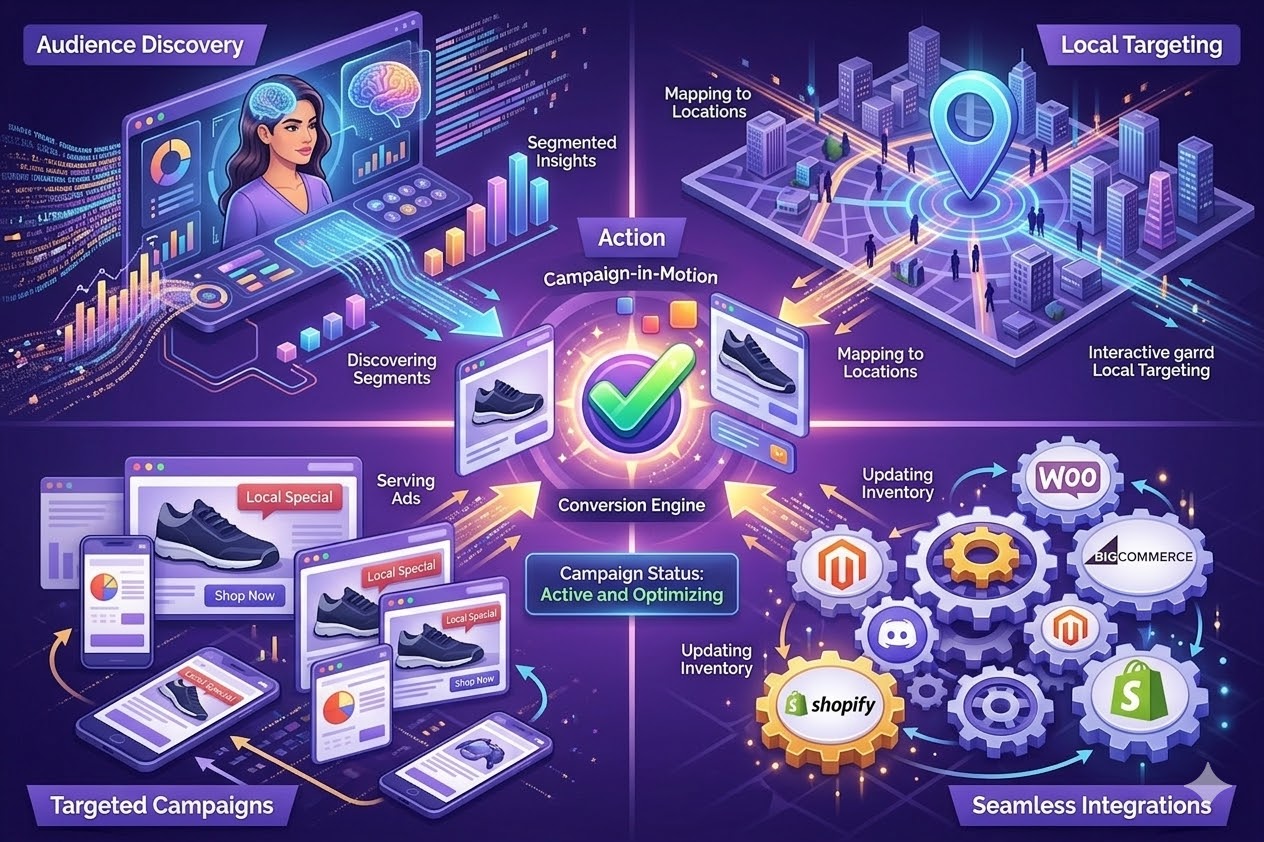
The implementation of strategic Ecommerce SEO tips within the BigCommerce platform can significantly enhance the visibility, relevance, and authority of ecommerce brands, ultimately driving organic growth and revenue. By leveraging AI-powered SEO, localized targeting, audience insights, and seamless integrations, ecommerce brands can navigate the digital landscape with confidence, attract qualified traffic, and drive more conversions efficiently.