

Complete Guide to Ecommerce Lead Generation
Brands are constantly seeking new ways to increase revenue and drive growth. One powerful avenue for achieving these goals is through Ecommerce Lead Generation, a strategic approach to attracting and converting potential customers into paying clients. When it comes to leveraging the power of Ecommerce Lead Generation, Shopify provides a robust platform for brands to showcase their products and services while driving sales. By implementing a comprehensive lead generation strategy, ecommerce brands using Shopify can effectively capture the attention of their target audience and nurture them through the sales funnel, ultimately increasing their bottom line.
ECommerce SEO
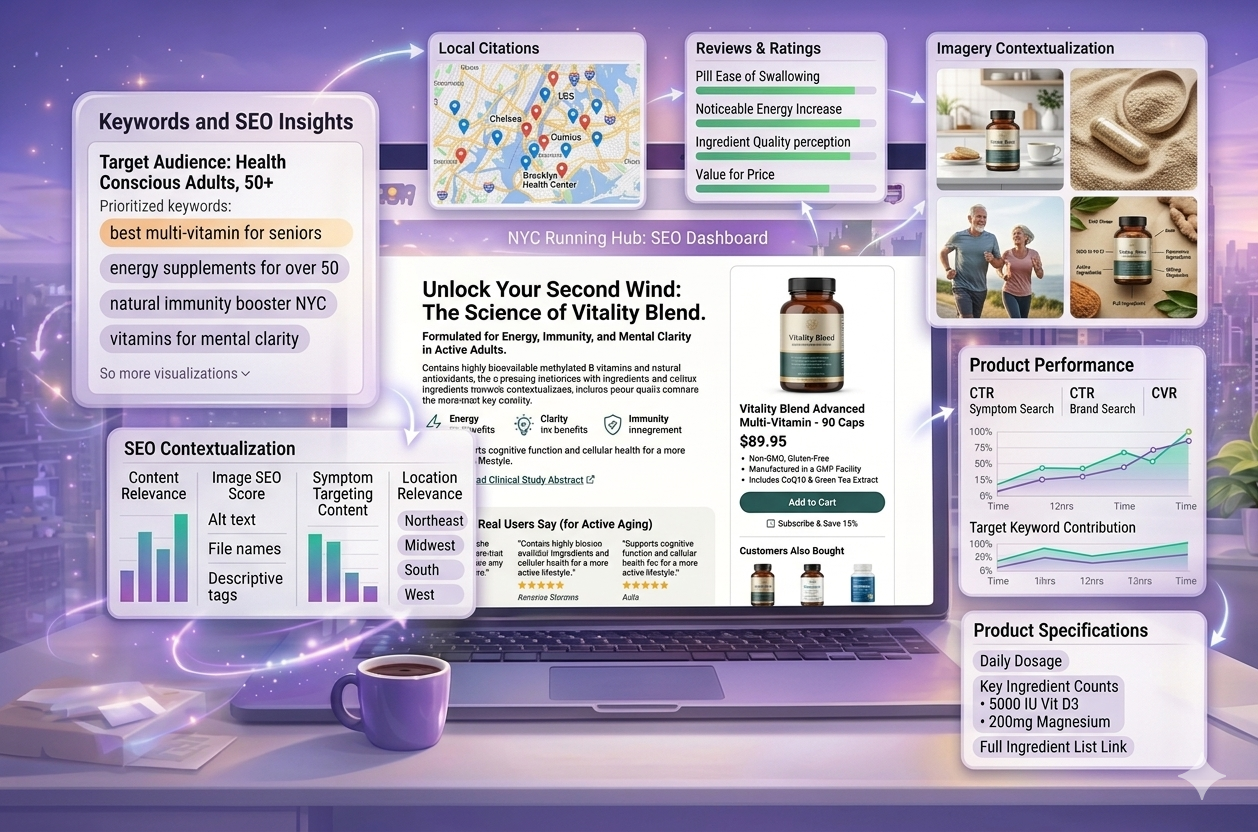
Ecommerce SEO is the foundation of any successful lead generation strategy for ecommerce brands. By optimizing product pages, implementing relevant keywords, and enhancing site structure, brands can improve their visibility on search engine results pages (SERPs) and attract qualified traffic to their Shopify store. An effective ecommerce SEO strategy includes:
– On-page optimization to ensure that product descriptions, titles, and meta tags are well-optimized for search engines.
– Implementing structured data to enhance the display of product information on search engine results.
– Optimizing site speed and mobile-friendliness to provide a seamless user experience, which is crucial for both SEO and conversion rates.
SEO Audit
Conducting a comprehensive SEO audit is essential for identifying areas of improvement and potential opportunities for ecommerce lead generation. An SEO audit for a Shopify store should cover:
– Technical SEO elements such as site structure, crawlability, and indexability.
– Content analysis to ensure that product descriptions, category pages, and blog content are optimized for relevant keywords.
– Backlink analysis to assess the quality and quantity of inbound links pointing to the Shopify store.
Keyword Research
Keyword research is at the core of any successful ecommerce lead generation strategy. By identifying and targeting the right keywords, brands can position their Shopify store in front of potential customers who are actively searching for their products. Effective keyword research involves:
– Identifying high-intent keywords that indicate a strong purchase intent, such as buy, discount, or best price.
– Targeting long-tail keywords that are specific to the products or services offered by the ecommerce brand.
– Analyzing keyword competition and search volume to prioritize the most valuable keywords for lead generation.
Local SEO
For ecommerce brands with a physical presence or serving specific geographic areas, local SEO is crucial for capturing local customers and driving foot traffic to brick-and-mortar stores. A robust local SEO strategy for Shopify should include:
– Optimizing Google My Business listing with accurate business information, customer reviews, and images.
– Creating location-specific landing pages to target local keywords and showcase products or services tailored to the local audience.
– Leveraging local business directories and citations to establish a strong local online presence.
Organic Growth
Organic growth is the sustainable and long-term approach to increasing visibility, attracting qualified traffic, and driving conversions for ecommerce brands using Shopify. A holistic approach to organic growth encompasses:
– Creating high-quality and engaging content that resonates with the target audience and provides value.
– Leveraging social media channels to amplify the reach of content and engage with potential customers.
– Building relationships with industry influencers and strategic partners to expand brand reach and credibility.
Contextual Placement
Contextual placement of keywords and content plays a critical role in attracting the right audience and driving ecommerce lead generation. By strategically placing content across relevant platforms and channels, ecommerce brands can effectively reach potential customers in the right context. This includes:
– Guest posting on industry-relevant blogs and publications to position the brand as an authority.
– Participating in forums and online communities where the target audience seeks product recommendations or advice.
– Leveraging content marketing to provide valuable information that aligns with the audience’s needs and interests.
Content Creation
Compelling and valuable content is the cornerstone of effective ecommerce lead generation for Shopify brands. Crafting content that educates, inspires, and informs potential customers is key to nurturing leads and driving conversions. Content creation strategies for Shopify stores should encompass:
– Developing a content calendar to plan and execute a consistent publishing schedule.
– Creating product guides, how-to articles, and informative videos that showcase the value of products.
– Implementing user-generated content strategies to leverage customer testimonials and reviews.
Citations
Citations are crucial for establishing the credibility and authority of an ecommerce brand in the eyes of both customers and search engines. For Shopify stores, citations involve:
– Ensuring consistent and accurate business information across online directories, review sites, and social platforms.
– Leveraging industry-specific directories to showcase the brand within relevant niches.
– Monitoring and managing online reviews and citations to maintain a positive brand reputation.
Brand Reputation
A positive brand reputation is instrumental in driving ecommerce lead generation and fostering trust with potential customers. Building and managing brand reputation for a Shopify store involves:
– Encouraging and responding to customer reviews to demonstrate active engagement and commitment to customer satisfaction.
– Monitoring social media mentions and addressing customer inquiries and concerns promptly.
– Showcasing industry awards, partnerships, and affiliations to bolster the brand’s credibility and authority.
Overall
By leveraging the power of Ecommerce Lead Generation and implementing a comprehensive SEO strategy tailored to Shopify, ecommerce brands can drive sustainable growth, increase visibility, and attract qualified traffic to their online store. With a focus on organic growth, contextual placement, and brand reputation, Shopify brands can position themselves for long-term success in the competitive ecommerce landscape.