

Complete Guide to Difference Between Onpage And Offpage SEO
Ecommerce brands utilizing WooCommerce can significantly enhance their online visibility and drive more sales by implementing effective onpage and offpage SEO strategies. As a leading platform for online stores, WooCommerce provides a robust foundation for businesses to expand their reach and maximize revenue potential. By integrating advanced SEO techniques, brands can position themselves for success in the competitive ecommerce landscape. This comprehensive guide explores the crucial difference between onpage and offpage SEO, equipping ecommerce entrepreneurs with the knowledge and insights needed to elevate their digital presence and drive organic growth with WooCommerce.
Ecommerce SEO
In the highly competitive ecommerce space, standing out and reaching potential customers is paramount to success. Leveraging WooCommerce’s powerful capabilities combined with cutting-edge SEO practices provides a compelling opportunity for brands to increase their online visibility and attract qualified traffic. By optimizing product pages, enhancing site structure, and improving user experience, ecommerce brands can create a strong foundation for sustainable growth and long-term success.
SEO Audit
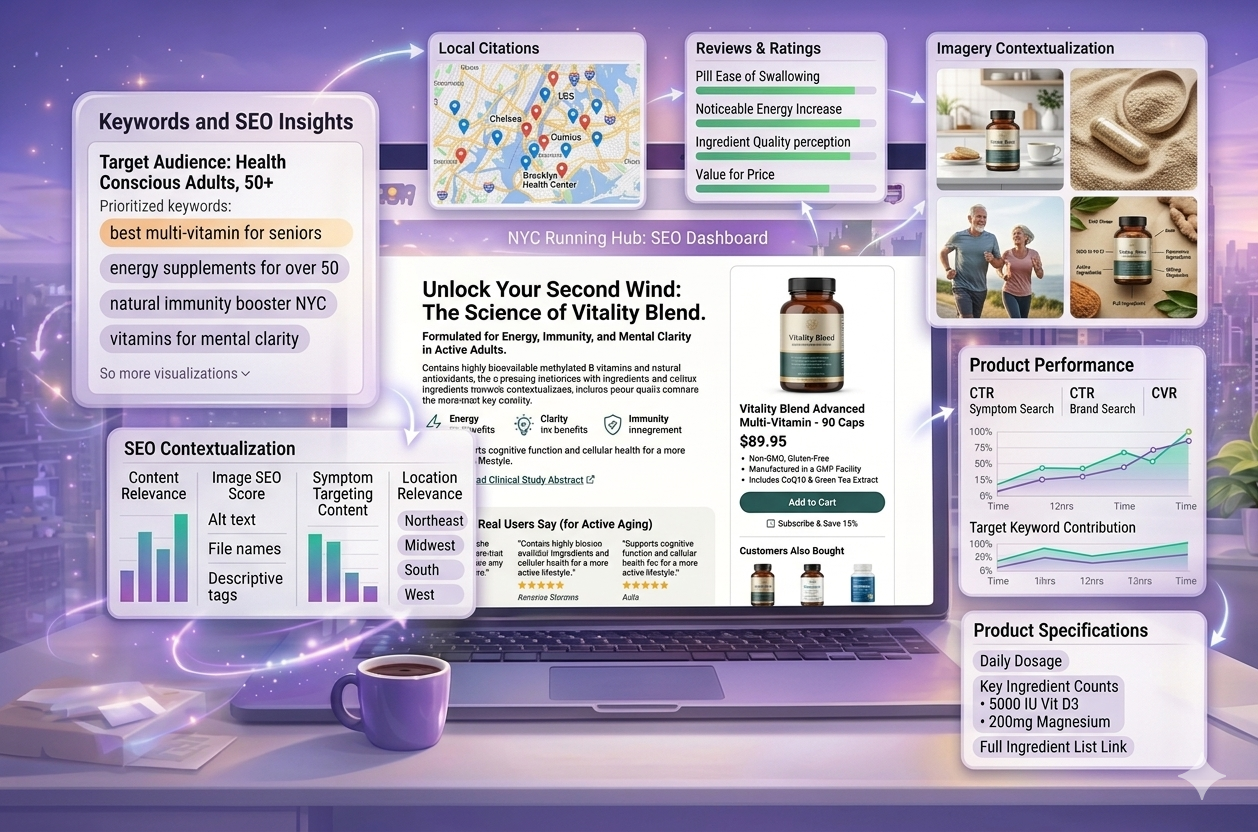
Conducting a thorough SEO audit is essential for identifying areas of improvement and optimizing the overall performance of an ecommerce website. By evaluating onpage elements such as meta tags, headings, and content quality, brands can ensure that their online store is effectively communicating with search engines and delivering a seamless user experience. Offpage audit involves assessing backlink profiles, domain authority, and overall online presence to gauge the website’s authority and relevance in the digital landscape.
Keyword Research
Effective keyword research forms the cornerstone of successful onpage and offpage SEO strategies for ecommerce brands. By identifying and targeting high-intent keywords related to products, categories, and industry-specific terms, brands can optimize their onpage content to align with user search queries and drive relevant traffic to their online store. Offpage, keyword research informs the development of content strategies and link-building efforts, ensuring that the brand’s online presence resonates with its target audience and industry trends.
Local SEO
For ecommerce brands looking to capture local markets and drive in-store foot traffic, local SEO plays a pivotal role in enhancing visibility within specific geographic locations. Optimizing Google My Business profiles, creating location-specific landing pages, and garnering positive reviews are critical components of onpage and offpage local SEO efforts. By tailoring content and outreach strategies to local audiences, ecommerce brands can capitalize on the growing trend of local searches and position themselves as top choices within their target regions.
Organic Growth
Sustainable organic growth is a central goal for ecommerce brands seeking to expand their customer base and revenue streams. Onpage strategies such as creating relevant and engaging content, optimizing website speed and performance, and implementing structured data markup contribute to attracting organic traffic and improving user engagement. Offpage, building high-quality backlinks, fostering brand mentions, and enhancing social media presence bolster the brand’s authority and relevance in the digital ecosystem, fueling sustained organic growth.
Contextual Placement
Contextual placement of keywords and content within onpage and offpage SEO efforts is crucial for signaling relevance to search engines and capturing user intent effectively. By strategically incorporating targeted keywords within onpage product descriptions, category pages, and blog posts, ecommerce brands can improve their search engine rankings and attract more qualified leads. Offpage, contextual placement involves securing relevant placements for guest posts, press releases, and industry publications to amplify the brand’s authority and visibility within niche communities.
Content Creation
Compelling and informative content creation is a cornerstone of successful onpage and offpage SEO strategies for ecommerce brands. By producing high-quality, relevant content that addresses customer needs, industry trends, and product information, brands can enhance their onpage SEO performance and attract organic traffic. Offpage content creation involves developing shareable and link-worthy assets such as infographics, videos, and whitepapers to secure valuable backlinks and amplify the brand’s online reach and authority.
Citations
In the realm of local SEO, citations play a pivotal role in establishing the brand’s online presence and credibility within specific geographic areas. Onpage citation building involves ensuring consistent and accurate business information across the website, while offpage citations encompass securing placements in local directories, industry listings, and local publications to reinforce the brand’s relevance and prominence within target locations.
Brand Reputation
Maintaining a strong brand reputation is essential for ecommerce brands aiming to foster trust and credibility among their target audience. Onpage reputation management involves curating positive customer reviews, testimonials, and trust signals on the website, while offpage efforts focus on proactive reputation monitoring, addressing customer feedback, and aligning the brand’s digital footprint with a positive and reputable online presence.
Mastering the art of onpage and offpage SEO within the context of WooCommerce empowers ecommerce brands to maximize their online visibility, attract qualified traffic, and drive sustainable revenue growth. By implementing a strategic blend of onpage optimization, content creation, local SEO, and offpage link-building, brands can position themselves for success in the competitive ecommerce landscape, ultimately driving more conversions and revenue.