

Complete Guide to Difference Between Onpage And Offpage SEO
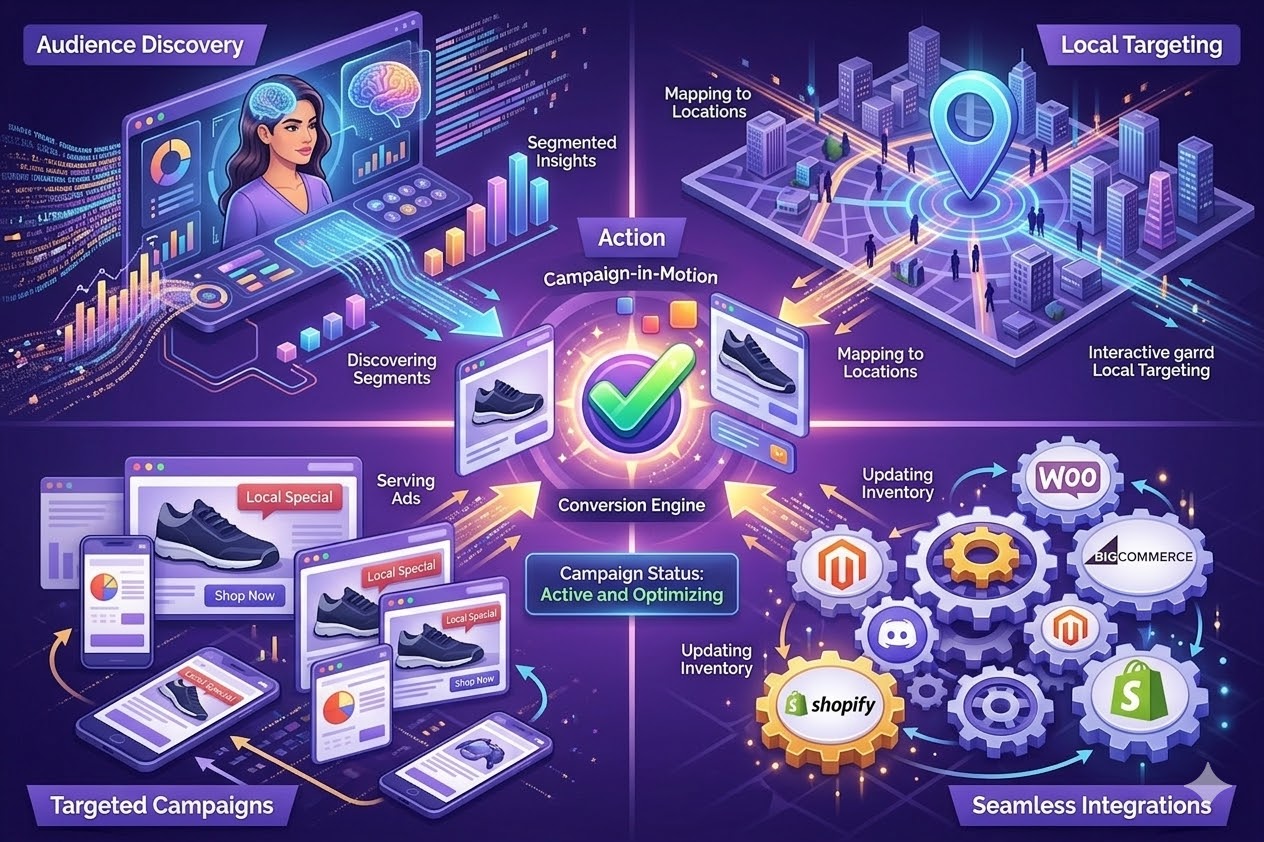
Looking to boost your Shopify sales and increase revenue through organic growth? Dive into the world of ecommerce SEO and discover the essential difference between onpage and offpage strategies. Learn how to leverage AI-powered SEO, localized targeting, and audience insights to maximize visibility, attract qualified traffic, and drive conversions efficiently.
Ecommerce SEO
Ecommerce SEO is the process of improving your online store’s visibility in search engine results pages (SERPs) to drive organic traffic and increase sales. By optimizing your website and content for search engines, you can enhance your brand’s online presence and reach potential customers actively searching for products or services related to your business.
SEO Audit
Conducting a comprehensive SEO audit is crucial for appreciating your website’s current performance and identifying areas for improvement. By evaluating onpage and offpage elements such as website structure, meta tags, content quality, backlinks, and technical aspects, you can develop a strategic SEO plan tailored to your ecommerce business.
Keyword Research
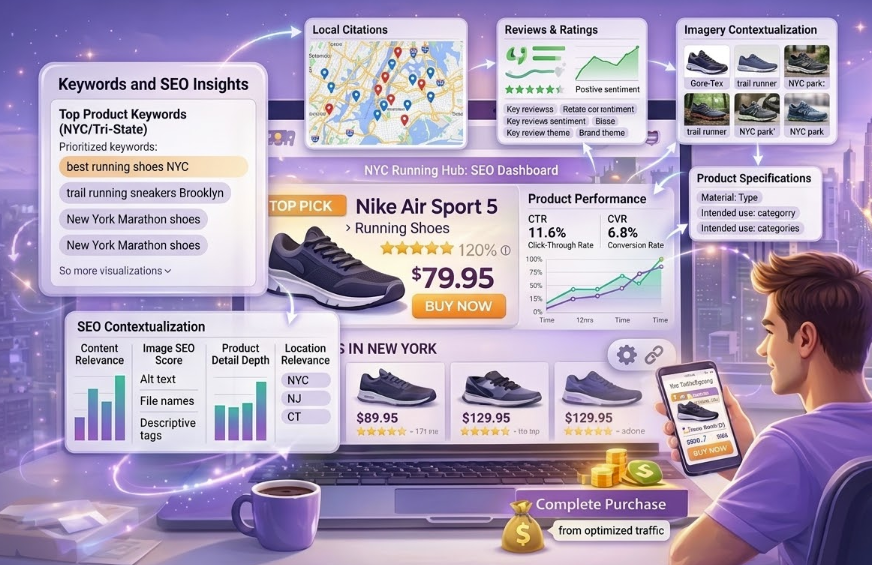
Effective keyword research is essential for targeting the right audience and capturing relevant search traffic. By identifying high-value keywords with strong commercial intent, you can optimize product pages, category descriptions, and blog content to align with the search queries of potential customers, driving qualified organic traffic to your Shopify store.
Local SEO
Local SEO plays a pivotal role in helping ecommerce brands connect with local customers and drive foot traffic to physical store locations. Optimizing for local search involves creating location-specific landing pages, claiming and optimizing Google My Business listings, and obtaining positive reviews to enhance your brand’s visibility in local search results.
Organic Growth
Building organic growth for your Shopify store involves a combination of onpage and offpage SEO strategies aimed at increasing website authority, relevance, and trustworthiness. By focusing on content quality, user experience, and natural link acquisition, you can attract organic traffic, engage potential customers, and foster long-term brand loyalty.
Contextual Placement
Contextual placement of keywords and content within your ecommerce website is essential for signaling relevance to search engines and providing valuable information to visitors. By strategically incorporating targeted keywords into product descriptions, blog posts, and other onpage elements, you can enhance the overall user experience and improve search engine rankings.
Content Creation
Creating high-quality, engaging content is a fundamental aspect of both onpage and offpage SEO. By developing valuable blog posts, product guides, and multimedia content, you can attract organic backlinks, social shares, and referral traffic, strengthening your ecommerce brand’s online authority and driving sustained organic growth.
Citations
Citations, or online mentions of your business name, address, and phone number (P), are crucial for local SEO and enhancing your brand’s credibility and trustworthiness. Consistent and accurate citations across various online directories and platforms can improve your visibility in local search results and contribute to a positive user experience.
Brand Reputation
Managing and cultivating a positive brand reputation is essential for ecommerce success. By monitoring customer reviews, addressing feedback, and maintaining an active presence on social media and review platforms, you can build trust, credibility, and authority, which contributes to improved search engine visibility and customer acquisition.
Incorporating a holistic approach to onpage and offpage SEO within your Shopify ecommerce strategy can yield significant results in driving organic growth, increasing revenue, and expanding your brand’s online presence.