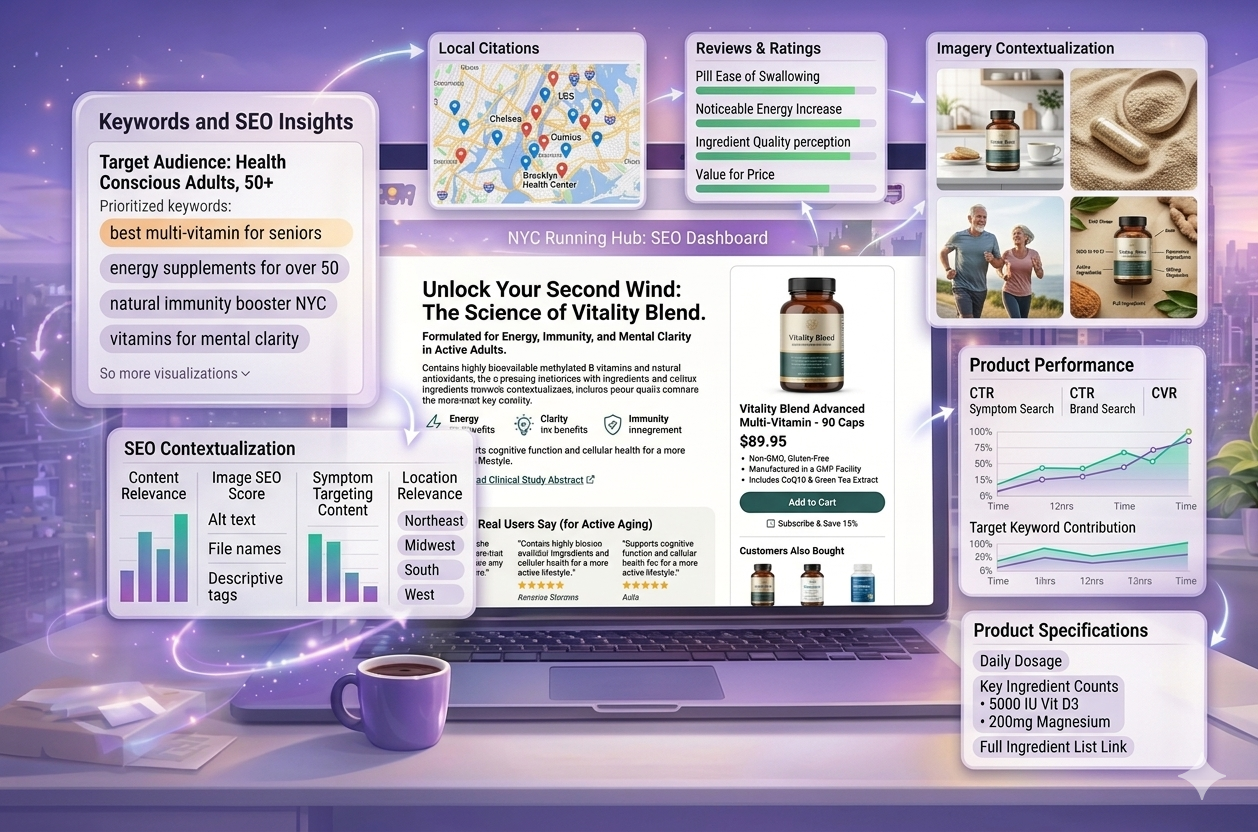


Complete Guide to Cms SEO Optimized
In a rapidly evolving digital landscape, optimizing your ecommerce platform for search engines is crucial to gaining a competitive edge and driving sustainable growth. As ecommerce brands increasingly turn to Shopify for its robust features and user-friendly interface, integrating CMS SEO optimized practices becomes paramount. This comprehensive guide explores the pivotal role of CMS SEO optimization in enhancing your Shopify ecommerce strategy, driving organic growth, and maximizing revenue potential.
ECommerce SEO
– Implementing structured data markup to enhance search engine visibility
– Leveraging schema.org markup for product listings and rich snippets
– Optimizing website architecture and navigation for user experience and search engine crawlability
– Utilizing canonical tags and URL structure for streamlined indexing and ranking
SEO Audit
– Conducting comprehensive website audits to identify technical and content-related SEO issues
– Analyzing website performance, mobile-friendliness, and site speed for improved user experience
– Evaluating on-page elements, meta tags, and internal linking structure for optimal search engine visibility
Keyword Research
– Identifying high-intent keywords relevant to your ecommerce niche and target audience
– Leveraging long-tail keywords and semantic variations to capture specific search queries
– Conducting competitor analysis to uncover valuable keyword opportunities and gaps in the market
Local SEO
– Optimizing Google My Business profile and local citations for enhanced local search visibility
– Implementing location-based keyword targeting and geo-modified content for local audience engagement
– Leveraging customer reviews and ratings to build trust and credibility within local communities
Organic Growth
– Crafting compelling, SEO-optimized product descriptions and category pages to drive organic traffic
– Creating valuable blog content addressing customer pain points, industry trends, and product-related topics
– Implementing content marketing strategies to foster brand authority and attract relevant organic traffic
Contextual Placement
– Leveraging AI-powered tools to analyze user intent and deliver personalized product recommendations
– Implementing dynamic content placement based on user behavior, preferences, and purchase history
– Utilizing contextual advertising to target specific audience segments with relevant and engaging content
Content Creation
– Developing a content calendar aligned with seasonal trends, promotions, and product launches
– Incorporating visual content, such as infographics and videos, to enhance user engagement and SEO performance
– Implementing user-generated content strategies to foster community engagement and social proof
Citations
– Building authoritative and relevant backlinks through strategic outreach and content partnerships
– Leveraging local directories, industry associations, and niche communities to acquire quality citations
– Monitoring and managing the consistency and accuracy of P (Name, Address, Phone) information across online platforms
Brand Reputation
– Monitoring brand mentions and customer feedback across social media, review platforms, and industry forums
– Implementing proactive reputation management strategies to address negative feedback and mitigate potential brand damage
– Cultivating a positive brand image through transparent communication, exceptional customer service, and ethical business practices
Incorporating CMS SEO optimized practices into your Shopify ecommerce strategy is essential to unlocking the full potential of your online store. By harnessing the power of AI-driven insights, localized targeting, and strategic content placement, you can elevate your brand’s visibility, engage with qualified audiences, and drive sustainable revenue growth.