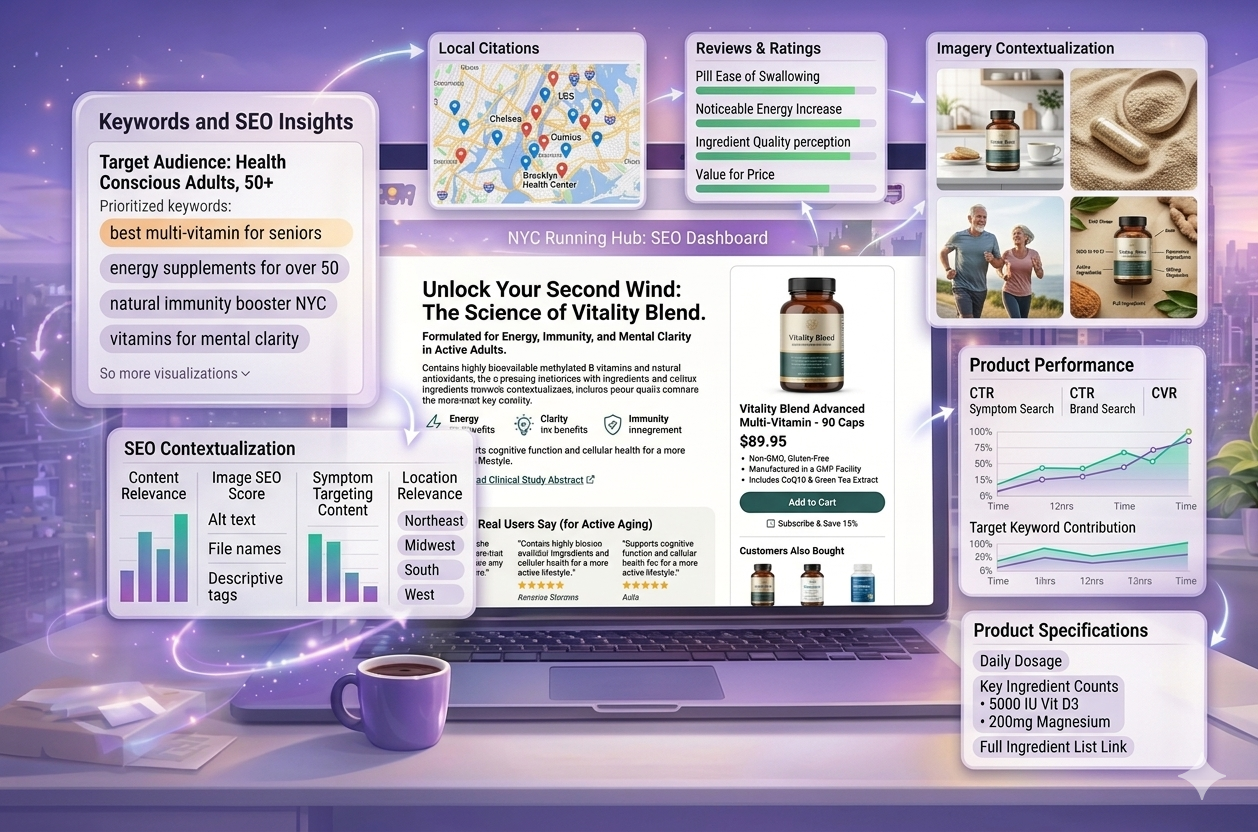


Complete Guide to Goal Of SEO
In the increasingly competitive world of ecommerce, optimizing for search engines has become a critical component of success. With the goal of driving more traffic, increasing visibility, and ultimately boosting revenue, ecommerce brands are turning to advanced SEO strategies to achieve their objectives. As a leading ecommerce platform, BigCommerce provides a robust foundation for online retailers to grow their businesses. In this comprehensive guide, we’ll delve into the goal of SEO as it relates to BigCommerce, exploring key strategies such as eCommerce SEO, SEO Audit, Keyword Research, Local SEO, Organic Growth, Contextual Placement, Content Creation, Citations, and Brand Reputation.
ECommerce SEO
– Implementing technical optimizations to enhance website performance and user experience
– Utilizing structured data to provide search engines with detailed information about products and services
– Creating SEO-friendly URLs, meta tags, and descriptions to improve visibility in search results
– Leveraging schema markup to highlight key information and improve rich snippets in search results
SEO Audit
– Conducting a comprehensive assessment of the website’s SEO performance and identifying areas for improvement
– Analyzing technical aspects, on-page elements, backlink profile, and overall site health
– Identifying and addressing issues such as broken links, duplicate content, and page speed optimization
– Developing a roadmap for ongoing improvements and monitoring progress through analytics and reporting
Keyword Research
– Identifying high-converting keywords relevant to the ecommerce brand’s products or services
– Analyzing search volume, competition, and user intent to target the most valuable keywords
– Incorporating long-tail keywords and semantic variations to capture a wider range of search queries
– Monitoring keyword performance and adapting strategies based on shifting search trends
Local SEO
– Optimizing for local search by creating and verifying a Google My Business listing
– Implementing location-specific keywords and relevant content to target local audiences
– Encouraging customer reviews and leveraging positive feedback to enhance local visibility
– Leveraging structured data to provide essential business information and improve local search results
Organic Growth
– Focusing on sustainable, long-term strategies to attract organic traffic and drive conversions
– Developing high-quality content that resonates with the target audience and encourages engagement
– Building a strong backlink profile through outreach, guest blogging, and strategic partnerships
– Monitoring and adapting to algorithm updates and industry shifts to maintain organic growth
Contextual Placement
– Strategically placing relevant keywords within content to improve search engine visibility
– Creating compelling and informative content that aligns with user search intent and addresses specific needs
– Enhancing the user experience by delivering valuable, contextually relevant information
– Leveraging internal linking to establish content hierarchy and improve site navigation
Content Creation
– Developing a content strategy that aligns with the ecommerce brand’s goals and target audience
– Creating diverse and engaging content formats, including blog posts, videos, infographics, and product guides
– Optimizing content for readability, shareability, and search engine visibility
– Incorporating user-generated content and social proof to build trust and credibility
Citations
– Building consistent and accurate business citations across relevant online directories and platforms
– Ensuring P (Name, Address, Phone Number) consistency to strengthen local SEO efforts
– Leveraging industry-specific citations to establish authority and relevance within the ecommerce niche
– Monitoring and managing citations to address any inaccuracies or outdated information
Brand Reputation
– Managing online reviews and reputation to build trust and credibility with potential customers
– Monitoring brand mentions and sentiment across digital channels and addressing any negative feedback proactively
– Encouraging user-generated content and testimonials to showcase positive experiences
– Engaging with the audience authentically and transparently to reinforce brand reputation and trustworthiness
Implementing a comprehensive SEO strategy tailored to the unique needs of ecommerce brands can significantly impact visibility, traffic, and revenue growth. By leveraging BigCommerce’s robust platform and integrating advanced SEO techniques, ecommerce retailers can position themselves for sustainable success in the competitive online landscape.