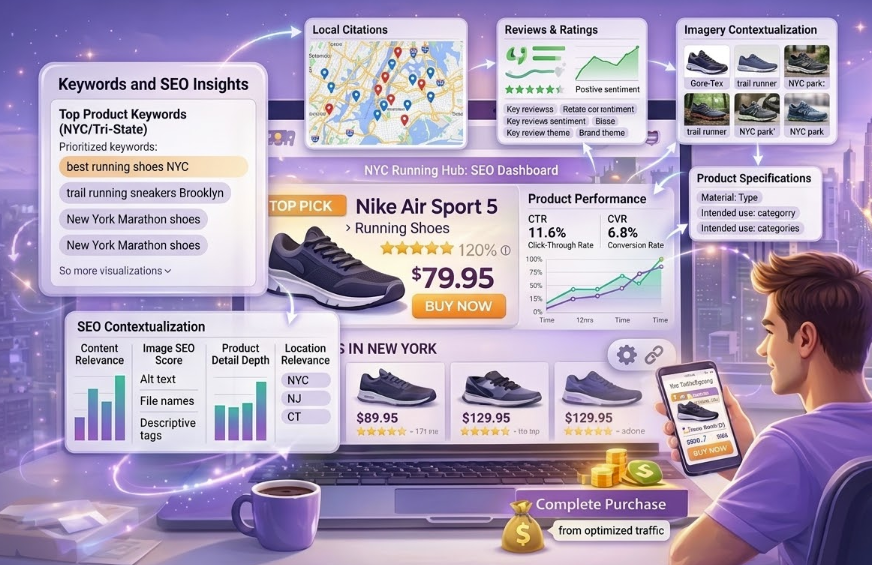


Complete Guide to How To Rank Higher On Google
In the fiercely competitive landscape of ecommerce, ranking higher on Google can make all the difference in driving traffic and increasing revenue. For ecommerce brands leveraging WooCommerce, the quest for better visibility and organic growth is a crucial part of the business strategy. This comprehensive guide dives into the intricacies of ecommerce SEO, providing actionable insights on how to optimize your website and attract more qualified traffic to drive revenue growth.
ECommerce SEO
Ecommerce SEO is the foundation for achieving higher rankings on Google and gaining a competitive edge in the digital marketplace. It encompasses various strategies tailored to optimize online stores, including WooCommerce-powered sites, for search engine visibility and user experience.
– Implementing structured data to enhance product display in search results
– Optimizing product descriptions, images, and metadata for search engines
– Utilizing WooCommerce SEO plugins for enhanced functionality and performance
SEO Audit
Conducting a thorough SEO audit is essential to identify areas for improvement and optimize your WooCommerce site for better search engine rankings. It involves a comprehensive analysis of the website’s technical aspects, content quality, and backlink profile to uncover potential SEO roadblocks and opportunities.
– Evaluating site speed, mobile-friendliness, and technical SEO aspects
– Identifying and fixing broken links, duplicate content, and crawl errors
– Assessing the website’s backlink profile and domain authority
Keyword Research
Keyword research lays the groundwork for an effective SEO strategy by identifying the most relevant and high-impact keywords for your ecommerce brand. By recognizing the search intent of your target audience, you can align your content and product offerings with their needs and preferences to improve visibility and attract qualified traffic.
– Identifying long-tail keywords with high commercial intent for product pages
– Analyzing competitor keywords to uncover untapped opportunities
– Utilizing keyword research tools to prioritize and optimize for high-value keywords
Local SEO
For ecommerce brands with physical locations or targeting local markets, local SEO is a critical component for enhancing visibility and driving foot traffic to brick-and-mortar stores. Leveraging WooCommerce for local SEO optimization can help capture the attention of nearby consumers and improve overall brand visibility in local search results.
– Optimizing Google My Business profile for accurate business information and customer reviews
– Implementing local schema markup to enhance local search result display
– Creating location-specific landing pages to target local keywords and user intent
Organic Growth
Achieving sustainable organic growth requires a holistic approach that encompasses various SEO strategies and tactics to consistently improve visibility, attract qualified traffic, and drive conversions. For ecommerce brands using WooCommerce, organic growth is vital for long-term success and revenue generation.
– Creating high-quality, informative, and engaging content to attract and retain website visitors
– Building a diverse backlink profile through ethical link building and content marketing efforts
– Monitoring and analyzing website performance metrics to identify growth opportunities and trends
Contextual Placement
Contextual placement of keywords and content elements is crucial for enhancing relevance and authority in the eyes of search engines. By strategically placing keywords and content within the context of the overall website structure, ecommerce brands can improve their chances of ranking higher on Google and attracting more qualified traffic.
– Incorporating target keywords in strategic locations such as titles, headings, and meta descriptions
– Creating internal links between related products and content to enhance contextual relevance
– Ensuring that product and category pages offer comprehensive and informative content for both users and search engines
Content Creation
Compelling and informative content creation is the cornerstone of a successful ecommerce SEO strategy. By consistently producing high-quality, relevant, and user-friendly content, ecommerce brands can enhance their online visibility, attract more qualified traffic, and establish authority within their niche.
– Developing a content calendar to plan and schedule regular content updates and publications
– Creating informative product guides, blog posts, and how-to articles to address customer needs
– Optimizing content for relevant keywords and user intent to improve search engine visibility
Citations
Citations play a crucial role in local SEO for ecommerce brands with physical locations. By ensuring consistent and accurate business information across online directories and platforms, ecommerce brands can improve their local search visibility and credibility, attracting more local customers to their stores.
– Ensuring P (Name, Address, Phone Number) consistency across all online directories and platforms
– Claiming and optimizing Google My Business, Yelp, and other relevant local directory listings
– Monitoring and managing customer reviews and feedback on local platforms to maintain a positive brand reputation
Brand Reputation
Building and maintaining a strong brand reputation is essential for long-term success in ecommerce. By actively managing customer feedback, engaging with the audience, and delivering exceptional products and services, ecommerce brands can cultivate a positive brand image that resonates with customers and search engines alike.
– Monitoring and responding to customer reviews and feedback across various platforms
– Implementing customer feedback and suggestions to improve products and services
– Leveraging social proof and user-generated content to showcase brand authenticity and quality
Achieving higher rankings on Google is a crucial goal for driving more organic traffic and revenue growth. By implementing proven SEO strategies and leveraging the power of WooCommerce, ecommerce brands can optimize their online visibility, attract qualified traffic, and drive more conversions efficiently.