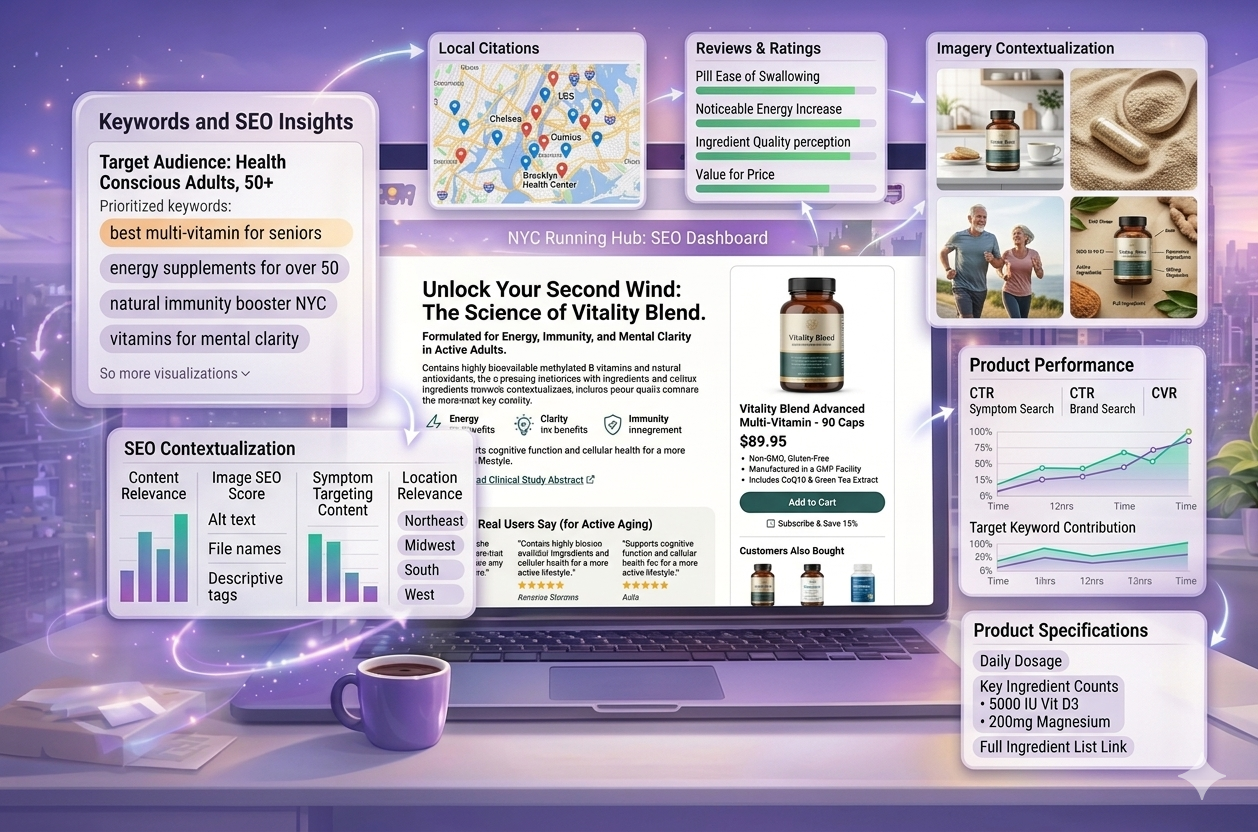


Complete Guide to Best SEO For Ecommerce
In the increasingly competitive world of ecommerce, optimizing your online store for search engines is crucial for success. With the right SEO strategies, ecommerce brands can enhance their visibility, attract targeted traffic, and ultimately boost conversions. At BrandThat, we specialize in empowering ecommerce brands to achieve these goals through AI-powered SEO techniques, localized targeting, audience insights, and seamless integrations. By leveraging our expertise, ecommerce businesses can unlock new revenue channels and thrive in the digital marketplace.
ECommerce SEO
– Implementing technical SEO best practices for Shopify stores
– Optimizing product pages for relevant keywords and long-tail phrases
– Creating a user-friendly site structure and navigation for improved SEO performance
– Leveraging schema markup to enhance search engine visibility and rich snippets
– Maximizing site speed and mobile responsiveness for better user experience and SEO rankings
SEO Audit
– Conducting comprehensive audits to identify technical SEO issues and opportunities for improvement
– Analyzing website performance, backlink profile, and content quality
– Assessing site architecture, internal linking, and crawlability
– Evaluating keyword targeting and content optimization strategies
– Providing actionable recommendations to address SEO deficiencies and enhance overall performance
Keyword Research
– Identifying high-value keywords and long-tail phrases with commercial intent
– Analyzing search volume, competition, and keyword difficulty to prioritize opportunities
– Developing a strategic keyword targeting plan for product pages, category pages, and blog content
– Incorporating semantic and related keywords to strengthen content relevance and organic visibility
– Monitoring keyword performance and making data-driven optimizations to drive continuous improvement
Local SEO
– Optimizing Google My Business profiles for increased local search visibility
– Implementing location-specific landing pages and content to target local audiences
– Managing online reviews, citations, and P consistency for local SEO success
– Leveraging local structured data markup to enhance local search features and map results
– Engaging in local link-building activities to strengthen authority within specific geographic regions
Organic Growth
– Developing a holistic SEO strategy to drive sustainable organic growth and visibility
– Leveraging content marketing, link-building, and technical optimizations for long-term success
– Focusing on user experience, site quality, and authoritative content to build trust and credibility
– Embracing agile SEO practices to adapt to algorithm updates and industry shifts
– Tracking and analyzing performance metrics to make informed decisions and drive continuous improvement
Contextual Placement
– Leveraging advanced content strategies to align with user intent and search engine algorithms
– Implementing contextual keyword placement and semantic relevance for improved content visibility
– Creating engaging and informative content that resonates with target audiences and drives organic traffic
– Leveraging internal linking and content silos to enhance topical authority and keyword context
– Aligning content with user journey stages and search intent to maximize relevance and engagement
Content Creation
– Crafting high-quality, original, and compelling content to engage and inform target audiences
– Developing a content calendar aligned with SEO objectives and audience interests
– Incorporating multimedia elements, structured data, and interactive features for enhanced user experience
– Focusing on evergreen content, trending topics, and industry insights to drive sustained organic traffic
– Amplifying content reach through social media, email marketing, and syndication channels
Citations
– Ensuring consistent and accurate business information across online directories and citation sources
– Managing P (name, address, phone number) data to maintain local search relevance and trust
– Leveraging industry-specific and authoritative citation sources to enhance brand visibility
– Monitoring and addressing incorrect or outdated citations to preserve data integrity
– Engaging in proactive citation building and verification to reinforce local SEO efforts
Brand Reputation
– Monitoring and managing online reviews, ratings, and customer feedback for brand reputation
– Responding to customer inquiries, concerns, and feedback to demonstrate brand responsiveness
– Leveraging positive customer experiences and testimonials to build social proof and credibility
– Implementing reputation management strategies to mitigate negative sentiment and proactively shape brand perception
– Cultivating an authentic, transparent, and trustworthy brand image to resonate with target audiences
In essence, implementing the best SEO practices for ecommerce on Shopify is essential for driving organic growth and maximizing revenue potential. By leveraging AI-powered SEO techniques, localized targeting, audience insights, and seamless integrations, ecommerce brands can enhance visibility, attract qualified traffic, and drive more conversions efficiently.