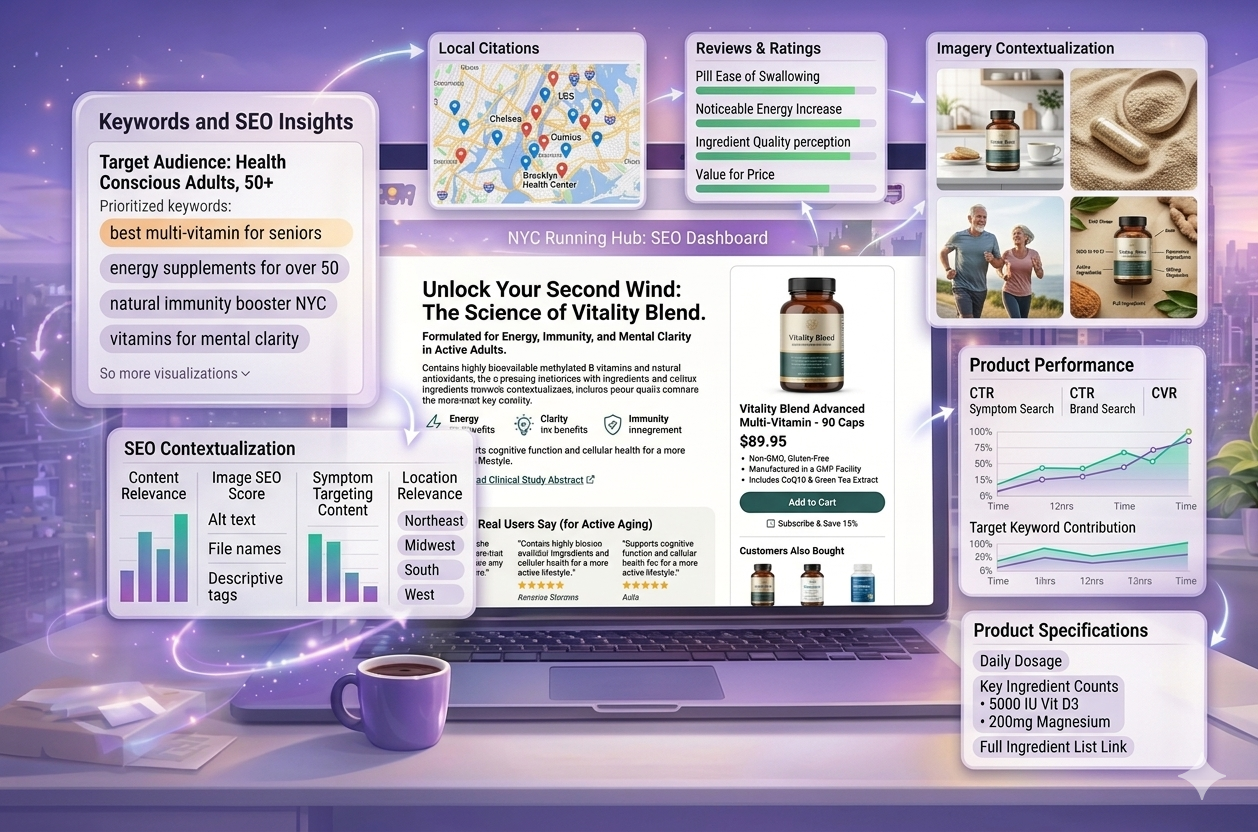


Complete Guide to SEO Strategy For Ecommerce Websites
Having a robust SEO strategy is paramount for driving organic growth and standing out in the digital marketplace. As an ecommerce brand using Shopify, optimizing your website for search engines is crucial for reaching your target audience and increasing revenue. This comprehensive guide will delve into the key aspects of SEO strategy for ecommerce websites, providing valuable insights and actionable tactics to help you maximize your online presence and drive sustainable growth.
ECommerce SEO
When it comes to ecommerce, SEO plays a pivotal role in driving traffic, increasing conversions, and enhancing overall visibility. Leveraging the power of search engine optimization can significantly impact your Shopify store’s performance and revenue potential. Key elements of ecommerce SEO include:
– Optimizing product pages with relevant keywords and compelling meta descriptions
– Implementing structured data to enhance search results and attract potential customers
– Creating SEO-friendly URLs and improving internal linking for better navigation
– Enhancing site speed and mobile responsiveness to provide exceptional user experience
By leveraging these ecommerce SEO best practices, you can effectively position your Shopify store for greater online visibility and customer engagement.
SEO Audit
Conducting a comprehensive SEO audit is essential for identifying areas of improvement and optimizing your ecommerce website for search engines. Key components of an effective SEO audit include:
– Evaluating website structure, meta tags, and on-page elements for optimization opportunities
– Analyzing backlink profiles and identifying potential link-building strategies
– Assessing site performance, including page speed, mobile-friendliness, and overall user experience
– Conducting keyword research to identify high-potential target keywords for your ecommerce store
A thorough SEO audit serves as the foundation for developing a tailored SEO strategy that aligns with your ecommerce goals and drives sustainable growth.
Keyword Research
Keyword research is a cornerstone of ecommerce SEO, enabling you to identify relevant search terms and phrases that resonate with your target audience. Effective keyword research involves:
– Identifying high-intent keywords related to your products or services
– Analyzing search volume, competition, and user intent to prioritize target keywords
– Leveraging long-tail keywords and semantic variations to capture a broader audience
– Incorporating keywords strategically across your website, including product descriptions, category pages, and blog content
By integrating targeted keywords into your ecommerce website, you can enhance its visibility in search results and attract qualified traffic that is more likely to convert.
Local SEO
For ecommerce brands with physical locations or serving specific geographic markets, local SEO is instrumental in reaching local consumers and driving foot traffic to your Shopify store. Key aspects of local SEO include:
– Optimizing Google My Business profile with accurate business information and compelling visuals
– Implementing location-specific keywords and creating localized content to target regional audiences
– Earning positive reviews and managing online reputation to build trust with local customers
– Leveraging local citations and directory listings to enhance your store’s visibility in local search results
By prioritizing local SEO efforts, you can strengthen your brand’s presence in relevant local markets and connect with nearby customers seeking your products or services.
Organic Growth
Achieving sustainable organic growth is a primary objective for ecommerce brands, and a well-crafted SEO strategy serves as a catalyst for driving continuous expansion. Key elements of fostering organic growth through SEO include:
– Creating high-quality, relevant content that resonates with your target audience and addresses their needs
– Building authoritative backlinks from reputable websites to boost your store’s credibility and domain authority
– Monitoring and analyzing performance metrics to identify opportunities for refinement and optimization
– Adapting to algorithm updates and evolving search trends to maintain a competitive edge in the ecommerce landscape
By prioritizing organic growth through SEO, you can cultivate a resilient online presence and capitalize on long-term revenue opportunities for your Shopify store.
Contextual Placement
Contextual placement of keywords and content within your ecommerce website is essential for signaling relevance to search engines and aligning with user intent. Key considerations for contextual placement include:
– Integrating target keywords naturally within product descriptions, headlines, and image alt tags
– Ensuring content is informative, engaging, and tailored to the specific needs and interests of your audience
– Establishing thematic relevance across your website through interconnected content and internal linking
– Leveraging user-generated content, such as reviews and testimonials, to validate your store’s offerings and enhance credibility
By strategically placing content within the context of your ecommerce website, you can reinforce its relevance and authority, which is critical for SEO performance.
Content Creation
Compelling and valuable content lies at the heart of successful ecommerce SEO, serving as a vehicle for engaging your audience, showcasing your products, and demonstrating expertise within your niche. Key considerations for content creation include:
– Developing a content strategy that aligns with your brand messaging, target audience, and SEO objectives
– Producing diverse formats of content, including blog posts, product guides, videos, and infographics, to cater to varied consumer preferences
– Optimizing content for relevant keywords while maintaining a natural and authentic tone
– Prioritizing user experience by delivering informative, visually appealing, and easily digestible content
By consistently creating quality content that resonates with your audience, you can fortify your ecommerce website’s authority and appeal to search engines and potential customers alike.
Citations
Citations, or mentions of your business name, address, and phone number across the web, are integral to local SEO and establishing trust and authority for your Shopify store. Key citation strategies include:
– Ensuring consistency and accuracy of business information across all online directories and platforms
– Securing citations from reputable and relevant local sources to reinforce your store’s local relevance
– Monitoring and managing citations to address inaccuracies or discrepancies promptly
– Leveraging structured data markup to enhance the visibility and comprehension of your business information by search engines
Effective citation management can amplify your local SEO efforts and contribute to a stronger online presence within your target geographical markets.
Brand Reputation
Building and maintaining a strong brand reputation is fundamental for ecommerce success, and SEO plays a pivotal role in shaping your store’s online perception. Key aspects of managing brand reputation through SEO include:
– Monitoring and responding to customer reviews and feedback across digital platforms to demonstrate attentiveness and care
– Implementing schema markup to showcase positive ratings, reviews, and testimonials in search results
– Publishing authoritative and informative content that reinforces your brand’s expertise and credibility within your industry
– Engaging in ethical and strategic reputation management practices to safeguard your store’s online image
By prioritizing brand reputation management through SEO, you can cultivate trust and loyalty among your audience, fostering long-term customer relationships and sustainable growth for your Shopify store.
End thoughts
Harnessing the power of SEO for your ecommerce website is an essential investment in driving visibility, attracting qualified traffic, and maximizing revenue potential. By implementing a comprehensive SEO strategy tailored to the unique needs of your Shopify store, you can position your brand for sustained growth and competitive advantage in the dynamic ecommerce landscape.