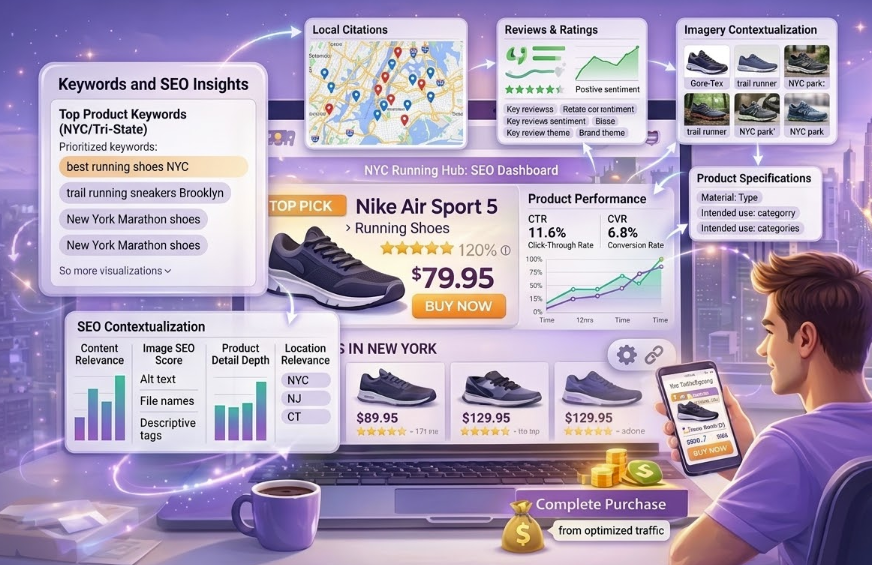



Complete Guide to Why Won’T My Website Show Up On Google
Are you struggling to get your Shopify website to rank on Google? Despite investing time and resources into your ecommerce business, it can be frustrating to see your website struggle to gain visibility in search engine results. Understanding the complexities of ecommerce SEO and organic growth is crucial for ensuring that your Shopify website is effectively reaching its target audience and driving revenue. In this comprehensive guide, we’ll delve into the key reasons why your website may not be showing up on Google and explore the strategies to address these challenges, ultimately helping you to maximize the potential of your ecommerce brand.
ECommerce SEO
Ecommerce SEO plays a pivotal role in determining the online visibility and success of your Shopify website. With the right strategies in place, you can enhance your website’s rankings and attract a steady stream of qualified traffic. Here are the top reasons why your Shopify website may not be showing up on Google:
1. Inadequate Keyword Optimization: Failing to optimize your website’s content with relevant keywords can hinder its visibility on Google.
2. Poor Site Structure: A disorganized site structure can make it difficult for search engine crawlers to index and rank your website effectively.
3. Lack of Quality Backlinks: Backlinks from reputable websites are crucial for building authority and improving your website’s search engine rankings.
4. Slow Page Load Speed: Google prioritizes fast-loading websites, so slow page speed can negatively impact your website’s visibility.
SEO Audit
Conducting a comprehensive SEO audit is essential for identifying areas for improvement and optimizing your Shopify website for search engines. By addressing the following aspects, you can enhance your website’s SEO performance:
1. Technical SEO Analysis: Assessing your website’s technical aspects, such as crawlability, indexability, and site speed, is crucial for identifying and resolving any technical issues.
2. On-Page SEO Review: Evaluating your website’s on-page elements, including meta tags, headings, and content quality, can help optimize your pages for improved search engine visibility.
3. Backlink Profile Examination: Analyzing your website’s backlink profile can uncover opportunities to acquire high-quality backlinks and improve your website’s authority.
Keyword Research
Effective keyword research is the foundation of successful SEO for your Shopify website. By conducting thorough keyword research, you can identify the most relevant and high-performing keywords for your ecommerce brand. Key considerations for keyword research include:
1. Understanding Search Intent: Align your keyword selection with the search intent of your target audience to ensure that your content meets their needs.
2. Long-Tail Keyword Exploration: Targeting long-tail keywords can help you capture specific search queries and attract highly relevant traffic to your website.
3. Competitor Analysis: Analyzing the keywords that your competitors are ranking for can provide valuable insights for enhancing your own keyword strategy.
Local SEO
Local SEO is especially important for ecommerce brands with physical locations or those targeting specific geographic areas. Optimizing your Shopify website for local search can significantly impact your visibility and attract local customers. Key elements of local SEO include:
1. Google My Business Optimization: Claiming and optimizing your Google My Business listing can improve your local search visibility and drive foot traffic to your physical store.
2. Localized Content Creation: Creating content tailored to local audiences and including location-based keywords can enhance your website’s relevance for local searches.
3. P Consistency: Ensuring consistent and accurate P (Name, Address, Phone Number) information across online directories and platforms is crucial for local SEO success.
Organic Growth
Achieving sustainable organic growth for your Shopify website requires a strategic and multifaceted approach. By focusing on the following aspects, you can cultivate organic growth and expand your ecommerce brand’s online presence:
1. Content Strategy: Developing a robust content strategy that encompasses high-quality, relevant, and engaging content is essential for attracting and retaining your target audience.
2. User Experience Optimization: Prioritizing user experience by improving website navigation, mobile responsiveness, and overall usability can positively impact organic growth.
3. Social Media Integration: Leveraging social media platforms to promote your content, engage with your audience, and drive traffic to your website can contribute to organic growth.
Contextual Placement
Contextual placement of keywords and content is crucial for signaling relevance to search engines and enhancing your website’s visibility. By strategically placing relevant keywords within your content and optimizing meta tags, headings, and image alt text, you can signal to search engines that your website is a valuable resource for specific search queries.
Content Creation
Creating high-quality, informative, and engaging content is fundamental to improving your website’s visibility on Google. By consistently producing valuable content that addresses the needs and interests of your target audience, you can establish your Shopify website as an authoritative and valuable resource in your niche.
Citations
Citations, or online mentions of your business’s Name, Address, and Phone Number (P), are essential for local SEO and establishing the credibility and authority of your ecommerce brand. Consistent and accurate citations across various online directories and platforms can contribute to improved local search visibility and trustworthiness.
Brand Reputation
Building and maintaining a strong brand reputation is integral to your Shopify website’s success in the competitive ecommerce landscape. By delivering exceptional products, services, and experiences, and actively managing your online reputation through customer reviews and feedback, you can enhance your brand’s credibility and trustworthiness, positively impacting its visibility on Google.
Optimizing your Shopify website for search engines and achieving visibility on Google requires a comprehensive appreciating of ecommerce SEO, organic growth strategies, and the nuances of local SEO. By addressing the key factors that may be hindering your website’s visibility and implementing effective SEO and content strategies, you can position your ecommerce brand for sustained growth and success in the digital realm.