


Complete Guide to Why Is My Website Traffic Dropping
If you’re an ecommerce brand using WooCommerce and noticing a decline in website traffic, it can be a cause for concern. Understanding the technical aspects of why this might be happening is crucial in order to take proactive steps to address the issue and prevent further revenue loss. In this comprehensive guide, we’ll delve into the technical intricacies of why your website traffic might be dropping and how leveraging WooCommerce can help address these challenges. Whether it’s eCommerce SEO, keyword research, or brand reputation, we’ll cover it all to provide you with actionable insights that can help you schedule a demo and drive additional revenue channels through organic growth.
ECommerce SEO
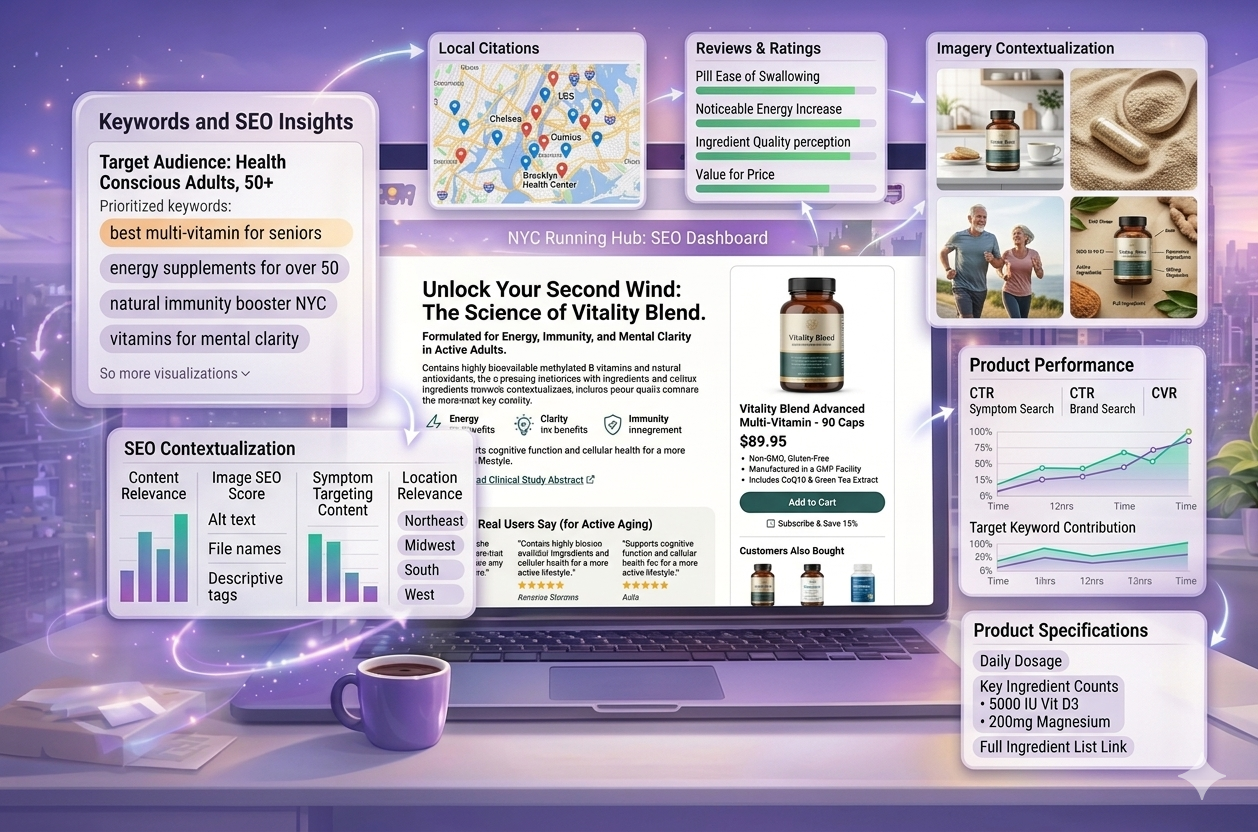
When it comes to ecommerce, SEO plays a pivotal role in driving traffic and conversions. With WooCommerce as your platform, it’s essential to optimize your website for search engines to ensure maximum visibility. Here are some key points to consider:
– Conduct a comprehensive SEO audit to identify any technical issues that might be impacting your website’s performance.
– Perform thorough keyword research to understand what your target audience is searching for and optimize your content accordingly.
– Implement local SEO strategies to enhance your visibility in specific geographic locations, especially if you have physical stores.
SEO Audit
Performing a thorough SEO audit is essential to identify and address any technical issues that might be impacting your website’s performance. Here’s what you need to consider:
– Check for any broken links, crawl errors, or other technical issues that might be hindering your website’s accessibility to search engines.
– Analyze your website’s loading speed and ensure that it meets the industry standards, as slow loading times can significantly impact user experience and search engine rankings.
– Review your website’s mobile-friendliness and ensure that it provides a seamless experience across all devices.
Keyword Research
In the world of ecommerce, acknowledging your target audience’s search behavior is paramount. Here’s how you can leverage keyword research to enhance your website traffic:
– Identify high-intent keywords that are relevant to your products or services and integrate them strategically into your website content.
– Explore long-tail keywords to capture niche audiences and drive targeted traffic to your website.
– Keep an eye on trending keywords and topics within your industry to stay ahead of the competition and capitalize on emerging opportunities.
Local SEO
For ecommerce brands with physical stores, local SEO can be a game-changer in driving foot traffic and online sales. Here’s how you can optimize for local search:
– Ensure that your business information is consistent across all online platforms, including your website, Google My Business, and other directories.
– Encourage customer reviews and testimonials to build credibility and trust within your local community.
– Utilize location-specific keywords and content to target potential customers in your area and drive relevant traffic to your website.
Organic Growth
Building sustainable, organic growth for your ecommerce brand is a long-term strategy that requires attention to various factors. Here’s what you need to focus on:
– Create high-quality, engaging content that resonates with your target audience and provides value beyond just sales pitches.
– Leverage contextual placement of keywords and content to enhance your website’s relevance and authority in the eyes of search engines.
– Build citations and backlinks from reputable sources to establish your brand’s authority and credibility within your industry.
Contextual Placement
The way you place your content and keywords throughout your website can significantly impact your search engine rankings. Here’s how you can optimize contextual placement:
– Integrate relevant keywords naturally within your website content to signal to search engines what your pages are about.
– Utilize headings, subheadings, and meta descriptions to provide search engines with contextual cues about the content on your pages.
– Implement structured data markup to enhance the visibility of your website in search results and drive more qualified traffic.
Content Creation
Compelling and informative content is the cornerstone of a successful ecommerce website. Here’s what you need to consider when creating content:
– Develop a content strategy that aligns with your brand’s goals and resonates with your target audience’s interests and pain points.
– Diversify your content formats, including blog posts, videos, infographics, and product descriptions, to cater to different audience preferences.
– Consistently monitor and analyze the performance of your content to understand what resonates with your audience and optimize your strategy accordingly.
Citations
Building citations from reputable sources can significantly enhance your brand’s visibility and credibility. Here’s how you can approach citations:
– Ensure that your business information, such as name, address, and phone number, is consistent across all online platforms and directories.
– Seek opportunities to be featured in local publications, industry blogs, and relevant websites to build a robust network of citations.
– Monitor and manage your citations regularly to address any discrepancies or outdated information that might impact your brand’s reputation.
Brand Reputation
Your brand’s reputation can make or break your ecommerce success. Here’s how you can safeguard and enhance your brand’s reputation:
– Actively engage with your customers on social media, review platforms, and other channels to address their concerns and showcase your brand’s commitment to customer satisfaction.
– Monitor and respond to customer reviews and feedback, both positive and negative, to demonstrate transparency and accountability.
– Leverage customer testimonials and success stories to build trust and credibility with potential customers and reinforce your brand’s reputation.
Knowing the technical nuances of why your website traffic might be dropping is crucial to taking proactive steps to address the issue. By leveraging WooCommerce and implementing robust SEO strategies, you can enhance your brand’s visibility, attract qualified traffic, and drive more conversions efficiently. Schedule a demo with BrandThat today to explore how our AI-powered solutions can help you capitalize on organic growth opportunities and maximize your ecommerce revenue potential.