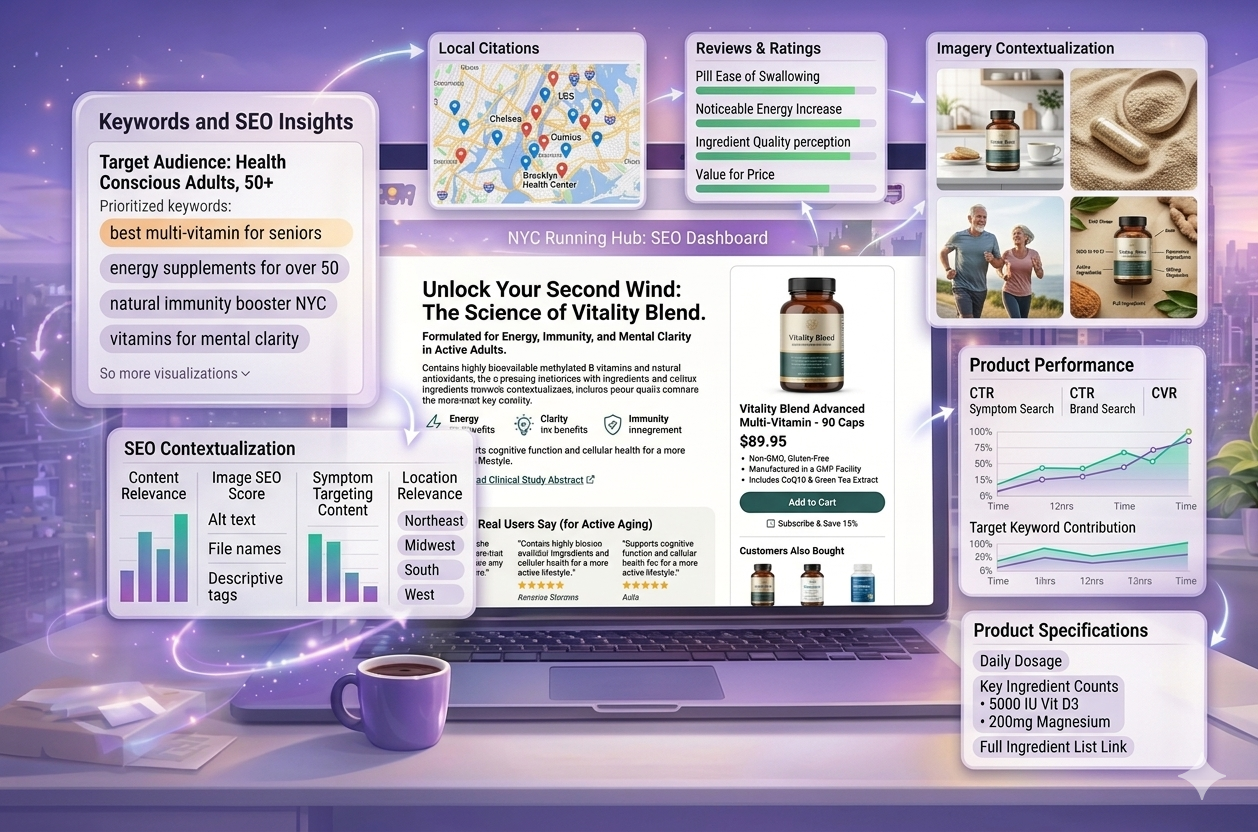



Complete Guide to SEO Success Metrics
When it comes to ecommerce, leveraging search engine optimization (SEO) is crucial for driving organic growth and increasing revenue. As an ecommerce brand using WooCommerce, knowing the key success metrics for SEO is essential to maximize your online presence and attract potential customers. In this comprehensive guide, we will delve into the various SEO success metrics and how they relate to WooCommerce, empowering you to optimize your ecommerce website for increased visibility, traffic, and conversions.
ECommerce SEO
– Implementing technical SEO best practices to enhance website performance and user experience
– Optimizing product pages and categories for relevant keywords and user intent
– Utilizing structured data markup to enhance search engine visibility for product information
– Implementing a robust internal linking strategy to improve website navigation and enhance SEO performance
SEO Audit
– Conducting a comprehensive SEO audit to identify technical issues, on-page optimization opportunities, and backlink analysis
– Utilizing SEO audit findings to prioritize website improvements and create an actionable SEO strategy
– Monitoring website performance and tracking key metrics to measure the impact of SEO efforts
Keyword Research
– Conducting in-depth keyword research to identify high-value, relevant keywords for product and category pages
– Analyzing search intent and competition to prioritize target keywords for optimization
– Utilizing long-tail keywords and semantic variations to capture a wider range of search queries
Local SEO
– Optimizing local business information, including name, address, and phone number (P), for consistent online citations
– Leveraging Google My Business and local directories to enhance local search visibility
– Encouraging customer reviews and testimonials to build trust and authority in local search results
Organic Growth
– Monitoring organic search traffic and engagement metrics to track the impact of SEO efforts on website growth
– Continuously optimizing website content and technical performance to maintain and improve organic search visibility
– Leveraging data-driven insights and AI-powered tools to identify new opportunities for organic growth
Contextual Placement
– Creating high-quality, relevant content that resonates with your target audience and addresses their needs
– Leveraging contextual placement of keywords within content to improve search engine visibility
– Building a strong internal linking structure to enhance the context and relevance of website content
Content Creation
– Developing a content strategy that aligns with target keywords and addresses user intent
– Creating engaging and informative content, including product descriptions, blog posts, and articles, to attract and retain website visitors
– Optimizing content for search engines while maintaining a focus on providing value to the audience
Citations
– Building a strong backlink profile through relevant and authoritative citations from industry-specific websites and directories
– Monitoring and managing backlink quality to ensure a healthy and natural link profile
– Utilizing citations to enhance local and organic search visibility
Brand Reputation
– Monitoring online brand mentions and reviews to maintain a positive brand reputation
– Encouraging satisfied customers to leave reviews and testimonials to build social proof and credibility
– Addressing and resolving any negative feedback or customer concerns to uphold brand reputation
Appreciating and measuring the success metrics of SEO is essential for ecommerce brands using WooCommerce to drive organic growth, increase visibility, and attract qualified traffic. By implementing a strategic approach to SEO and leveraging AI-powered tools, ecommerce brands can unlock new revenue channels and position themselves for sustained online success.