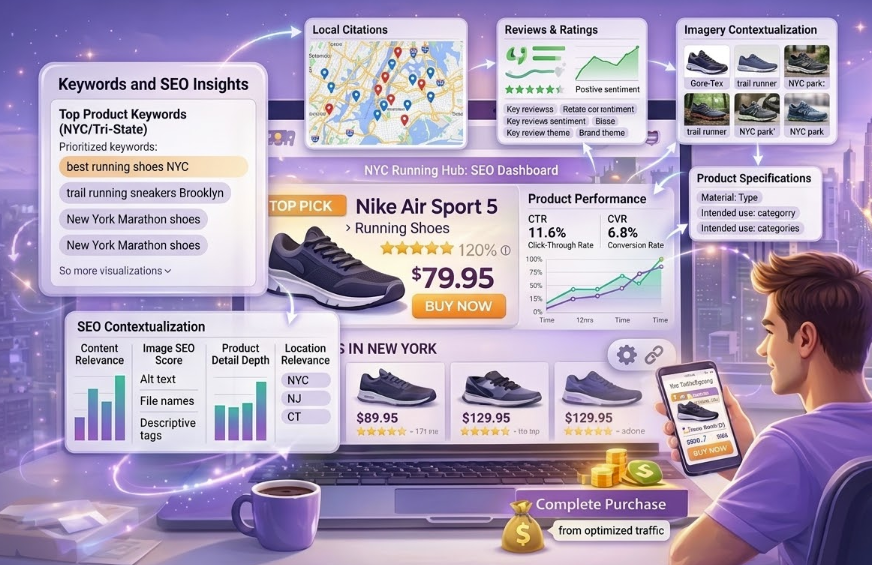



Complete Guide to SEO Strategy For Ecommerce
Ecommerce brands must leverage advanced SEO strategies to stand out, attract qualified traffic, and drive conversions. With WooCommerce being a popular choice for ecommerce platforms, implementing a robust SEO strategy tailored to this platform is essential to maximize online visibility and revenue potential. This comprehensive guide will delve into various aspects of SEO strategy for ecommerce, providing valuable insights and actionable steps to help ecommerce brands using WooCommerce achieve organic growth and optimize their online presence.
ECommerce SEO
Effective ecommerce SEO goes beyond basic keyword optimization. It involves a holistic approach that encompasses technical SEO, content optimization, and off-page factors to enhance the overall online shopping experience and drive organic traffic. When fine-tuned for WooCommerce, SEO strategies can significantly enhance product visibility and increase conversion rates.
– Technical SEO: Ensure proper site structure, fast loading speed, mobile-friendliness, and secure HTTPS protocol to enhance user experience and search engine rankings.
– Content Optimization: Create high-quality product descriptions, category pages, and blog content with targeted keywords to improve relevancy and visibility in search results.
– User Experience: Optimize navigation, search functionality, and checkout process to provide a seamless and user-friendly shopping experience.
SEO Audit
Conducting a comprehensive SEO audit is crucial for identifying areas of improvement and developing a tailored SEO strategy for ecommerce brands using WooCommerce. An SEO audit involves assessing technical aspects, on-page elements, off-page factors, and user experience to uncover opportunities for optimization and growth.
– Technical Analysis: Evaluate site architecture, indexation, crawlability, and schema markup implementation to ensure search engines can effectively understand and index the website’s content.
– On-Page Assessment: Review meta tags, headings, internal linking, and keyword usage to ensure content aligns with target keywords and user intent.
– Off-Page Evaluation: Analyze backlink profile, social signals, and online reputation to understand the website’s authority and relevance within its niche.
– User Experience Review: Assess website usability, mobile responsiveness, and site speed to enhance overall user experience and engagement.
Keyword Research
Keyword research is a fundamental aspect of ecommerce SEO strategy, especially for WooCommerce-based stores. By identifying relevant keywords with high search volume and purchase intent, ecommerce brands can optimize product pages, category pages, and blog content to rank higher in search results and attract potential customers.
– Long-Tail Keywords: Target specific, product-oriented long-tail keywords to capture niche audiences and drive qualified traffic with higher conversion potential.
– Competitive Analysis: Analyze competitor keywords and identify untapped opportunities to differentiate and position the brand effectively within the market.
– Searcher Intent: Understand the intent behind user queries and align keyword targeting with different stages of the buyer’s journey, from awareness to purchase.
Local SEO
For ecommerce brands with physical store locations or regional focus, local SEO plays a crucial role in enhancing visibility within local search results. Implementing local SEO strategies tailored to WooCommerce can help drive foot traffic to physical stores and increase online visibility within specific geographic areas.
– Google My Business: Claim and optimize the Google My Business listing to appear in local map packs and improve visibility for local searches related to the business.
– Local Citations: Ensure consistent P (Name, Address, Phone Number) across online directories and local listings to enhance credibility and local relevance.
– Localized Content: Create location-specific content, including landing pages, blog posts, and product descriptions, to cater to the unique needs and preferences of local audiences.
Organic Growth
Achieving sustainable organic growth is a primary objective for ecommerce brands using WooCommerce. By prioritizing long-term SEO strategies focused on building authority, trust, and relevance, ecommerce brands can establish a strong online presence and drive continuous growth over time.
– Content Strategy: Develop a robust content strategy that aligns with target keywords, addresses customer pain points, and provides valuable insights to establish the brand as an industry authority.
– Link Building: Earn high-quality backlinks from authoritative websites and industry-relevant sources to enhance domain authority and improve search engine rankings.
– User Engagement: Foster user engagement through interactive content, social media integration, and personalized experiences to build brand loyalty and attract repeat customers.
Contextual Placement
Contextual placement of targeted keywords and content within the WooCommerce platform is essential for maximizing SEO impact. From product descriptions to category pages and internal linking, optimizing content placement can enhance relevance, user experience, and search engine visibility.
– Product Descriptions: Craft detailed, keyword-optimized product descriptions that provide valuable information and address customer queries to improve search visibility and drive conversions.
– Category Pages: Optimize category page content with relevant keywords, internal links, and descriptive text to guide users and search engines through the website’s product hierarchy.
– Internal Linking: Implement strategic internal linking to establish content hierarchy, distribute link equity, and guide users to relevant product pages and related content.
Content Creation
Creating compelling and informative content is integral to successful ecommerce SEO on the WooCommerce platform. By developing high-quality content that resonates with target audiences and addresses their needs, ecommerce brands can establish authority, attract organic traffic, and drive conversions.
– Blog Content: Regularly publish blog posts that address industry trends, product guides, how-to articles, and customer stories to engage audiences and capture organic search traffic.
– Product Guides: Create in-depth product guides, comparison articles, and buying guides to assist customers in making informed purchase decisions and enhance search visibility for specific product queries.
– Video Content: Embrace video content creation to showcase products, provide tutorials, and share customer testimonials, leveraging multimedia to enhance engagement and SEO impact.
Citations
Building a strong brand reputation and online presence through citations and mentions across various digital platforms is critical for ecommerce brands using WooCommerce. Consistent and accurate citations can enhance local SEO, credibility, and brand visibility, contributing to overall SEO performance.
– Business Directories: Ensure the inclusion of the ecommerce brand in relevant business directories, industry-specific platforms, and niche directories to strengthen local and industry authority.
– Brand Mentions: Monitor and cultivate brand mentions and references across social media, review sites, and online publications to build brand recognition and authority.
– Review Platforms: Encourage and manage customer reviews on prominent review platforms to enhance social proof, trustworthiness, and search visibility.
Brand Reputation
Maintaining a positive brand reputation is essential for SEO and overall business success. Ecommerce brands using WooCommerce must prioritize reputation management strategies to monitor, address, and cultivate a strong brand image across digital channels.
– Online Reputation Monitoring: Utilize reputation management tools to monitor online mentions, reviews, and sentiment related to the brand, addressing any negative feedback or issues promptly.
– Customer Engagement: Foster proactive communication and engagement with customers across social media, review platforms, and customer service channels to build trust and loyalty.
– Brand Advocacy: Cultivate brand advocates and loyal customers who can contribute to positive word-of-mouth marketing, social sharing, and brand endorsements, bolstering overall reputation and SEO impact.
Closing considerations
Implementing a robust SEO strategy tailored to WooCommerce is essential for ecommerce brands seeking to maximize online visibility, attract qualified traffic, and drive conversions. By focusing on technical optimization, content strategy, local SEO, and brand reputation management, ecommerce brands can establish a strong organic presence and capitalize on the revenue potential offered by WooCommerce.