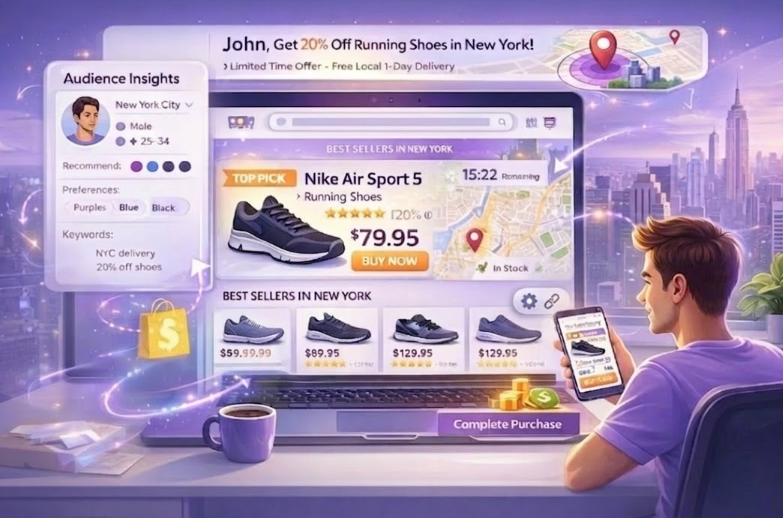



Complete Guide to SEO Okrs
In the competitive landscape of ecommerce, driving organic growth is essential for success. Ecommerce brands leveraging Shopify as their platform of choice are constantly seeking opportunities to enhance their online visibility and attract a qualified audience. This is where SEO Objectives and Key Results (OKRs) play a crucial role. By aligning your SEO goals with strategic OKRs, you can effectively optimize your Shopify store for improved search engine rankings, organic traffic, and ultimately, increased revenue.
ECommerce SEO
Enhancing your ecommerce website’s visibility and search engine rankings is vital for attracting potential customers. With AI-powered SEO strategies, you can optimize your Shopify store to appear prominently in search results, driving more targeted traffic and boosting conversions.
– Implementing advanced SEO techniques to improve website visibility and search engine rankings.
– Optimizing product pages, metadata, and structured data to enhance online presence.
– Leveraging AI tools to analyze consumer behavior and optimize product listings for improved search performance.
SEO Audit
Conducting a comprehensive SEO audit is the first step towards identifying areas for improvement and optimizing your Shopify store for enhanced search visibility.
– Performing a thorough audit of your website’s SEO performance to uncover technical issues and opportunities for optimization.
– Identifying and addressing on-page and off-page SEO factors affecting your website’s search rankings.
– Leveraging AI-powered tools to conduct in-depth keyword analysis, competitor research, and performance tracking.
Keyword Research
Keyword research is fundamental to developing a robust SEO strategy for your ecommerce store. By identifying and targeting relevant keywords, you can align your content with the search intent of your target audience, driving organic traffic and improving conversion rates.
– Utilizing AI-driven keyword research tools to identify high-value keywords with substantial search volume and low competition.
– Analyzing long-tail keywords and semantic variations to optimize product descriptions, category pages, and blog content.
– Incorporating localized keywords to capture regional search traffic and improve local SEO performance.
Local SEO
For ecommerce brands with physical locations or targeting specific geographic markets, optimizing for local SEO is critical. By leveraging AI-powered local SEO strategies, you can enhance your visibility in local search results and attract nearby customers to your Shopify store.
– Optimizing Google My Business profile and other local listings to improve local search visibility.
– Utilizing AI tools to analyze local search trends, customer location data, and regional preferences for targeted optimization.
– Implementing local SEO best practices to drive foot traffic to physical stores and boost online sales for local audiences.
Organic Growth
Achieving sustainable organic growth is a key objective for ecommerce brands. By aligning your SEO OKRs with organic growth targets, you can drive continuous improvements in search visibility, traffic acquisition, and revenue generation.
– Setting OKRs focused on increasing organic traffic, conversion rates, and revenue from SEO-driven initiatives.
– Leveraging AI-powered analytics to track and measure the impact of SEO efforts on organic growth metrics.
– Implementing dynamic SEO strategies to adapt to evolving search trends, algorithm updates, and consumer behavior.
Contextual Placement
Contextual placement of keywords and content is essential for maximizing the impact of your SEO efforts. By strategically integrating relevant keywords and content across your Shopify store, you can enhance search relevance and user engagement.
– Utilizing AI-powered content analysis tools to identify contextual opportunities for keyword placement within product descriptions, blog posts, and landing pages.
– Implementing structured data markup to provide search engines with contextual information about your products and services.
– Crafting compelling, contextually relevant content that resonates with your target audience and aligns with their search intent.
Content Creation
Creating high-quality, SEO-optimized content is integral to driving organic traffic and engaging your target audience. By leveraging AI-powered content creation tools, you can produce compelling, relevant content that resonates with both search engines and users.
– Incorporating AI-driven content generation and optimization tools to streamline the creation of product descriptions, blog posts, and category pages.
– Utilizing natural language processing and sentiment analysis to produce content that aligns with user intent and search relevance.
– Implementing content personalization strategies based on AI-driven audience insights and behavioral data to enhance user engagement.
Citations
Building authoritative citations and references across the web can significantly impact your SEO performance. By leveraging AI-powered citation management tools, you can ensure consistent and accurate information about your ecommerce brand across various online platforms.
– Utilizing AI tools to monitor and manage citations, business listings, and customer reviews for enhanced local SEO and brand reputation.
– Implementing structured data markup to provide search engines with contextual information about your products and services.
– Crafting compelling, contextually relevant content that resonates with your target audience and aligns with their search intent.
Brand Reputation
Managing and enhancing your brand reputation is crucial for establishing trust and credibility in the ecommerce space. By aligning your SEO OKRs with brand reputation goals, you can cultivate a positive online presence and strengthen customer perception of your Shopify store.
– Monitoring online mentions, reviews, and social media conversations using AI-powered sentiment analysis and brand monitoring tools.
– Implementing proactive reputation management strategies to address negative feedback, encourage positive reviews, and build brand advocacy.
– Leveraging AI-driven insights to understand customer sentiment, preferences, and perceptions, and optimizing your SEO efforts to align with brand reputation objectives.
Integrating AI-powered SEO strategies with strategic OKRs can empower ecommerce brands using Shopify to unlock the full potential of organic growth and revenue generation. By leveraging advanced SEO techniques, localized targeting, and audience insights, ecommerce brands can elevate their online visibility, attract qualified traffic, and drive more conversions, ultimately achieving sustainable growth and success in the competitive ecommerce landscape.