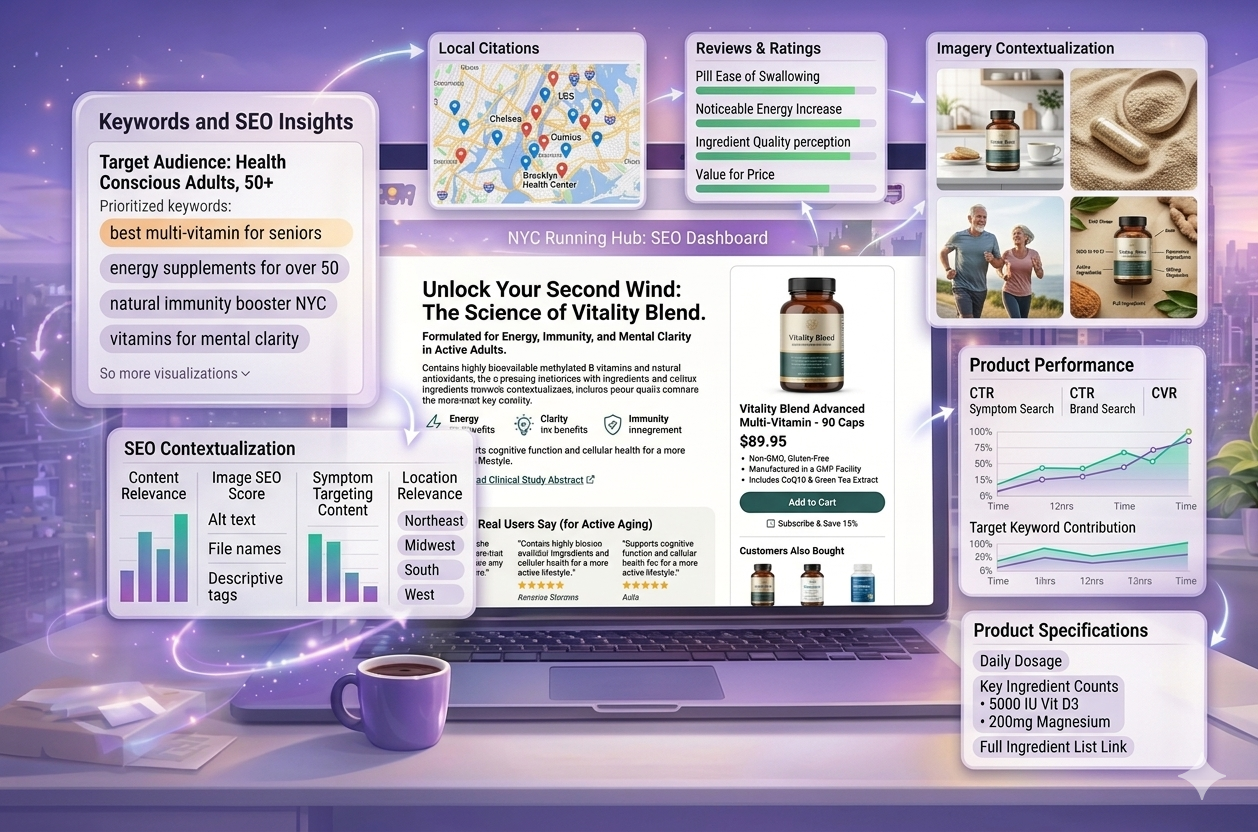



Complete Guide to SEO For Ecommerce Business
In the ever-competitive landscape of ecommerce, maximizing online visibility, attracting qualified traffic, and driving conversions are paramount to success. For ecommerce brands leveraging WooCommerce, integrating robust SEO strategies is essential to unlock the full potential of their online store. With the right SEO approach, brands can position themselves for organic growth, localized targeting, and improved brand reputation. This article delves into the pivotal role of SEO for ecommerce businesses using WooCommerce, covering key aspects such as eCommerce SEO, SEO Audit, Keyword Research, Local SEO, Organic Growth, Contextual Placement, Content Creation, Citations, and Brand Reputation.
ECommerce SEO
– Implementing strategic on-page and off-page SEO tactics to optimize product pages, category pages, and overall website structure for improved search engine visibility.
– Leveraging structured data markup and rich snippets to enhance product listing visibility in search results.
– Crafting compelling meta titles, descriptions, and engaging content to improve click-through rates and user engagement.
SEO Audit
– Conducting comprehensive website audits to identify technical SEO issues, content gaps, and opportunities for improvement.
– Analyzing website performance, including site speed, mobile-friendliness, and crawlability, to ensure optimal user experience and search engine accessibility.
Keyword Research
– Utilizing advanced keyword research tools to identify high-value, relevant keywords and long-tail phrases with substantial search volume and low competition.
– Understanding user search intent and aligning keyword strategy with product offerings to capture organic traffic effectively.
Local SEO
– Optimizing business listings, including Google My Business, for local search visibility and attracting nearby customers.
– Implementing location-based keywords, customer reviews, and localized content to target specific geographic markets and drive foot traffic to physical stores.
Organic Growth
– Developing a long-term SEO strategy focused on sustainable organic growth, leveraging white-hat practices and relevant, high-quality backlink acquisition.
– Emphasizing user experience, site performance, and valuable content to enhance brand authority and trustworthiness in the eyes of search engines and users.
Contextual Placement
– Strategically integrating keywords and related terms into content, meta tags, and product descriptions for contextual relevance and improved search engine indexing.
– Leveraging internal linking to establish content hierarchy and guide search engine crawlers to essential pages within the website.
Content Creation
– Crafting engaging, informative content such as blog articles, product guides, and multimedia resources to cater to user needs and capture organic search traffic.
– Incorporating targeted keywords and addressing common pain points to establish thought leadership and provide valuable insights to potential customers.
Citations
– Ensuring consistent business information across online directories, review platforms, and industry-specific websites to reinforce brand credibility and local search presence.
– Garnering positive reviews and testimonials to build trust and authority within the ecommerce niche and local markets.
Brand Reputation
– Monitoring and managing online reputation through proactive review management, addressing customer feedback, and maintaining transparency in business practices.
– Incorporating brand mentions, social signals, and positive press coverage to bolster brand reputation and authority in the ecommerce space.
Leveraging WooCommerce with a robust SEO strategy can significantly impact an ecommerce brand’s bottom line. With a focus on AI-powered SEO, localized targeting, and audience insights, brands can tap into new revenue streams and achieve sustainable growth in the digital marketplace.