


Complete Guide to SEO For Ecommerce 2026
In the ever-evolving landscape of ecommerce, the pursuit of sustainable growth and increased revenue is a constant challenge for businesses. As technology continues to shape the way consumers discover and interact with products and services online, the role of search engine optimization (SEO) has become increasingly vital for ecommerce brands. In this article, we delve into the world of SEO for ecommerce in 2026, with a specific focus on how it relates to WooCommerce. Whether you are a seasoned ecommerce professional or a brand owner looking to tap into the potential of organic growth, this comprehensive guide is designed to provide actionable insights and strategies to elevate your online presence and drive meaningful results.
Ecommerce SEO
– Harnessing the power of SEO to enhance the visibility and ranking of your WooCommerce store
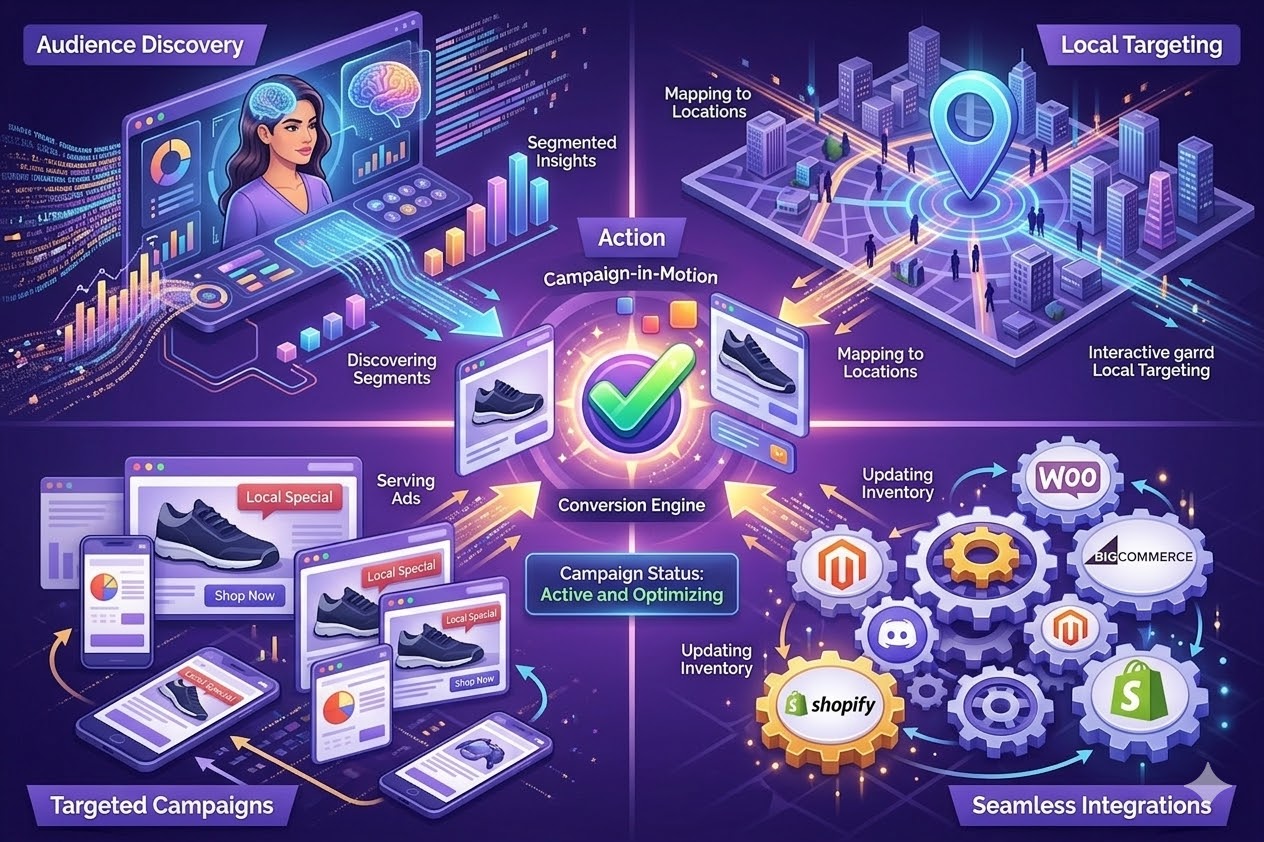
– Leveraging AI-powered tools for intelligent optimization and audience targeting
– Implementing technical best practices to improve site speed, mobile responsiveness, and user experience
– Crafting compelling meta descriptions, title tags, and product descriptions to enhance click-through rates and conversions
SEO Audit
– Conducting a thorough assessment of your ecommerce website’s current SEO performance
– Identifying technical issues, broken links, and crawl errors that may hinder search engine visibility
– Analyzing keyword performance, traffic patterns, and user engagement metrics to inform strategic decision-making
– Utilizing data-driven insights to develop a roadmap for ongoing SEO improvements and optimizations
Keyword Research
– Uncovering high-intent, low-competition keywords relevant to your ecommerce niche and target audience
– Understanding search trends, user intent, and semantic search to align content with consumer needs
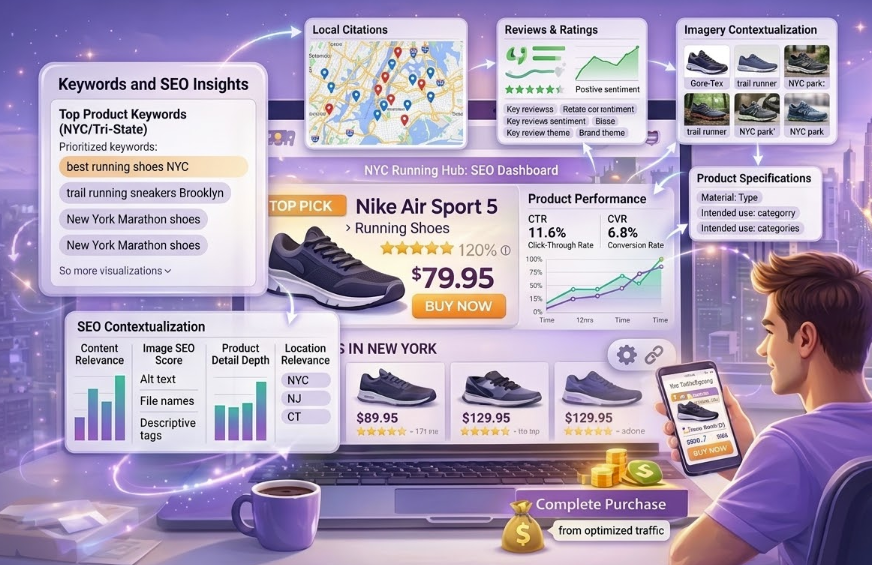
– Implementing long-tail keywords and localized search terms to capture targeted, high-converting traffic
– Leveraging keyword research tools and AI-driven platforms to streamline the discovery and prioritization of strategic keywords
Local SEO
– Optimizing your WooCommerce store for local search queries and geographic targeting
– Cultivating positive reviews, local citations, and structured data to enhance local search visibility
– Building location-based landing pages and geo-targeted content to connect with regional audiences
– Utilizing Google My Business and other local SEO tools to amplify your brand’s presence in specific markets
Organic Growth
– Embracing a holistic approach to sustainable growth through organic search and audience engagement
– Fostering brand loyalty, trust, and authority through valuable, informative content and storytelling
– Cultivating a diverse backlink profile and engaging in ethical link-building practices to amplify your domain authority
– Harnessing the power of user-generated content, social proof, and influencer partnerships to fuel organic growth
Contextual Placement
– Strategically integrating keywords, internal links, and semantic markup to enhance content relevance
– Embracing a user-centric approach to content creation and aligning with search engine algorithms
– Leveraging AI-driven content optimization tools to enhance contextual placement and semantic coherence
– Ensuring that your ecommerce content resonates with both search engines and human audiences
Content Creation
– Developing a robust content strategy that resonates with your ecommerce brand’s unique value proposition
– Crafting engaging, SEO-optimized product descriptions, category pages, and informational content
– Embracing multimedia content formats, including videos, infographics, and interactive experiences
– Aligning content creation with user intent, search trends, and the evolving needs of your target audience
Citations
– Nurturing a strong network of high-quality citations, business listings, and directory mentions
– Optimizing P (name, address, phone number) consistency across digital platforms and local directories
– Leveraging citation building tools and AI-powered platforms to streamline the management of local citations
– Monitoring and responding to customer reviews, feedback, and inquiries across various citation sources
Brand Reputation
– Elevating your ecommerce brand’s reputation through proactive reputation management strategies
– Monitoring brand mentions, sentiment analysis, and social media conversations to safeguard your online image
– Constructing a compelling brand narrative and leveraging storytelling to foster emotional connections with your audience
– Employing AI-driven sentiment analysis tools to gain actionable insights into consumer perceptions and sentiment trends
To conclude
As ecommerce brands navigate the dynamic landscape of digital marketing and online commerce, the strategic implementation of SEO for ecommerce in 2026 is poised to be a transformative driver of growth and success. By harnessing the power of AI-driven tools, insightful data analytics, and a holistic approach to audience engagement, WooCommerce brands can elevate their visibility, attract qualified traffic, and drive meaningful conversions. The journey to sustainable growth and revenue acceleration begins with a robust SEO strategy tailored to the unique needs and aspirations of your ecommerce brand.