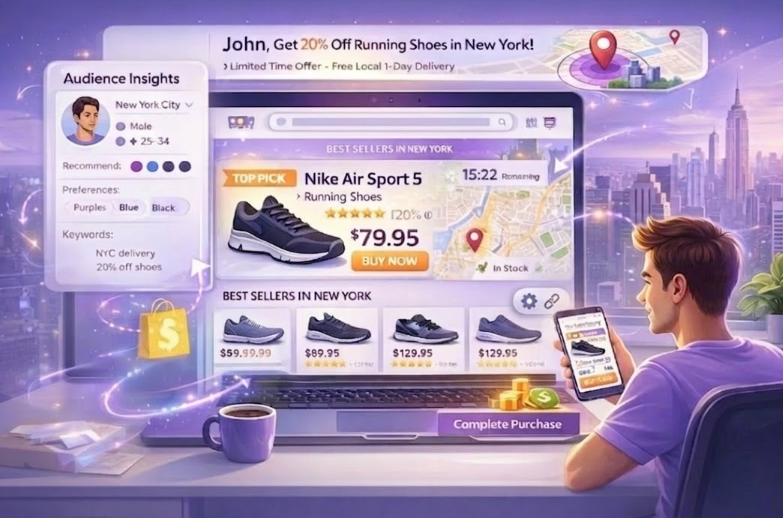



Complete Guide to SEO Defined
Getting your brand noticed by potential customers is crucial for driving sales and revenue. One powerful way to enhance your online presence is by leveraging the capabilities of Shopify, a leading ecommerce platform. By acknowledging and implementing SEO strategies effectively, ecommerce brands can significantly boost their visibility, attract qualified traffic, and ultimately drive more conversions. In this comprehensive guide, we will delve into the technical aspects of SEO as it relates to Shopify, with a focus on empowering ecommerce brands to harness the true potential of organic growth.
ECommerce SEO
When it comes to ecommerce, SEO is not just about ranking high in search engine results. It’s about creating a seamless and engaging online experience for potential customers. Here’s how SEO can be defined in the context of Shopify:
– SEO Defined: Understanding the fundamental principles of search engine optimization is essential for ecommerce brands looking to thrive in the digital space. SEO encompasses a wide range of strategies and tactics aimed at improving a website’s visibility in search engine results pages, driving organic traffic, and enhancing user experience.
– Shopify’s SEO Capabilities: Shopify offers a robust set of tools and features to optimize your ecommerce website for search engines. From customizable meta tags to mobile responsiveness, Shopify provides the essential elements to lay a strong foundation for SEO success.
– AI-Powered SEO: With the integration of AI-powered solutions, ecommerce brands can gain valuable insights into consumer behavior, keyword trends, and content performance. Leveraging AI for SEO empowers brands to make data-driven decisions and stay ahead in the dynamic digital landscape.
SEO Audit
Conducting a comprehensive SEO audit is the first step towards acknowledging the current state of your ecommerce website’s optimization. Here are some key aspects to consider:
– Technical SEO Evaluation: Assessing the technical aspects of your website, including site speed, mobile-friendliness, URL structure, and crawlability, is crucial for identifying areas that need improvement.
– Content Quality Analysis: Evaluating the quality and relevance of your website’s content, including product descriptions, blog posts, and landing pages, is essential for aligning with search intent and user expectations.
– Backlink Profile Review: Analyzing the backlink profile of your ecommerce website helps in acknowledging the authority and credibility of your online presence. Building high-quality and relevant backlinks is pivotal for enhancing SEO performance.
Keyword Research
Keyword research forms the backbone of any successful SEO strategy. In the context of ecommerce and Shopify, acknowledging the intent behind user queries and identifying relevant keywords can make a significant impact on your organic visibility:
– User Intent Analysis: Understanding the search intent behind user queries is crucial for aligning your product pages and content with what potential customers are looking for. Whether it’s informational, navigational, or transactional, catering to user intent is key.
– Long-Tail Keyword Focus: Identifying and targeting long-tail keywords specific to your products and niche can drive highly targeted traffic to your ecommerce website. Long-tail keywords often exhibit lower competition and higher conversion potential.
– Competitor Analysis: Analyzing the keywords your competitors are targeting can provide valuable insights into untapped opportunities and emerging trends within your industry. It’s essential to stay abreast of your competitors’ SEO strategies and adapt accordingly.
Local SEO
For ecommerce brands with physical locations or targeting local markets, optimizing for local search is vital. Here’s how local SEO can be leveraged within the Shopify ecosystem:
– Google My Business Integration: Integrating your ecommerce website with Google My Business and optimizing your business profile can enhance your local visibility and attract potential customers in your vicinity.
– Localized Content Creation: Creating location-specific content, such as city-based landing pages, local event promotions, and region-specific product offers, can effectively target local audiences and improve organic visibility in relevant geographic areas.
– Customer Reviews and Citations: Encouraging and managing customer reviews on platforms like Yelp, Facebook, and industry-specific directories can boost your brand’s reputation and local search rankings. Consistent business citations across reputable platforms further strengthen your local SEO efforts.
Organic Growth
Achieving sustainable and scalable growth through organic channels is a primary goal for ecommerce brands. Here’s how organic growth can be fostered within the Shopify environment:
– Content Creation Strategies: Developing a robust content strategy that incorporates blog posts, product guides, how-to articles, and engaging visuals can attract and retain organic traffic while showcasing your brand’s expertise and authority.
– Seamless Integration with Social Media: Leveraging Shopify’s seamless integration with social media platforms allows ecommerce brands to amplify their organic reach, engage with their audience, and drive traffic back to their website through compelling social content.
– Mobile Optimization: With the majority of online traffic coming from mobile devices, ensuring a seamless and optimized mobile experience on Shopify is crucial for capturing organic traffic and providing a user-friendly browsing and purchasing journey.
Contextual Placement
Contextual placement of keywords and content within your ecommerce website plays a pivotal role in optimizing for search engines and enhancing user experience. Here’s how contextual placement can be optimized within a Shopify environment:
– Product Page Optimization: Incorporating relevant keywords in product titles, descriptions, and meta tags, while ensuring a natural and informative flow, can improve the visibility of your products in search results.
– Internal Linking Strategy: Establishing a robust internal linking structure within your ecommerce website can improve user navigation and distribute link equity, leading to enhanced indexation and organic rankings for key pages.
– Rich Snippets and Structured Data: Implementing structured data markup to provide search engines with detailed information about your products, reviews, and business can result in rich snippets and enhanced visibility in search results.
Content Creation
Compelling and valuable content lies at the heart of successful SEO and organic growth strategies. Here’s how ecommerce brands can create impactful content within the Shopify ecosystem:
– Product Descriptions and Storytelling: Crafting engaging and descriptive product narratives that resonate with your target audience not only enhances the user experience but also contributes to improved organic rankings for product-related queries.
– Blogging and Industry Insights: Publishing insightful and relevant blog content that addresses industry trends, customer pain points, and solutions can position your brand as a thought leader while attracting organic traffic and backlinks.
– Visual and Video Content: Incorporating visually appealing product images, infographics, and videos can enrich your website’s content, capture user attention, and contribute to a diverse and engaging user experience.
Citations
Building a strong online presence across various platforms and directories is crucial for establishing trust and authority. Here’s how citations can contribute to your ecommerce brand’s SEO efforts:
– P Consistency: Ensuring consistency in your business’s name, address, and phone number (P) across different online platforms, directories, and listings is fundamental for local SEO and brand credibility.
– Industry-Relevant Directories: Listing your ecommerce business in industry-specific directories and platforms can not only enhance your brand’s visibility within your niche but also contribute to valuable backlinks and referral traffic.
– Local Community Engagement: Participating in local events, sponsorships, and community initiatives can generate positive brand mentions, local citations, and social proof, thereby strengthening your brand’s local SEO footprint.
Brand Reputation
A strong and reputable brand image is essential for attracting and retaining customers while bolstering SEO performance. Here’s how ecommerce brands can manage and enhance their brand reputation within the Shopify ecosystem:
– Online Reputation Management: Monitoring and responding to customer reviews, feedback, and inquiries across various online platforms demonstrates proactive brand engagement and fosters trust among potential customers.
– Social Proof and Testimonials: Showcasing customer testimonials, social media mentions, and user-generated content on your ecommerce website can reinforce your brand’s credibility and positively influence organic conversions.
– Brand Consistency and Messaging: Maintaining a consistent brand voice, visual identity, and messaging across your website, social media, and other online touchpoints can instill confidence and recognition in your target audience.
Wrapping up
By harnessing the power of SEO within the Shopify ecosystem, ecommerce brands can unlock substantial opportunities for organic growth, increased visibility, and revenue generation. From in-depth keyword research to localized targeting and strategic content creation, incorporating SEO best practices can pave the way for sustainable and scalable success in the competitive digital landscape.