


Complete Guide to My Business Isn’T Showing Up On Google Maps
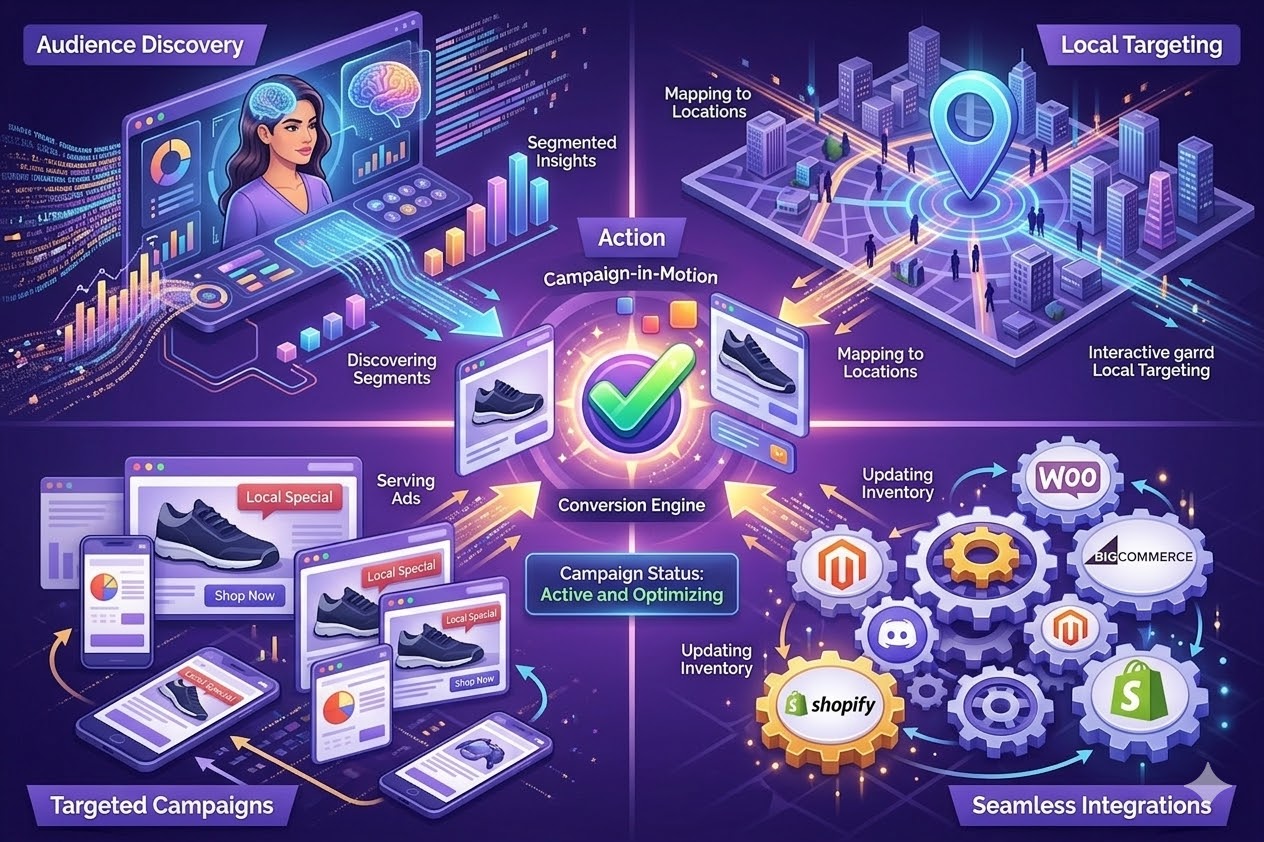
Ecommerce SEO plays a pivotal role in ensuring your business is visible on Google Maps. It involves optimizing your Shopify store to enhance its visibility in search engine results, including Google Maps. By implementing effective ecommerce SEO strategies, you can improve your chances of showing up on Google Maps, thereby increasing your online visibility and attracting more potential customers.
SEO Audit
Conducting a comprehensive SEO audit for your Shopify store is essential to identify any areas for improvement. This involves assessing your website’s technical aspects, content quality, and overall SEO performance. By addressing any issues uncovered during the audit, you can enhance your store’s chances of appearing on Google Maps and improve its overall online visibility.
Keyword Research
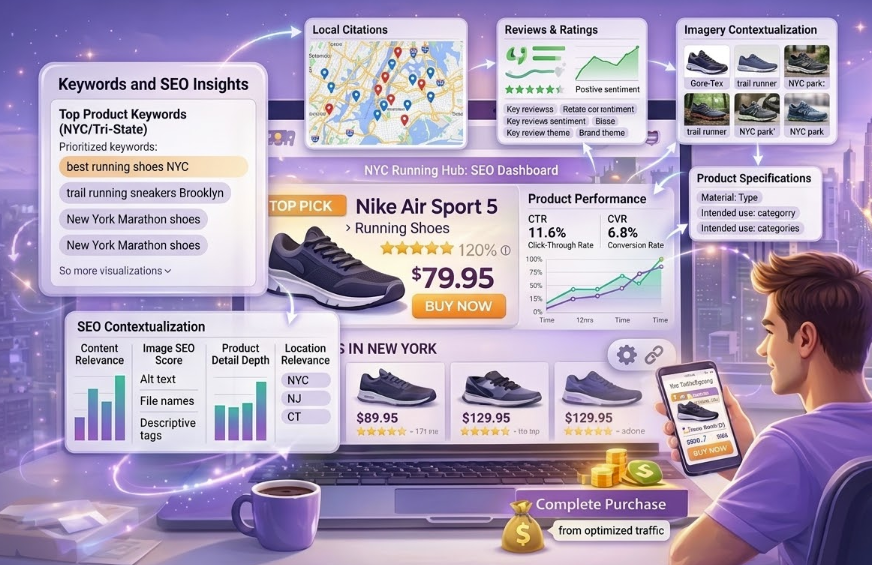
Keyword research is a critical component of optimizing your ecommerce business for Google Maps. By identifying relevant keywords that your target audience is likely to use when searching for products or services similar to yours, you can tailor your content and optimize your Shopify store to align with these keywords. This can significantly improve your chances of appearing on Google Maps for relevant searches, driving organic traffic to your store.
Local SEO
Local SEO is particularly important for businesses aiming to show up on Google Maps. By optimizing your Shopify store for local searches and ensuring accurate business information, such as location and contact details, you can enhance your store’s visibility on Google Maps for users in your area. This localized targeting can be instrumental in driving foot traffic to your physical store, as well as directing online users to your ecommerce platform.
Organic Growth
Achieving organic growth for your ecommerce business involves establishing a strong online presence and attracting qualified traffic without relying solely on paid advertising. By leveraging Google Maps as a platform to reach potential customers, you can drive organic growth for your Shopify store. This can lead to increased brand visibility, customer engagement, and ultimately, higher revenue generation.
Contextual Placement
Contextual placement of your business on Google Maps involves ensuring that your store appears in relevant search results based on user intent and location. By strategically positioning your business on Google Maps through localized targeting and relevant content, you can increase the likelihood of capturing the attention of potential customers in your target market.
Content Creation
Creating high-quality, relevant content for your Shopify store is essential for improving its visibility on Google Maps. By developing content that aligns with your target audience’s search queries and interests, you can enhance your store’s chances of showing up in Google Maps results. This can include creating location-specific content and optimizing product descriptions with relevant keywords.
Citations
Citations play a crucial role in establishing the credibility and authority of your business, which can impact its visibility on Google Maps. By ensuring that your Shopify store is listed accurately and consistently across various online directories and platforms, you can enhance its chances of appearing on Google Maps for relevant searches. This can also contribute to building a strong brand reputation.
Brand Reputation
Building a strong brand reputation is essential for improving your Shopify store’s visibility on Google Maps. Positive customer reviews, active engagement with your audience, and consistent branding efforts can contribute to a favorable brand reputation, which can positively impact your store’s presence on Google Maps. By prioritizing brand reputation, you can enhance your store’s credibility and attract more customers.
Optimizing your ecommerce business for Google Maps is a strategic approach to increasing visibility, attracting qualified traffic, and driving revenue growth through Shopify. By implementing effective ecommerce SEO, conducting SEO audits, and focusing on local SEO, organic growth, contextual placement, content creation, citations, and brand reputation, you can enhance your store’s chances of showing up on Google Maps and reaching a wider audience.