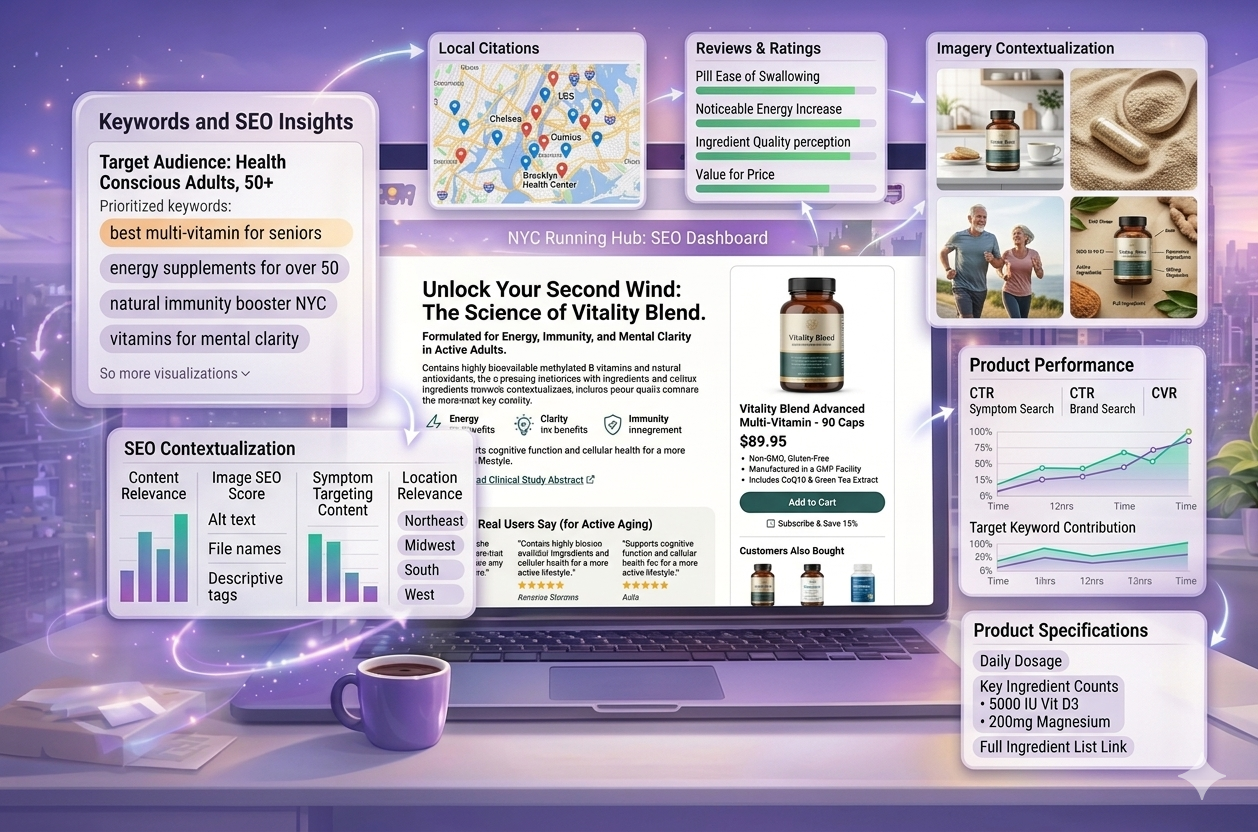



Complete Guide to How To Rank Higher On Google
In the fiercely competitive landscape of ecommerce, ranking higher on Google can make all the difference in driving traffic and increasing revenue. With Shopify as your ecommerce platform, the potential for growth is vast, but knowing the intricacies of search engine optimization (SEO) is crucial to harness its full potential. This comprehensive guide will equip you with the knowledge and tools needed to elevate your Shopify store’s visibility on Google, ultimately leading to increased organic traffic and revenue.
ECommerce SEO
Achieving high rankings on Google requires a holistic approach to ecommerce SEO. By optimizing various elements of your Shopify store, you can enhance its visibility and attract more qualified traffic. Here are the key factors to consider:
– Website structure and navigation: Ensure your Shopify store is well-organized and easy to navigate, allowing both users and search engines to find and understand your content effectively.
– Page load speed: Optimize your website’s performance to provide a seamless user experience, which is a crucial factor in Google’s ranking algorithm.
– Mobile-friendliness: With the majority of internet traffic coming from mobile devices, it’s essential to have a responsive and mobile-friendly Shopify store to cater to this audience.
SEO Audit
Before embarking on any SEO strategy, conducting a thorough audit of your Shopify store is essential. This involves assessing the current state of your website’s SEO, identifying areas for improvement, and developing a comprehensive plan to address any issues. Key aspects of an SEO audit include:
– Technical SEO: Assessing the technical aspects of your Shopify store, such as crawlability, indexability, and site architecture, to ensure that search engines can effectively crawl and index your content.
– On-page SEO: Evaluating the optimization of individual pages, including meta tags, headings, and content quality, to ensure they align with best practices for SEO.
– Off-page SEO: Analyzing the external factors influencing your store’s SEO, such as backlink profile and brand mentions, to understand your site’s authority and relevance within its niche.
Keyword Research
Effective keyword research is the cornerstone of any successful SEO strategy. By identifying the right keywords to target, you can optimize your Shopify store’s content to align with the search terms your target audience is using. Key considerations for keyword research include:
– Relevance: Select keywords that are highly relevant to your products or services, ensuring that they accurately reflect what your store offers.
– Search volume: Prioritize keywords with a significant search volume to maximize the potential for attracting traffic to your Shopify store.
– Competition: Assess the level of competition for each keyword to determine the feasibility of ranking for it within your niche.
Local SEO
For ecommerce brands with a physical presence or targeting specific geographic locations, local SEO is essential for driving relevant traffic to your Shopify store. Here are some key considerations for optimizing your store for local search:
– Google My Business: Claim and optimize your Google My Business listing to enhance your store’s visibility in local search results and attract nearby customers.
– Local citations: Ensure your store’s information, such as name, address, and phone number, is consistently and accurately listed across various online directories and platforms.
– Localized content: Create content that is tailored to local audiences, addressing their specific needs and preferences to improve your store’s relevance in local search results.
Organic Growth
Achieving sustainable, organic growth for your Shopify store involves implementing strategies that prioritize long-term success. Here are some key tactics to foster organic growth:
– High-quality content: Develop engaging and informative content that resonates with your target audience and demonstrates your expertise within your niche.
– User experience optimization: Continuously refine and improve the user experience on your Shopify store, ensuring that visitors have a seamless and enjoyable interaction with your brand.
– Social proof and reviews: Leverage customer testimonials and reviews to build trust and credibility, ultimately driving organic growth through word-of-mouth and referrals.
Contextual Placement
Contextual placement of your content plays a crucial role in its visibility and impact on search engines. By strategically placing relevant keywords and optimizing your content for user intent, you can enhance its contextual relevance and improve its performance on Google.
Content Creation
Creating valuable and optimized content is a cornerstone of successful ecommerce SEO. By developing high-quality, relevant, and engaging content, you can attract and retain your target audience while also signaling to search engines that your Shopify store is a valuable resource within its niche.
Citations
Citations, which are mentions of your store’s name, address, and phone number on external websites, play a critical role in local SEO. By ensuring consistent and accurate citations across various online platforms, you can strengthen your store’s relevance and authority in local search results.
Brand Reputation
Your store’s brand reputation is a significant factor in its overall visibility and success in search engine rankings. By cultivating a strong and positive brand reputation through exceptional customer experiences, quality products, and active engagement, you can enhance your store’s standing in the eyes of both consumers and search engines.
Mastering the art of ranking higher on Google with Shopify requires a strategic and comprehensive approach to ecommerce SEO. By optimizing your Shopify store for search engines, leveraging local SEO tactics, and fostering organic growth through valuable content and exceptional user experiences, you can elevate your store’s visibility and drive sustainable revenue growth.