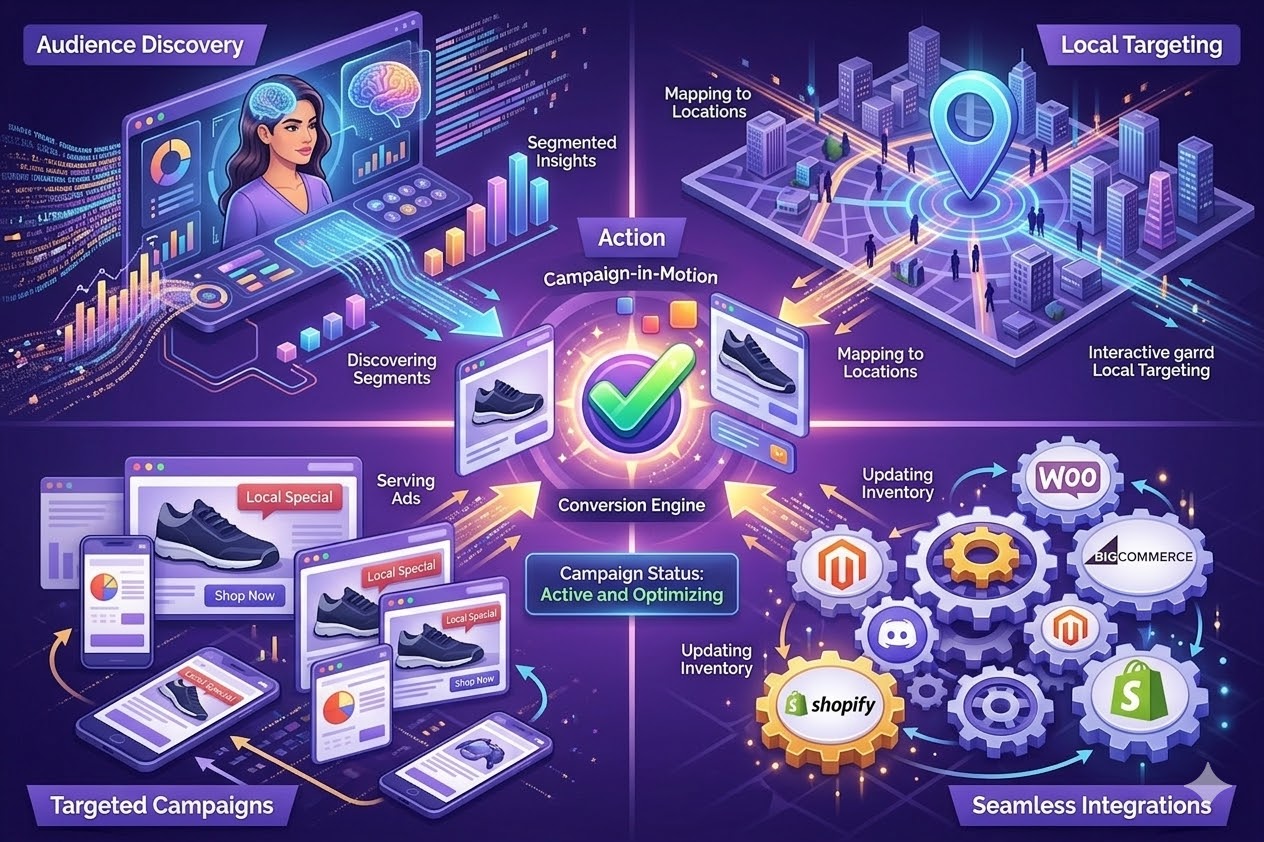



Complete Guide to How To Pick Keywords For Your Website
In the competitive world of ecommerce, standing out from the crowd is essential for success. One powerful way to increase your online visibility and attract qualified traffic is through strategic keyword selection. For ecommerce brands using Shopify, realizing how to pick the right keywords can significantly impact your website’s performance and ultimately drive more conversions. In this comprehensive guide, we will delve into the intricacies of keyword research, SEO optimization, and organic growth strategies tailored specifically for Shopify ecommerce brands.
ECommerce SEO
When it comes to ecommerce, search engine optimization (SEO) is a critical component of a successful online presence. By optimizing your website for search engines, you can improve your visibility and drive targeted traffic to your online store. For Shopify ecommerce brands, implementing effective SEO strategies can make a substantial difference in capturing the attention of potential customers.
– Conduct a thorough SEO audit to identify areas for improvement
– Implement on-page and off-page SEO tactics to boost your website’s ranking
– Leverage AI-powered tools to gain valuable insights into your target audience and their search behaviors
SEO Audit
Before diving into keyword research, it’s imperative to conduct a comprehensive SEO audit of your Shopify website. An audit will help you identify any technical issues, assess your current keyword performance, and uncover opportunities for improvement. By addressing the findings of the audit, you can lay a solid foundation for effective keyword optimization and overall SEO enhancement.
– Analyze the technical aspects of your website, including site speed, mobile-friendliness, and crawlability
– Evaluate the current keyword rankings and identify high-potential keywords for optimization
– Identify and rectify any issues with site architecture, URL structure, and meta tags
Keyword Research
Keyword research forms the bedrock of successful SEO and content marketing strategies. For ecommerce brands on Shopify, selecting the right keywords is essential for reaching potential customers and driving relevant traffic to your online store. By leveraging advanced keyword research techniques, you can identify valuable search terms that align with your products, services, and target audience.
– Utilize keyword research tools to identify high-volume and low-competition keywords relevant to your ecommerce niche
– Consider long-tail keywords to capture specific search intents and enhance your content targeting
– Analyze competitor keywords to gain insights and identify opportunities for differentiation
Local SEO
For ecommerce brands with a local presence, optimizing for local search is crucial for attracting nearby customers to your physical or online store. Local SEO for Shopify ecommerce brands involves targeting location-specific keywords, optimizing Google My Business profiles, and obtaining positive local citations to enhance your visibility within your target geographical area.
– Optimize your website and content for location-based keywords to attract local customers
– Ensure your business information is consistent across all online directories and platforms
– Encourage customer reviews and feedback to strengthen your local reputation and credibility
Organic Growth
Achieving sustainable and organic growth for your Shopify ecommerce brand requires a holistic approach to SEO and keyword optimization. By focusing on creating valuable, relevant, and engaging content that resonates with your target audience, you can foster organic growth and build long-term relationships with your customers.
– Develop a content strategy centered around user intent and search relevance
– Create high-quality and informative content that addresses the needs and interests of your target audience
– Leverage social media platforms and influencer partnerships to expand your brand’s reach and visibility
Contextual Placement
Effective keyword optimization extends beyond simply incorporating keywords into your content. Contextual placement of keywords involves strategically integrating them into your website copy, product descriptions, blog posts, and other content elements to ensure a natural and seamless user experience while signaling relevance to search engines.
– Integrate keywords naturally within your content to enhance readability and user experience
– Optimize meta tags, headings, and image alt text with targeted keywords for improved search visibility
– Avoid keyword stuffing and focus on creating valuable, informative content that naturally incorporates relevant keywords
Content Creation
Compelling and informative content lies at the heart of successful SEO and keyword optimization strategies for Shopify ecommerce brands. By creating engaging and valuable content that aligns with your target audience’s interests and search intents, you can establish your brand as an authoritative source within your niche and drive organic traffic to your website.
– Develop a content calendar that aligns with your keyword strategy and addresses the diverse needs of your audience
– Create diverse content formats, including blog posts, product guides, videos, and infographics, to cater to different user preferences
– Optimize your content for mobile devices and voice search to capture a wider range of audience interactions
Citations
Building a robust network of citations and backlinks is essential for strengthening your Shopify ecommerce brand’s online presence and authority. By obtaining relevant and trustworthy citations from reputable sources, you can reinforce your brand’s credibility and signal to search engines the significance of your website within your industry.
– Seek out authoritative websites and directories to secure citations and backlinks for your ecommerce brand
– Ensure consistency in your business information across all citations and backlink sources
– Monitor and manage your backlink profile to identify and address any potentially harmful or irrelevant links
Brand Reputation
Maintaining a positive and reputable online brand presence is fundamental for earning the trust and confidence of your target audience. By consistently delivering high-quality products, exceptional customer service, and valuable content, you can cultivate a strong brand reputation that resonates with potential customers and contributes to sustainable organic growth.
– Foster positive customer experiences and collect genuine customer testimonials to showcase your brand’s credibility
– Actively engage with your audience on social media and address any feedback or inquiries promptly
– Monitor and manage online reviews and mentions to uphold your brand’s reputation and address any negative feedback proactively
Mastering the art of keyword research and implementation is a pivotal aspect of driving organic growth and increased revenue for Shopify ecommerce brands. By leveraging advanced SEO strategies, embracing localized targeting, prioritizing valuable content creation, and nurturing a strong brand reputation, ecommerce brands can position themselves for sustained success and profitability in the competitive online landscape.