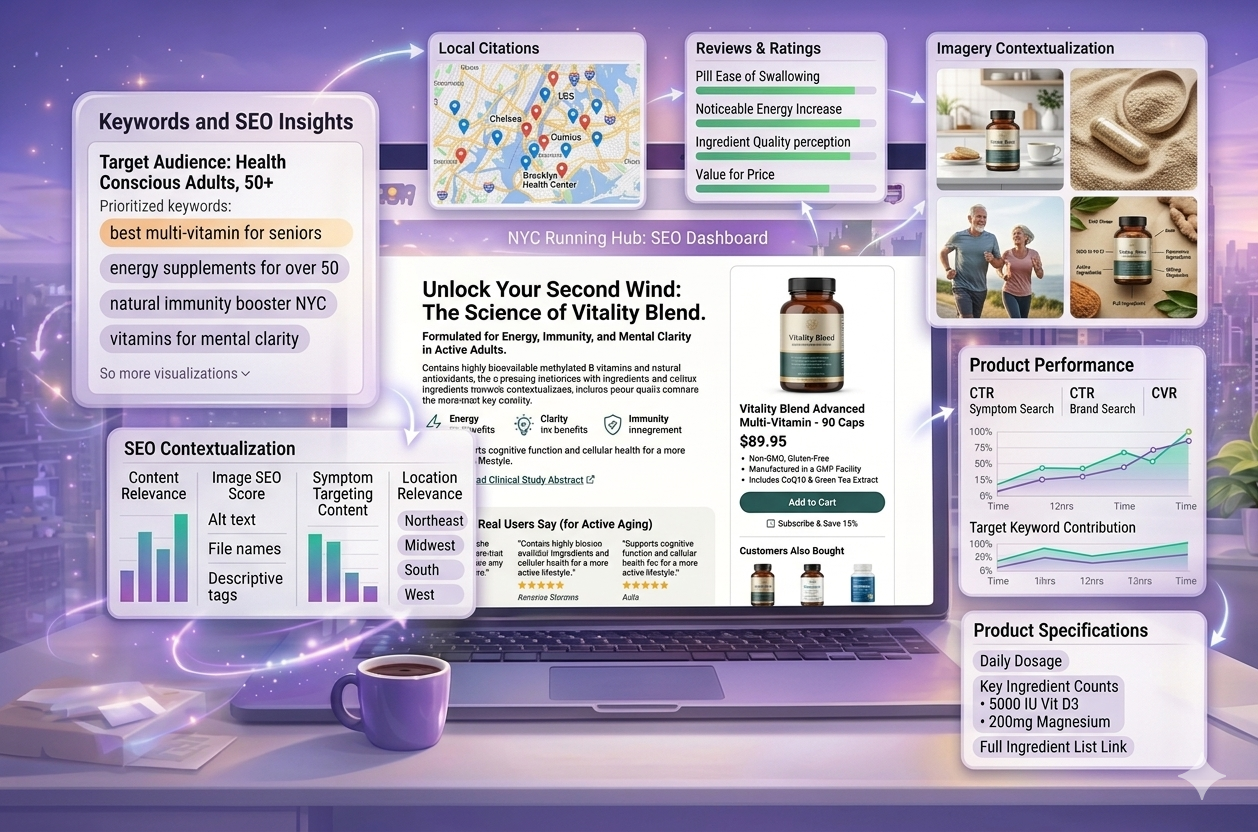



Complete Guide to How To Optimize Ecommerce Homepage SEO
In the ever-evolving world of ecommerce, it’s crucial for brands to maximize their online visibility and reach the right audience. Optimizing your ecommerce homepage’s SEO is a fundamental step towards achieving this goal. With the help of Shopify, a leading ecommerce platform, you can take your brand to new heights by leveraging advanced SEO techniques. In this detailed guide, we’ll delve into the essential strategies and best practices for optimizing your ecommerce homepage SEO on Shopify, aimed at helping ecommerce brands drive organic growth and increase revenue.
Ecommerce SEO
Optimizing your ecommerce website for search engines is a multifaceted process that involves various elements, such as on-page optimization, technical SEO, and content strategy. With Shopify’s robust infrastructure, you can implement the following strategies to enhance your ecommerce SEO:
– Utilize Shopify’s built-in SEO features, including customizable title tags, meta descriptions, and URL structures, to optimize your product pages and category pages for relevant keywords.
– Implement structured data markup to provide search engines with detailed information about your products, enabling rich snippets and enhanced visibility in search results.
– Leverage Shopify apps and plugins designed to streamline SEO tasks, such as image optimization, sitemap generation, and schema markup integration.
SEO Audit
Conducting a comprehensive SEO audit is essential for identifying areas of improvement and ensuring that your ecommerce website is optimized for search engines. When using Shopify, you can perform an SEO audit by:
– Analyzing your website’s performance using Shopify’s built-in analytics tools to gain insights into traffic, user behavior, and conversion metrics.
– Utilizing third-party SEO auditing tools to assess technical aspects like site speed, mobile-friendliness, and crawlability, and address any issues that may impact your SEO performance.
Keyword Research
Effective keyword research is crucial for targeting the right audience and optimizing your ecommerce homepage for relevant search queries. With Shopify, you can:
– Use keyword research tools to discover high-value keywords related to your products and industry, and strategically incorporate them into your website content and meta tags.
– Leverage Shopify’s integration with Google Analytics and Google Search Console to analyze keyword performance, identify new keyword opportunities, and refine your SEO strategy accordingly.
Local SEO
For ecommerce brands with a physical presence or targeting local markets, optimizing for local SEO is paramount. With Shopify, you can enhance your local SEO efforts by:
– Creating location-specific landing pages to target local keywords and attract nearby customers.
– Utilizing Shopify’s advanced geotargeting features to display location-based content and offers to users based on their geographic location.
Organic Growth
Driving organic growth is a primary objective for ecommerce brands, and Shopify provides a range of tools and features to support this endeavor. You can achieve organic growth by:
– Creating high-quality, relevant content that resonates with your target audience and addresses their needs and interests.
– Leveraging Shopify’s integrations with social media platforms, email marketing services, and content management systems to amplify your content reach and engage potential customers.
Contextual Placement
Contextual placement of keywords and content plays a crucial role in improving your ecommerce homepage’s SEO performance. With Shopify, you can optimize contextual placement by:
– Crafting compelling product descriptions, blog posts, and landing page content that seamlessly incorporate relevant keywords and provide valuable information to users.
– Utilizing Shopify’s content management capabilities to organize and structure your website content effectively, enhancing user experience and search engine visibility.
Content Creation
Creating captivating and informative content is integral to engaging your audience and attracting organic traffic. Shopify empowers you to excel in content creation by:
– Utilizing Shopify’s blogging platform to publish in-depth articles, guides, and industry insights that resonate with your target audience and establish your brand as a thought leader in your niche.
– Integrating multimedia elements such as videos, infographics, and product galleries to enrich your content and enhance user engagement.
Citations
Building citations and maintaining consistent business information across online directories is essential for local SEO and brand visibility. With Shopify, you can manage citations by:
– Leveraging Shopify’s integrations with local business directories and review platforms to ensure accurate and up-to-date business information, such as address, phone number, and operating hours.
– Monitoring and responding to customer reviews and feedback through Shopify’s native review management tools, fostering a positive brand reputation and strengthening local SEO efforts.
Brand Reputation
Establishing a strong brand reputation is pivotal for ecommerce success, and Shopify provides tools and features to bolster your brand’s credibility and trustworthiness. You can enhance your brand reputation by:
– Showcasing customer testimonials, ratings, and reviews prominently on your ecommerce homepage, leveraging Shopify’s review widgets and testimonial integrations to build social proof.
– Utilizing Shopify’s email marketing capabilities to nurture customer relationships, gather feedback, and encourage repeat purchases, fostering brand loyalty and advocacy.
Optimizing your ecommerce homepage SEO with Shopify’s robust features and integrations is an indispensable strategy for driving organic growth, increasing visibility, and attracting qualified traffic to your online store. By implementing the outlined strategies and leveraging Shopify’s advanced capabilities, ecommerce brands can unlock new revenue channels and expand their online presence effectively.