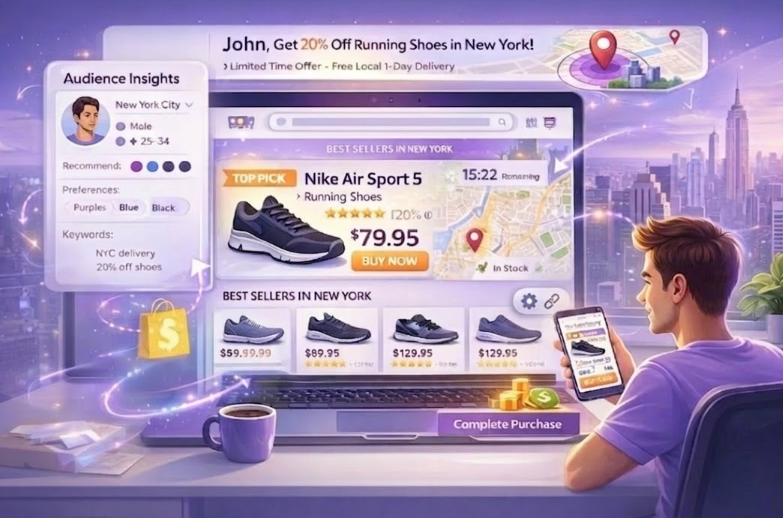



Complete Guide to How To Move Up On Google Search
Getting your Shopify store to rank higher on Google search results is crucial for driving organic traffic and increasing revenue. With the right SEO strategies and techniques, you can enhance your store’s visibility, attract qualified leads, and ultimately boost conversions. At BrandThat, we understand the challenges ecommerce brands face in standing out amidst the digital noise. That’s why we’ve crafted a comprehensive guide to help you move up on Google search and maximize the potential of your Shopify ecommerce store.
ECommerce SEO
Achieving success in ecommerce requires a solid knowing of SEO best practices. When it comes to Shopify stores, optimizing your website for search engines is paramount. Here are some essential strategies to consider:
– Implementing a robust SEO strategy tailored to the ecommerce industry
– Optimizing product pages with relevant keywords and meta tags
– Improving site speed and mobile responsiveness for better user experience
– Leveraging structured data to enhance search engine visibility
– Building high-quality backlinks to establish domain authority
SEO Audit
Conducting a comprehensive SEO audit of your Shopify store is crucial for identifying areas that need improvement. This involves:
– Reviewing website structure, content, and technical elements
– Analyzing keyword rankings and organic traffic performance
– Identifying and fixing any technical SEO issues
– Assessing user experience and site accessibility
– Benchmarking against competitors to identify opportunities for growth
Keyword Research
Effective keyword research is the cornerstone of any successful SEO strategy. For ecommerce brands using Shopify, it’s essential to:
– Identify high-converting and relevant keywords for product pages
– Explore long-tail keywords and search queries with commercial intent
– Utilize keyword research tools to uncover valuable insights
– Optimize content with targeted keywords to improve search visibility
– Monitor and adapt keyword strategies based on performance data
Local SEO
For ecommerce brands targeting local markets, optimizing for local SEO is critical. This involves:
– Claiming and optimizing Google My Business listing for local visibility
– Leveraging location-based keywords for product and category pages
– Ensuring P consistency across online directories and listings
– Encouraging customer reviews and testimonials for social proof
– Incorporating local schema markup to enhance local search presence
Organic Growth
Fostering organic growth for your Shopify store involves a multifaceted approach, including:
– Creating valuable and engaging content to attract and retain customers
– Leveraging social media and content marketing for brand awareness
– Developing a holistic link-building strategy to improve domain authority
– Monitoring and analyzing website performance to identify growth opportunities
– Adhering to ethical and sustainable SEO practices for long-term success
Contextual Placement
Strategic contextual placement of keywords and content plays a pivotal role in driving SEO success. Focus on:
– Incorporating targeted keywords naturally within product descriptions and metadata
– Creating informational and educational content to address user queries
– Utilizing internal linking to establish content hierarchy and improve navigation
– Aligning content with user intent and search relevance for higher engagement
– Optimizing images and multimedia elements for better contextual relevance
Content Creation
Compelling and valuable content is the cornerstone of a successful SEO strategy. Consider:
– Developing a content calendar aligned with keyword and topic clusters
– Diversifying content formats, including blogs, videos, infographics, and guides
– Incorporating user-generated content and customer testimonials for authenticity
– Prioritizing content that addresses customer pain points and provides solutions
– Optimizing content for featured snippets and rich media to enhance visibility
Citations
Building and managing citations across online directories and platforms is vital for local SEO. Ensure:
– Consistent P (Name, Address, Phone Number) information across all citations
– Claiming and optimizing citations on authoritative industry-specific directories
– Monitoring and updating citations to reflect any changes to business information
– Leveraging customer testimonials and reviews on citation platforms for credibility
– Utilizing structured citations to maximize local search visibility
Brand Reputation
Your brand’s reputation directly impacts its search visibility and customer trust. Focus on:
– Managing and responding to customer reviews and feedback proactively
– Monitoring and addressing any negative sentiment or reputation issues
– Cultivating a strong online brand presence through social media and PR efforts
– Leveraging influencer partnerships and collaborations to enhance brand credibility
– Highlighting customer success stories and testimonials to reinforce brand reputation
To summarize
Elevating your Shopify ecommerce store on Google search requires a holistic approach to SEO, encompassing technical optimization, content strategy, and local targeting. By implementing the right SEO tactics and leveraging the power of Shopify, you can drive sustainable organic growth and unlock new revenue channels for your ecommerce brand.