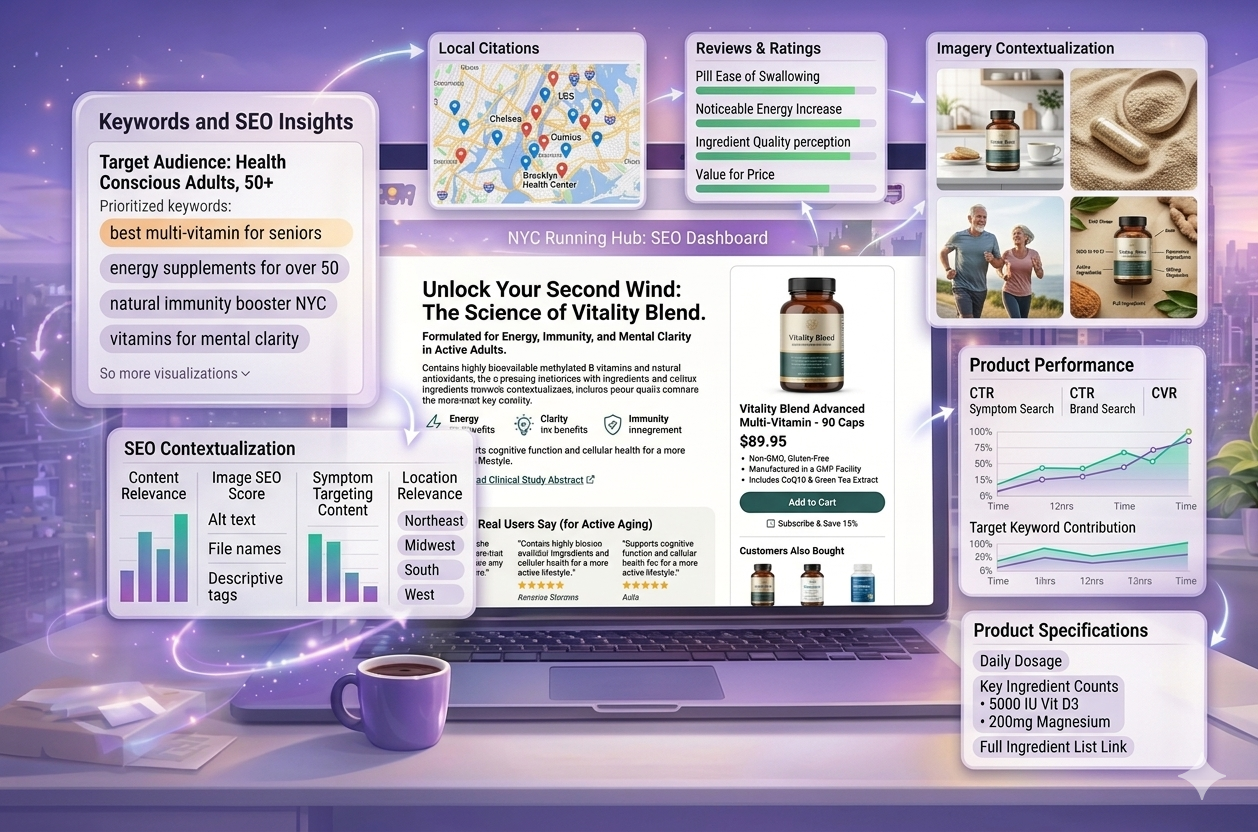



Complete Guide to How To Increase SEO On Google
Enhancing your ecommerce website’s SEO is crucial for gaining a competitive edge in the online marketplace. By optimizing your site for search engines, you can improve your rankings, attract more organic traffic, and increase your chances of converting visitors into customers. Here are some key strategies to consider:
– Implementing relevant keywords throughout your website’s content, including product descriptions, category pages, and blog posts.
– Optimizing your site’s loading speed and ensuring a seamless user experience across all devices.
– Creating unique and valuable content that resonates with your target audience and encourages engagement.
– Utilizing structured data to enhance your website’s visibility in search results and improve click-through rates.
SEO Audit
Conducting a comprehensive SEO audit of your Shopify store is the first step towards identifying areas for improvement and implementing effective SEO strategies. A thorough audit involves evaluating your site’s performance, identifying technical issues, and analyzing your current keyword rankings and backlink profile.
– Use SEO audit tools to identify any technical issues that may be impacting your site’s performance, such as broken links, crawl errors, or duplicate content.
– Assess the effectiveness of your current keyword targeting and identify opportunities for expanding your keyword strategy to capture more relevant search traffic.
– Analyze your backlink profile to identify opportunities for building high-quality, authoritative backlinks to your site, which can significantly impact your SEO performance.
Keyword Research
Conducting in-depth keyword research is essential for identifying the most relevant and high-performing keywords to target within your content and product pages. Effective keyword research involves realizing your target audience’s search intent and identifying valuable keyword opportunities to drive organic traffic to your site.
– Utilize keyword research tools to identify relevant keywords with high search volumes and low competition.
– Consider long-tail keywords that align with your products or services and address specific customer needs or pain points.
– Incorporate location-based keywords to optimize your site for local search and attract nearby customers to your physical store locations.
Local SEO
Optimizing your Shopify store for local SEO is essential for attracting nearby customers and driving foot traffic to your physical store locations. Local SEO strategies can help you improve your visibility in local search results and enhance your brand’s presence within your target geographic locations.
– Claim and optimize your Google My Business listing to ensure accurate business information, customer reviews, and location details.
– Utilize location-specific keywords and create content that caters to the needs and interests of your local customer base.
– Encourage customer reviews and testimonials to build trust and credibility within your local community and improve your local search rankings.
Organic Growth
Focusing on organic growth through effective SEO strategies can yield long-term benefits for your ecommerce brand. By prioritizing organic traffic and cultivating a strong online presence, you can reduce your reliance on paid advertising and build a sustainable revenue channel for your business.
– Develop a content marketing strategy that focuses on creating valuable, informative, and engaging content to attract and retain your target audience.
– Leverage social media channels to amplify your content and engage with your audience, driving organic traffic to your website.
– Implement on-page and off-page SEO best practices to enhance your site’s authority, relevance, and trustworthiness in the eyes of search engines.
Contextual Placement
Strategic contextual placement of keywords and content within your website can significantly impact your SEO performance. By ensuring that your content aligns with search intent and user needs, you can improve your site’s relevance and visibility in search results.
– Incorporate relevant keywords naturally within your content, meta tags, and image alt text to signal the relevance of your pages to search engines.
– Create internal links between related pages on your site to establish a contextual hierarchy and guide search engine crawlers to important content.
– Utilize schema markup to provide search engines with additional context about your content, products, and business information, enhancing your chances of appearing in rich results and featured snippets.
Content Creation
High-quality, relevant, and engaging content is a cornerstone of effective SEO for ecommerce brands. By prioritizing content creation and aligning it with your target audience’s interests and search intent, you can enhance your brand’s online visibility and drive organic traffic to your site.
– Develop a content calendar that aligns with your keyword strategy and addresses your audience’s informational, navigational, and transactional search queries.
– Utilize various content formats, such as blog posts, product guides, videos, and infographics, to cater to different audience preferences and enhance engagement.
– Monitor content performance and iterate based on user feedback, search trends, and evolving industry dynamics to ensure ongoing relevance and effectiveness.
Citations
Citations play a crucial role in local SEO by establishing your business’s presence and authority within your target geographic locations. By ensuring consistent and accurate business information across online directories and platforms, you can enhance your local search visibility and credibility.
– Claim and optimize your business listings on relevant local directories, review sites, and industry-specific platforms to establish a strong citation profile.
– Ensure that your business name, address, and phone number (P) information is consistent across all citations and aligns with your Google My Business listing.
– Encourage customers to leave reviews and testimonials on relevant platforms to build a positive online reputation and strengthen your local SEO efforts.
Brand Reputation
Maintaining a positive brand reputation is essential for fostering trust, credibility, and loyalty among your target audience. By prioritizing brand reputation management and leveraging customer feedback, you can enhance your SEO performance and attract more qualified leads to your Shopify store.
– Monitor and respond to customer reviews, feedback, and inquiries across various online platforms to demonstrate your commitment to customer satisfaction and engagement.
– Implement proactive strategies to encourage positive reviews, testimonials, and user-generated content that showcase your brand in a favorable light.
– Leverage customer feedback and insights to iterate and improve your products, services, and overall customer experience, enhancing your brand’s reputation and organic search visibility.
Optimizing your Shopify ecommerce store for SEO is a multifaceted and ongoing process that requires a strategic approach, continuous monitoring, and adaptation to evolving search trends and algorithms. By implementing the strategies outlined in this guide, you can enhance your brand’s online visibility, attract qualified traffic, and drive more conversions efficiently, leading to increased revenue and sustainable growth for your ecommerce business.