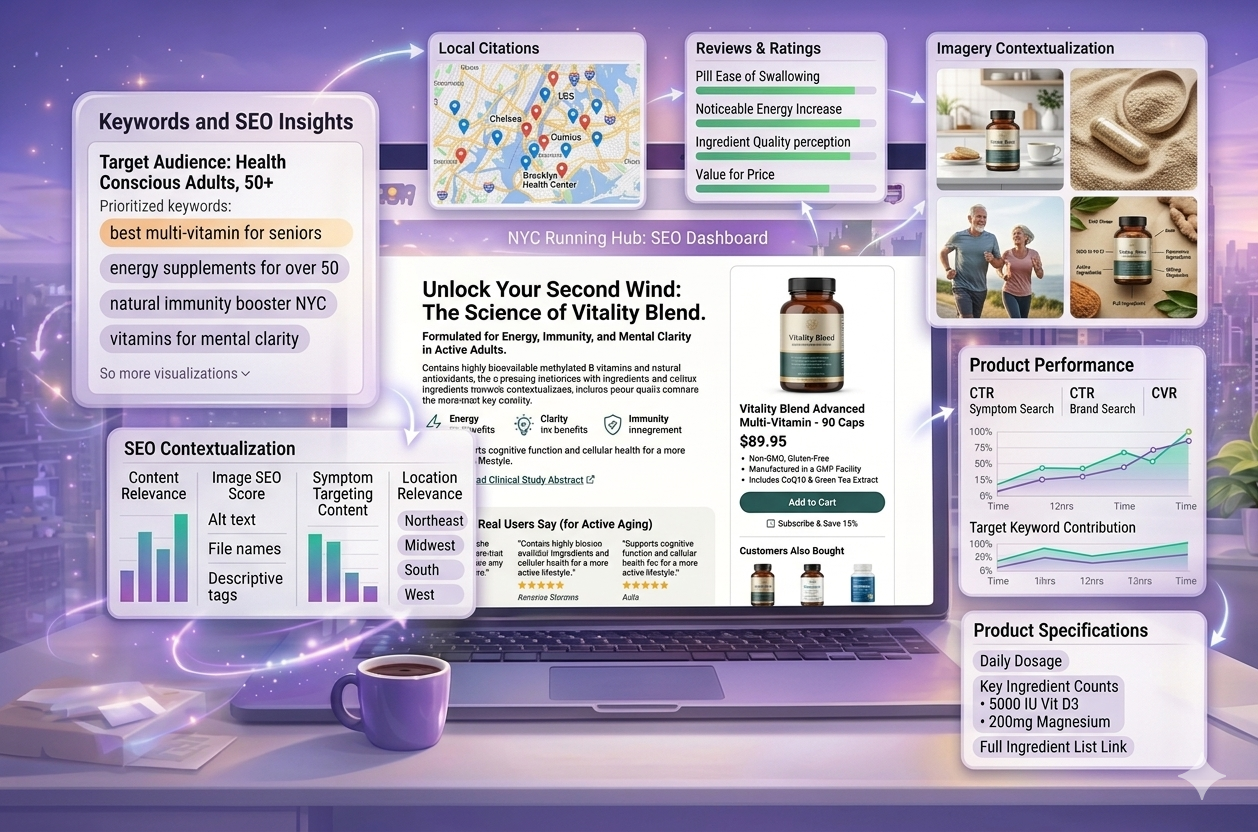



Complete Guide to How Many SEO Keywords Should I Use
When it comes to maximizing your WooCommerce store’s online visibility and driving revenue through organic growth, realizing the optimal number of SEO keywords to use is crucial. By strategically leveraging SEO keywords, ecommerce brands can attract qualified traffic and increase conversions, leading to sustainable growth and profitability. In this comprehensive guide, we’ll delve into the various aspects of ecommerce SEO, keyword strategies, and organic growth, all tailored to help WooCommerce store owners thrive in the competitive digital landscape.
ECommerce SEO
Ecommerce SEO plays a pivotal role in enhancing a WooCommerce store’s online presence and driving targeted traffic. By optimizing product pages, category descriptions, and other elements of the website, brands can improve their search engine rankings and attract potential customers. Effective ecommerce SEO encompasses various facets, including:
– On-page optimization for product pages and category descriptions
– Technical SEO to enhance website performance and user experience
– Mobile optimization to cater to the growing number of mobile shoppers
– Ecommerce-specific keyword research to identify high-value search terms
– Schema markup to provide search engines with detailed product information
SEO Audit
Conducting a comprehensive SEO audit is essential for identifying opportunities to enhance a WooCommerce store’s search visibility and user experience. Through a thorough SEO audit, ecommerce brands can pinpoint technical issues, assess content quality, and uncover areas for improvement. Key aspects of an SEO audit include:
– Website performance analysis, including page speed and mobile-friendliness
– Content assessment to ensure relevance, depth, and alignment with target keywords
– Backlink analysis to evaluate link quality and identify potential opportunities
– Technical analysis to address crawlability, indexation, and site structure
Keyword Research
Keyword research forms the foundation of an effective SEO strategy for ecommerce brands. By identifying and targeting relevant search terms, businesses can align their content with user intent and improve their chances of ranking for valuable keywords. When it comes to WooCommerce, effective keyword research involves:
– Identifying product-specific keywords with commercial intent
– Analyzing long-tail keywords to capture niche market segments
– Leveraging keyword research tools to uncover trending search terms
– Aligning keyword targeting with user intent and the ecommerce sales funnel
Local SEO
For ecommerce brands with physical locations or targeting specific geographic markets, local SEO is instrumental in driving targeted traffic and boosting conversions. By optimizing for local search, WooCommerce store owners can enhance their visibility in relevant local searches and attract nearby customers. Key elements of local SEO for ecommerce include:
– Optimizing Google My Business profiles with accurate business information
– Creating location-specific landing pages to target local search queries
– Obtaining and managing online reviews to build trust and credibility
– Implementing local structured data markup to enhance local search visibility
Organic Growth
Organic growth forms the bedrock of sustainable success for ecommerce brands using WooCommerce. By focusing on content quality, user experience, and strategic SEO, businesses can cultivate a strong online presence and attract a steady stream of qualified traffic. Essential components of organic growth include:
– Creating high-quality, conversion-focused content to engage and inform users
– Implementing structured data markup to enhance search engine visibility
– Embracing user-generated content and social proof to build brand credibility
– Leveraging AI-powered SEO strategies for data-driven insights and optimization
Contextual Placement
Contextual placement of SEO keywords within content is crucial for maximizing their impact and relevance. By seamlessly integrating targeted keywords into product descriptions, blog posts, and other content, ecommerce brands can enhance their search visibility and resonate with their target audience. Effective contextual placement involves:
– Incorporating primary and secondary keywords naturally within content
– Prioritizing user experience and readability while optimizing for search engines
– Utilizing keyword variations and synonyms to cater to diverse search queries
– Balancing keyword density to avoid over-optimization and maintain natural language flow
Content Creation
Compelling and informative content lies at the heart of successful ecommerce SEO strategies. By consistently creating valuable content that resonates with their target audience, WooCommerce store owners can establish authority, attract backlinks, and improve search rankings. Key considerations for content creation include:
– Conducting thorough keyword research to inform content topics and angles
– Crafting engaging product descriptions, blog posts, and guides with SEO in mind
– Embracing multimedia content formats, such as videos and infographics, to enhance user engagement
– Focusing on content freshness, relevance, and depth to cater to search engine algorithms
Citations
For ecommerce brands with physical locations, building and managing citations across online directories and platforms is critical for local search visibility. Consistent and accurate citations can enhance a store’s prominence in local search results and reinforce its legitimacy and relevance. Key aspects of citation building include:
– Ensuring consistent P (Name, Address, Phone) information across all citations
– Claiming and optimizing Google My Business and other relevant local listings
– Building citations on authoritative and relevant industry-specific directories
– Monitoring and managing citations to maintain accuracy and relevance
Brand Reputation
A strong brand reputation is instrumental in fostering trust, attracting customers, and sustaining long-term success for ecommerce brands. By actively managing their online reputation and leveraging customer feedback, WooCommerce store owners can build a positive brand image and differentiate themselves in the competitive ecommerce landscape. Key strategies for enhancing brand reputation include:
– Monitoring and responding to customer reviews and feedback across platforms
– Cultivating a strong social media presence to engage with the audience and showcase brand personality
– Showcasing customer testimonials, case studies, and success stories to build credibility
– Leveraging brand mentions and influencer partnerships to enhance brand visibility
Mastering the art of SEO keyword usage and implementation is pivotal for ecommerce brands using WooCommerce to drive organic growth and boost revenue. By adopting a comprehensive approach to ecommerce SEO, conducting strategic keyword research, and embracing organic growth strategies, businesses can position themselves for long-term success in the competitive digital landscape.