


Complete Guide to How Many Keywords Should You Focus On Per Page
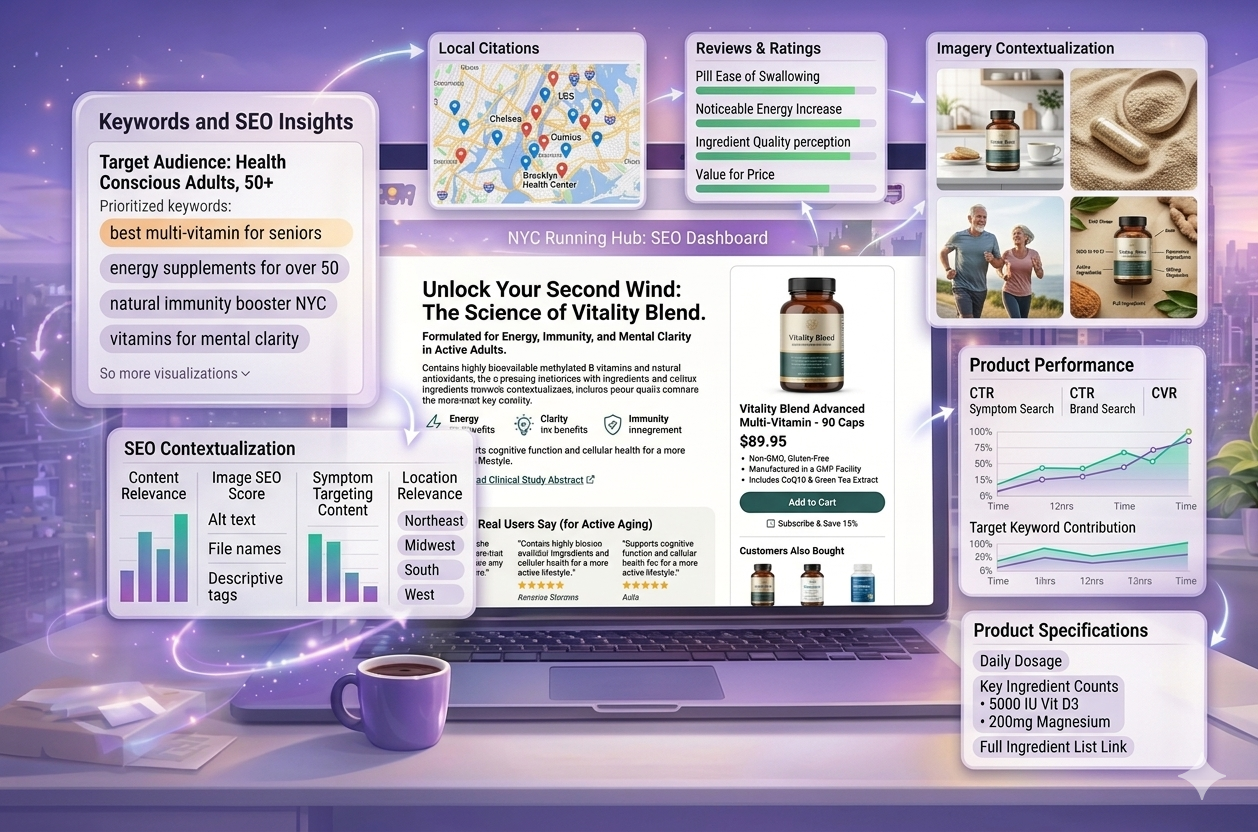
In the competitive world of ecommerce, standing out from the crowd is crucial for success. WooCommerce, a powerful and popular ecommerce platform, offers a range of features to help businesses thrive in the digital marketplace. One key aspect of maximizing the potential of WooCommerce is recognizing how many keywords to focus on per page. This technical introduction will delve into the nuances of ecommerce SEO, keyword research, and organic growth, offering valuable insights for ecommerce brands aiming to boost their revenue through AI-driven strategies.
ECommerce SEO
Ecommerce SEO is the cornerstone of a successful online business. With WooCommerce as the platform of choice, optimizing the website for search engines is essential for driving organic traffic and increasing conversions. By leveraging AI-powered SEO, ecommerce brands can gain a competitive edge by targeting specific keywords that align with their products and services.
– AI-powered SEO tools for WooCommerce
– Implementing on-page optimization strategies
– Leveraging product descriptions and category pages for keyword targeting
SEO Audit
Before diving into keyword optimization, conducting a comprehensive SEO audit is crucial. This involves analyzing the current state of the website, identifying areas for improvement, and laying the groundwork for effective keyword targeting. With WooCommerce, brands can utilize advanced auditing tools to gain insights into their SEO performance and make data-driven decisions.
– Utilizing WooCommerce SEO plugins for auditing
– Assessing site structure, speed, and mobile-friendliness
– Identifying and addressing technical SEO issues
Keyword Research
Keyword research forms the foundation of effective SEO strategies. For ecommerce brands using WooCommerce, recognizing the search behavior of their target audience is paramount. By conducting in-depth keyword research, businesses can uncover valuable insights into the terms and phrases that potential customers are using to find products online.
– Utilizing AI-driven keyword research tools for WooCommerce
– Analyzing search volume, competition, and relevance
– Identifying long-tail keywords and semantic variations
Local SEO
For ecommerce brands with physical storefronts or targeting local markets, local SEO is a game-changer. WooCommerce provides robust features for local SEO optimization, allowing businesses to enhance their visibility in specific geographic locations. By integrating local keywords and implementing location-based strategies, brands can attract local customers and drive foot traffic to their stores.
– Optimizing product pages for local SEO
– Leveraging location-specific keywords and schema markup
– Utilizing Google My Business integration for local visibility
Organic Growth
Achieving sustainable organic growth is the ultimate goal for ecommerce brands. With WooCommerce, brands can harness the power of AI-driven strategies to expand their online presence and reach new audiences. Through targeted keyword optimization and continuous refinement, businesses can experience steady growth in organic traffic and, ultimately, revenue.
– Developing a long-term SEO roadmap for organic growth
– Monitoring and analyzing keyword performance
– Adapting strategies based on search trends and algorithm updates
Contextual Placement
Contextual placement of keywords is vital for SEO success. With WooCommerce, businesses can strategically position keywords within their product descriptions, meta titles, and content to maximize visibility and relevance. By recognizing the context in which keywords are used, brands can enhance the user experience and signal to search engines the intent behind their content.
– Crafting compelling product descriptions with targeted keywords
– Optimizing meta titles and descriptions for contextual relevance
– Balancing keyword density with user-centric content
Content Creation
High-quality content is the linchpin of effective SEO. With WooCommerce, ecommerce brands have the opportunity to create engaging and informative content that resonates with their target audience. By incorporating targeted keywords naturally within blog posts, product guides, and landing pages, businesses can establish authority and drive organic traffic.
– Developing a content strategy aligned with keyword targeting
– Incorporating long-form, informative content for SEO benefits
– Creating engaging multimedia content for enhanced user experience
Citations
Citations play a crucial role in local SEO and brand visibility. For ecommerce brands using WooCommerce, leveraging citations in online directories, local listings, and industry-specific platforms can strengthen their online presence and credibility. By ensuring consistent business information across various platforms, brands can improve their local search rankings and attract potential customers.
– Managing and updating business citations for accuracy
– Leveraging industry-specific directories for targeted citations
– Monitoring and responding to customer reviews for reputation management
Brand Reputation
Building and maintaining a strong brand reputation is essential for ecommerce success. With WooCommerce, businesses can utilize AI-powered tools to monitor their online reputation, gather customer feedback, and address any concerns promptly. By integrating brand reputation management with SEO strategies, ecommerce brands can create a positive online image and foster trust with their audience.
– Implementing review management and feedback collection tools
– Leveraging customer testimonials and user-generated content for SEO benefits
– Addressing negative feedback and proactively managing brand reputation
WooCommerce offers a wealth of opportunities for ecommerce brands to enhance their online presence and drive revenue through strategic keyword optimization. By leveraging AI-powered SEO, conducting thorough keyword research, and focusing on organic growth, businesses can position themselves for sustainable success in the digital marketplace.