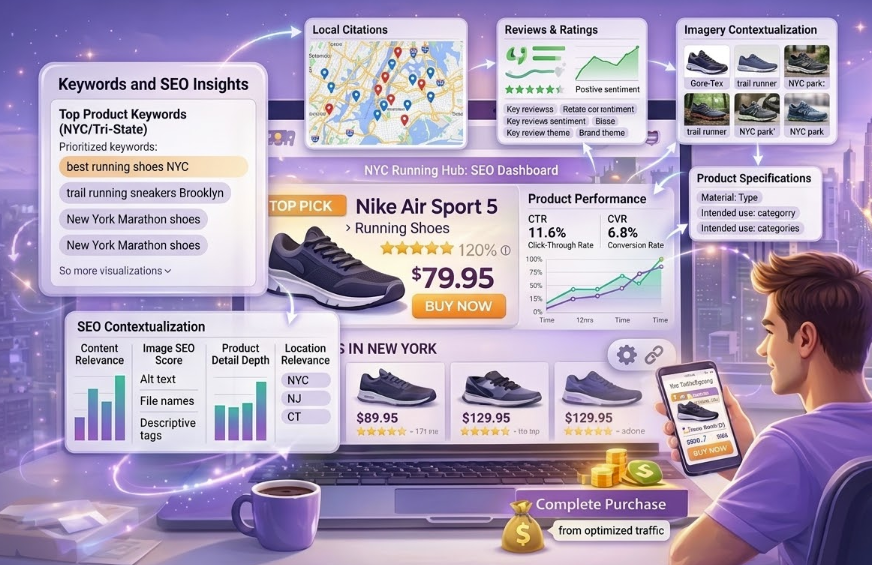



Complete Guide to How Long Does SEO Take To See Results
In the competitive landscape of ecommerce, achieving sustainable and impactful results through search engine optimization (SEO) is an essential component of success. For WooCommerce-powered online stores, recognizing the timeline for SEO results is crucial for planning and resource allocation. This comprehensive guide delves into the nuances of SEO for ecommerce, elucidating the various stages and timelines involved in reaping the benefits of a robust SEO strategy. Whether you’re a seasoned ecommerce brand or a budding entrepreneur exploring the potential of WooCommerce, this in-depth exploration of SEO timelines will equip you with valuable insights to optimize your online presence and drive revenue growth.
ECommerce SEO
Implementing a strategic SEO approach tailored to ecommerce platforms such as WooCommerce is instrumental in enhancing online visibility, attracting relevant traffic, and ultimately securing conversions. With a focus on the unique needs and dynamics of ecommerce, SEO initiatives for WooCommerce encompass a wide spectrum of activities, each contributing to the overarching goal of achieving sustainable search engine rankings and increased organic traffic.
– SEO Audit: Conducting a comprehensive SEO audit for your WooCommerce store is the foundational step in gauging the current state of your website’s SEO performance and identifying areas for improvement. From technical aspects such as site structure and crawlability to content quality and keyword optimization, an SEO audit forms the bedrock of an effective SEO strategy for ecommerce brands.
– Keyword Research: In the realm of ecommerce, strategic keyword research holds the key to unlocking visibility and driving targeted traffic. Delving into the intricacies of user intent, search volume, and competitive landscape, ecommerce-focused keyword research empowers brands to align their content and product offerings with the evolving needs and preferences of their target audience.
– Local SEO: For ecommerce brands with a physical footprint or targeting geographically specific markets, local SEO presents an invaluable opportunity to enhance visibility and drive foot traffic to brick-and-mortar locations. Optimizing for local search queries, leveraging Google My Business, and fostering a robust local online presence are pivotal in capitalizing on the potential of local SEO for WooCommerce stores.
– Organic Growth: The journey towards sustainable SEO results for ecommerce brands is underpinned by a steadfast commitment to organic growth. Cultivating a diverse backlink profile, fostering user engagement through compelling content, and staying abreast of algorithmic updates are central to nurturing organic growth and solidifying search engine rankings over time.
– Contextual Placement: The art of contextual placement in ecommerce SEO revolves around seamlessly integrating targeted keywords and product information within the fabric of your website’s content and structure. By aligning content with user intent and search relevance, ecommerce brands can fortify their SEO endeavors and forge meaningful connections with their audience.
– Content Creation: From product descriptions and category pages to blog posts and guides, content creation plays a pivotal role in amplifying the impact of SEO for WooCommerce stores. Crafting high-quality, informative, and engaging content tailored to the needs of your target audience serves as a linchpin in driving organic traffic and establishing thought leadership within your niche.
– Citations: Ecommerce brands seeking to bolster their local SEO presence and credibility can harness the power of citations – mentions of your business information across online directories, review platforms, and local listings. Consistent and accurate citations not only contribute to enhanced visibility but also instill trust and credibility among potential customers.
– Brand Reputation: An often underestimated yet critical aspect of ecommerce SEO is the cultivation of a strong and reputable brand image. Proactively managing customer reviews, addressing feedback, and nurturing a positive brand narrative across digital touchpoints are integral in shaping brand reputation and augmenting the efficacy of SEO efforts.
Acknowledging the various facets of ecommerce SEO and the intricate interplay of these elements is paramount in charting a realistic timeline for observing tangible results.
How Long Does SEO Take to See Results
As ecommerce brands navigating the dynamic realm of SEO, it’s imperative to set realistic expectations regarding the timeline for witnessing substantial results. While the precise duration for SEO outcomes varies based on factors such as competition, industry dynamics, and the efficacy of your SEO strategy, the following timelines offer a general overview of what to anticipate:
– Initial Optimization Efforts: Upon implementing foundational SEO techniques, ecommerce brands can expect to observe incremental improvements in their search engine rankings and organic traffic within the first 3 to 6 months. This phase typically encompasses activities such as on-page optimization, technical enhancements, and content refinements.
– Mid-term Progress: Moving into the 6 to 12-month timeframe, ecommerce brands can anticipate a more pronounced impact on their organic visibility and keyword rankings, especially for long-tail and mid-tail keywords. As the SEO strategy gains traction and the website’s authority grows, the cumulative effect of ongoing optimizations begins to manifest in the form of enhanced search engine performance.
– Long-term Sustainability: Beyond the 12-month mark, ecommerce brands poised for sustained SEO success can witness substantial gains in organic traffic, keyword rankings, and overall online visibility. By consistently refining their SEO approach, cultivating high-quality content, and engaging in strategic link-building activities, ecommerce stores can solidify their positions in search engine results pages and capitalize on the enduring benefits of a robust SEO strategy.
It’s important to note that while these timelines offer a broad framework for SEO results, the actual trajectory and pace of progress are contingent on a multitude of variables specific to each ecommerce brand. By adhering to best practices, leveraging data-driven insights, and adapting to evolving search algorithms, ecommerce brands can effectively expedite the realization of SEO outcomes and fortify their online presence.
In the end
Mastering the art of SEO for WooCommerce ecommerce brands engenders a transformative impact on their digital footprint, brand visibility, and revenue potential. By harnessing the power of AI-driven insights, localized targeting capabilities, and audience-centric strategies, ecommerce brands can navigate the complexities of SEO with precision and efficacy. As the digital landscape continues to evolve, a proactive and informed approach to SEO is indispensable in unlocking sustainable growth and fostering a competitive edge in the ecommerce arena.