


Complete Guide to How Long Does SEO Take
In the ever-competitive world of ecommerce, achieving top rankings on search engine results pages (SERPs) is crucial for driving organic traffic and increasing revenue. As an ecommerce brand using Shopify, realizing the timeline for search engine optimization (SEO) success is essential. This article will delve into the various aspects of SEO and provide valuable insights into the timeframes involved, equipping you with the knowledge to make informed decisions for your brand’s online growth strategy.
ECommerce SEO
When it comes to ecommerce SEO, the goal is to optimize your online store so that it ranks higher in search engine results, leading to increased visibility and ultimately, more sales. This process involves various tactics and strategies aimed at improving your website’s performance in organic search results. With a focus on ecommerce, the SEO efforts are tailored to drive traffic and conversions for online stores, making it a vital component of your digital marketing strategy.
SEO Audit
Before embarking on any SEO initiative, conducting a thorough audit of your website is imperative. An SEO audit involves assessing the technical, on-page, and off-page elements that impact your site’s performance in search results. From identifying issues with site structure and loading speed to evaluating content quality and backlink profiles, an SEO audit provides a comprehensive realizing of your website’s current status and areas for improvement.
Keyword Research
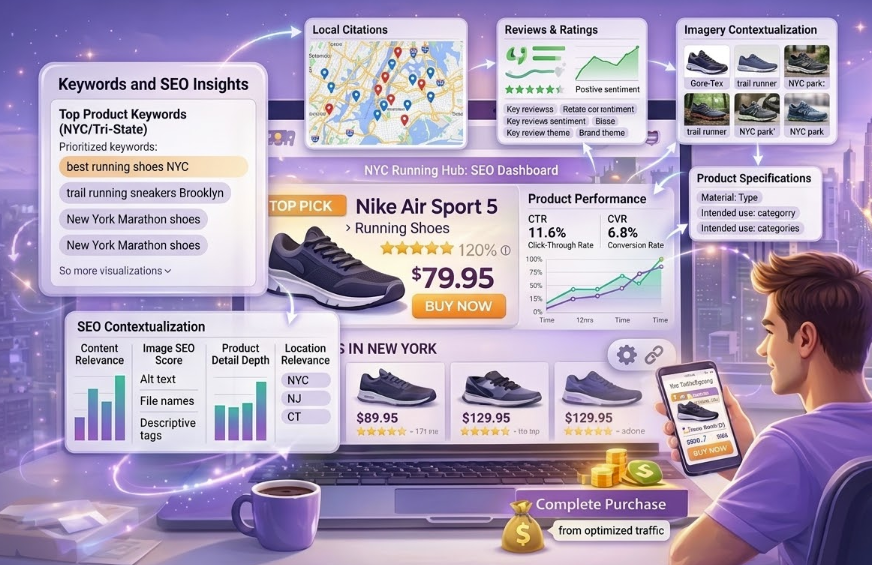
One of the foundational pillars of effective SEO for ecommerce brands is keyword research. This process involves identifying the terms and phrases that potential customers are using to search for products or services similar to yours. By realizing the search intent behind these keywords, you can optimize your product pages, category descriptions, and blog content to align with what your target audience is looking for, thereby increasing your chances of ranking higher in search results.
Local SEO
For ecommerce brands with physical locations or those targeting specific geographic regions, local SEO is a crucial aspect of the optimization process. Local SEO strategies focus on improving visibility in local search results, including Google Maps and local listings. This involves optimizing your Google My Business profile, obtaining local citations, and ensuring consistent P (Name, Address, Phone Number) information across the web. Local SEO efforts typically take time to yield results but can significantly impact the visibility of your ecommerce brand in local searches.
Organic Growth
Achieving sustainable organic growth through SEO for your Shopify ecommerce store is a long-term endeavor. It involves consistently publishing high-quality content, earning relevant backlinks, and adapting to search engine algorithm updates. While the timeline for organic growth can vary depending on factors such as competition, industry, and website history, the focus on long-term success is paramount in driving continuous, meaningful traffic to your ecommerce site.
Contextual Placement
Contextual placement of keywords and content within your ecommerce website is crucial for improving relevance and authority in the eyes of search engines. This involves strategically incorporating targeted keywords into product descriptions, blog posts, and meta tags, allowing search engines to better understand the context and relevance of your content. Over time, this contextual placement contributes to improved rankings and increased organic traffic.
Content Creation
Creating compelling and informative content is a cornerstone of successful ecommerce SEO. From product descriptions to blog articles, each piece of content presents an opportunity to connect with potential customers and demonstrate expertise in your industry. Content creation for SEO involves not only addressing search intent but also providing valuable insights and solutions that resonate with your target audience. As search engines reward websites with authoritative and relevant content, a consistent and strategic approach to content creation is essential for SEO success.
Citations
Earning citations from authoritative and relevant sources is an important aspect of strengthening your ecommerce brand’s online presence. Citations, which consist of mentions of your business name, address, and phone number across the web, contribute to building trust and credibility with both search engines and potential customers. While the impact of citations on SEO can take time to materialize, their role in establishing the legitimacy and prominence of your brand cannot be understated.
Brand Reputation
In the realm of ecommerce SEO, cultivating a strong brand reputation is integral to long-term success. Positive reviews, social proof, and brand mentions across the web contribute to building trust and authority, factors that search engines consider when evaluating the credibility of a website. Establishing and maintaining a reputable brand image takes time and concerted effort, but the impact it has on SEO, customer trust, and ultimately, conversions, makes it a worthwhile pursuit.
How Long Does SEO Take:
1. SEO is a continuous process that requires ongoing efforts to achieve and maintain results.
2. On-page optimizations and technical fixes can yield initial improvements within a few months.
3. Comprehensive keyword research and content optimization may take 6-12 months to show substantial impact on rankings.
4. Building a robust backlink profile and earning citations can take 6-18 months to significantly influence organic traffic.
5. Sustainable organic growth and brand reputation development are long-term endeavors, often taking 1-2 years to yield substantial results.
As an ecommerce brand leveraging Shopify, realizing the timeline for SEO success is crucial for devising a comprehensive digital marketing strategy. While the timeline for SEO results may vary based on specific circumstances, the long-term benefits of investing in SEO for your ecommerce store are undeniable. By prioritizing key aspects such as keyword research, content creation, and brand reputation, you can position your brand for sustained organic growth and increased revenue potential.