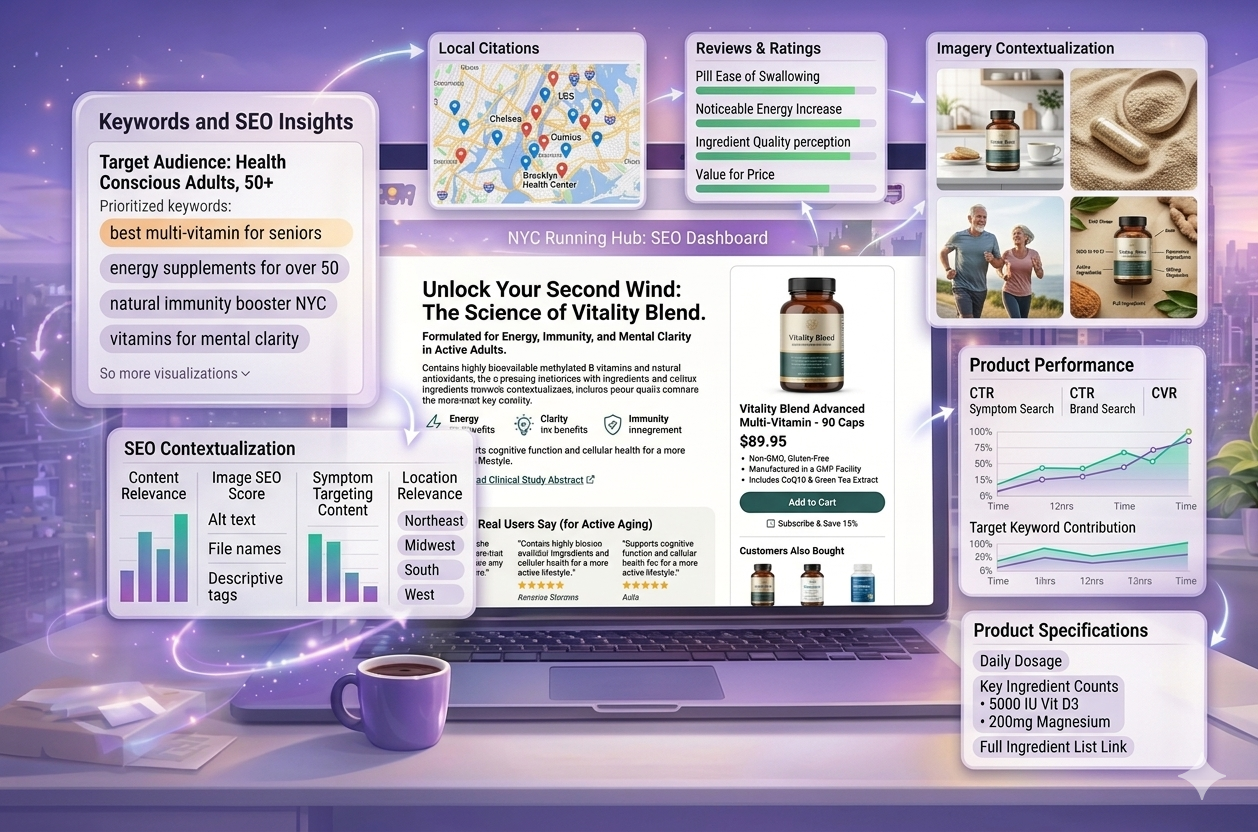



Complete Guide to How Long Do SEO Changes Take
It’s essential for online businesses to implement robust SEO strategies to increase their visibility and drive more organic traffic. For ecommerce brands using WooCommerce, recognizing the timeline for SEO changes is crucial to achieving sustainable growth and maximizing the potential of their online store. In this comprehensive guide, we’ll delve into the various aspects of SEO for ecommerce brands, focusing on WooCommerce, and explore the timeline for SEO changes to take effect.
ECommerce SEO
When it comes to ecommerce SEO, the goal is to optimize online stores to rank higher in search engine results pages (SERPs) and attract relevant traffic. For WooCommerce brands, implementing SEO best practices is a fundamental step towards achieving sustainable growth and increasing revenue. Here are some key considerations related to ecommerce SEO and the timeline for SEO changes to take effect:
– Conducting a comprehensive SEO audit to identify existing issues and opportunities for improvement.
– Performing thorough keyword research to target high-value, relevant search terms.
– Implementing on-page optimizations, including meta tags, product descriptions, and internal linking.
– Enhancing site speed, mobile responsiveness, and user experience to improve overall performance.
– Building high-quality backlinks from authoritative websites to boost domain authority and credibility.
SEO Audit
Before delving into SEO changes, conducting a thorough SEO audit is essential for ecommerce brands using WooCommerce. An SEO audit helps identify technical issues, content gaps, and opportunities for improvement. The timeline for implementing changes based on the audit findings can vary depending on the scope and complexity of the issues uncovered.
– Technical SEO issues such as crawl errors, indexing issues, and site structure improvements may require immediate attention and can show relatively quick results once addressed.
– Content-related issues, such as duplicate content, thin product descriptions, or outdated information, may take longer to rectify but can have a significant impact on organic visibility over time.
– Off-page factors, including backlink profiles and brand mentions, may require ongoing efforts to refine and build authority in the long term.
Keyword Research
Effective keyword research is the foundation of successful ecommerce SEO. Understanding the search intent behind user queries and targeting the right keywords is crucial for driving qualified traffic to WooCommerce stores. Here’s a look at the timeline for SEO changes related to keyword research:
– Identifying high-value keywords with commercial intent and search volume relevant to the ecommerce brand’s products or services.
– Incorporating target keywords strategically into product pages, category pages, and content to improve visibility for relevant search queries.
– Monitoring keyword performance and making adjustments to the SEO strategy based on data-driven insights and evolving search trends.
Local SEO
For ecommerce brands with physical locations or those targeting specific geographic markets, local SEO plays a pivotal role in driving foot traffic and online conversions. When it comes to local SEO changes and their timeline for implementation, considerations include:
– Optimizing Google My Business listings with accurate business information, compelling descriptions, and high-quality images.
– Acquiring and managing customer reviews to build trust and credibility within local communities.
– Implementing local-focused content and targeting location-specific keywords to improve visibility in local search results.
Organic Growth
Achieving sustainable organic growth for WooCommerce ecommerce brands involves a continuous effort to refine SEO strategies, produce valuable content, and adapt to evolving search algorithms. The timeline for organic growth through SEO changes is an ongoing process that requires consistent attention and adaptation to market dynamics.
– Creating and publishing high-quality, relevant content that addresses customer needs and industry trends.
– Monitoring and analyzing organic traffic, keyword rankings, and user engagement metrics to measure the impact of SEO changes over time.
– Staying informed about algorithm updates, industry best practices, and emerging trends to refine the SEO strategy continuously.
Contextual Placement
Contextual placement of keywords, internal links, and relevant content within the ecommerce website is crucial for enhancing the overall SEO performance. Understanding the timeline for contextual placement changes and their impact on organic visibility is essential for ecommerce brands using WooCommerce.
– Strategically placing target keywords within title tags, headings, and body content to signal relevance to search engines.
– Incorporating internal links to connect related product pages, category pages, and informational content for a seamless user experience.
– Optimizing images with descriptive filenames, alt text, and captions to improve accessibility and relevance.
Content Creation
Compelling and informative content is a cornerstone of successful ecommerce SEO, driving engagement, building authority, and attracting organic traffic. The timeline for content creation and its impact on SEO changes involves strategic planning, execution, and ongoing optimization.
– Developing a content calendar aligned with keyword research, seasonal trends, and customer interests to guide content creation efforts.
– Publishing a mix of product-focused content, informational resources, and engaging visuals to cater to various stages of the customer journey.
– Iterating and updating existing content based on performance data, user feedback, and evolving search intent to maintain relevance and authority.
Citations
For local businesses and ecommerce brands with physical locations, citations play a crucial role in local SEO and establishing credibility within the community. The timeline for citations and their impact on SEO changes involves managing and maintaining consistent business information across various online platforms and directories.
– Ensuring accurate and up-to-date business information on platforms such as Yelp, Yellow Pages, and industry-specific directories.
– Monitoring and responding to customer reviews, questions, and inquiries on citation platforms to build trust and foster engagement.
– Leveraging local events, sponsorships, and partnerships to earn relevant citations and mentions that contribute to local SEO efforts.
Brand Reputation
Building a strong brand reputation online is integral to gaining trust, credibility, and visibility in the competitive ecommerce landscape. The timeline for enhancing brand reputation through SEO changes involves proactive reputation management, customer engagement, and strategic communication.
– Monitoring online mentions, reviews, and social media conversations to address customer feedback and manage brand sentiment effectively.
– Leveraging positive customer experiences and user-generated content to amplify brand visibility and advocacy.
– Implementing structured data markup, schema markup, and rich snippets to enhance search results and showcase brand authority.
Recognizing the timeline for SEO changes and their impact on organic growth is essential for ecommerce brands using WooCommerce to maximize their online visibility and revenue potential. By focusing on ecommerce SEO, conducting thorough audits, targeting relevant keywords, and leveraging local and organic growth strategies, ecommerce brands can position themselves for sustained success in the digital marketplace.